Slipped disc and disc herniation
★★★★★ Rated 4.98 on Doctify from 56 reviews
Slipped disc treatment in London
A slipped disc, also called a herniated or prolapsed disc, is when the soft centre of one of the cushions between the bones of your spine pushes out through its tougher outer layer. It is painful when it presses on or irritates a nerve, which can send pain, tingling or numbness down a leg or, if the disc is in the neck, down an arm. Most slipped discs get better within one to three months without surgery.
It is worth having it assessed early, so you understand what is happening and what you can safely do while it settles. Our sports medicine doctor, physiotherapists, osteopath and strength and conditioning coach work together, so you get a clear diagnosis and one plan to ease the pain and get you moving again.
Symptoms
Symptoms of a slipped disc
A slipped disc can cause back or neck pain, but the most telling symptoms are often in the leg or arm. Where you feel them tells us which nerve is involved. Common symptoms we see in clinic:
What causes a slipped disc
What a slipped disc is
The discs between the bones of your spine have a tough outer layer and a softer centre. In a slipped disc, some of the soft centre pushes out through the outer layer. Despite the name, nothing has slipped out of place and the spine is not unstable.
Why it hurts down the leg or arm
When the disc material presses on or irritates a nearby nerve, pain travels along that nerve, down the leg as sciatica or down the arm from the neck. Inflammation around the nerve is why a small disc bulge can still be very painful.
About sciatica →Age-related change
Discs naturally become drier and less flexible with age, which makes them more likely to bulge. Disc bulges are also very common on the scans of people with no pain at all, so finding one does not always mean it is the cause.
Lifting, twisting and injury
Lifting something heavy awkwardly, twisting, or a fall or injury can set off a slipped disc, although it is not always clear what caused it.
About back pain →What makes it more likely
Long periods of sitting or standing, physically demanding work, smoking and carrying extra weight all add strain to the discs and make a slipped disc more likely.
Why most get better
The body gradually reabsorbs the disc material over weeks to months. Larger disc bulges often settle more completely than small ones, so an alarming scan report does not mean a poor outlook.
How we assess it
Your first appointment includes a detailed history of your symptoms and how they started, and a full examination of the back and hip, including tests of power, sensation, reflexes and the nerves themselves. This tells us whether the pain is coming from a nerve root or from somewhere else, which affects treatment and recovery time.
If you need a scan, such as an MRI, we can arrange it. We will explain what we find and agree a treatment plan with you.
If you have already had a scan or seen another clinician, please bring the report or letter with you.
We will see you as soon as we can. There is more on what to expect on our first appointment page, and our fees are listed on our fees and insurance page.
How we treat it

Sports medicine
Sports medicine focuses on the prevention, diagnosis, treatment and rehabilitation of injuries or conditions like osteoarthritis related to sports and physical activity.
More on sports medicine
Physiotherapy
Physiotherapy focuses on the restoration of an individual's movement and function when they are impacted by an injury or illness.
More on physiotherapy
Osteopathy
Osteopathy uses hands-on treatment and exercise to ease pain and help the spine and joints move more freely.
More on osteopathy
Strength and conditioning
Strength and conditioning training is a systematic and structured approach to enhancing athletic performance and overall physical fitness.
More on strength and conditioning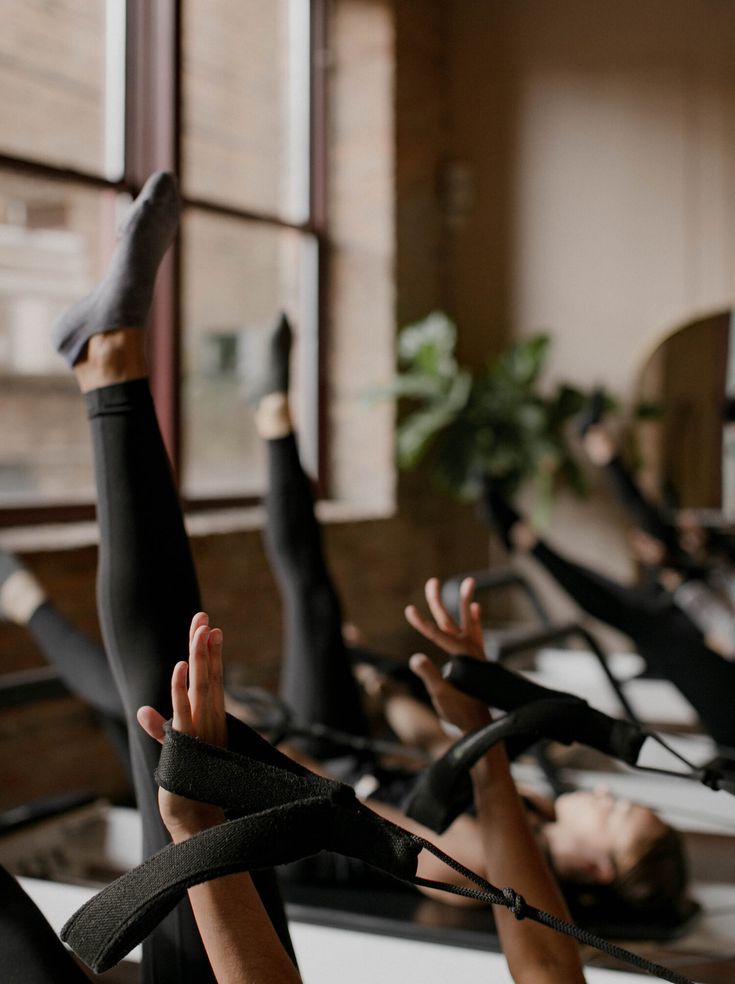
Reformer Pilates
Reformer Pilates enables you to strengthen the body through various ranges of motion to improve mobility without causing injury.
More on Reformer Pilates
Orthopaedics
Our team of orthopaedic partners offer care for a wide range of conditions including knee, hip and ankle to shoulder, elbow, wrist and hand surgery.
More on orthopaedicsWhen to get it looked at
Book an appointment if your symptoms:
- are not improving after a few weeks
- are getting worse or keep coming back
- are stopping you sleeping, working or doing your usual activities
- include weakness in your leg, foot, arm or hand
Go to A&E or call 999 straight away if you have weakness or numbness in both legs that is severe or getting worse, numbness around or under your genitals or bottom, or difficulty starting to pass urine or controlling your bladder or bowels. These can be signs of a rare but serious condition called cauda equina syndrome.
Frequently Asked Questions
Has a disc actually slipped out of place?
No. Nothing has slipped and the spine is not unstable. Some of the soft centre of the disc has pushed out through its outer layer, which sounds far more alarming than it is.
Will it go back in?
Not in the way the phrase suggests, and it does not need to. The body gradually reabsorbs the disc material over weeks to months, and larger bulges often settle more completely than small ones.
Should I rest?
Only for a day or two at most. Staying gently active, within what your symptoms allow, leads to a better recovery than bed rest. Positions that ease the pain are useful for short spells.
What can I do at home?
Keep moving and carry on with your normal activities as much as you can. Gentle walking and changing position regularly, rather than sitting for long periods, often help. A wrapped heat or ice pack may ease the pain. Painkillers such as ibuprofen may help, but check with a pharmacist or your GP first that they are suitable for you.
Do I need an MRI?
Only if the result will change your treatment. Disc bulges show up on the scans of many people with no pain at all, so a scan can add worry without adding useful information. We recommend one if you have significant weakness, if things are not improving as expected, or if an injection or surgery is being considered.
Will I need surgery?
Most people do not. In some people surgery eases leg pain sooner, but after a year results with and without surgery are broadly similar. Weakness that is getting worse changes that, and if surgery might help you we will talk it through and refer you to a spinal surgeon.
Can I exercise with a slipped disc?
Yes, and it helps, guided by what your symptoms allow. Avoiding all movement tends to make you stiffer, weaker and more worried, which slows recovery. We will show you what is safe and build it up with you.
Related articles
Keep it simple? Can simple aerobic exercise assist in the management of lower back pain?
The World Health organisation (WHO) stated that in 2020, 619 million people were affected globally...

Lower Back Pain and Pelvic Floor Dysfunction
Lower back pain (LBP) is the most prevalent musculoskeletal injury, as approximately 80% of the...
Can regenerative medicine help with back pain?
Back pain is a silent problem amongst the general population, with figures suggesting that...
Meet the Specialists

Dr David Porter
MB BS DipESM MScSPORT & EXERCISE MEDICINE DOCTOR

Dr Jonathan Korgaonkar
MBBS MRCP FFSEM Pgcert(US) BSc SPORTS MEDICINE DOCTOR

Dr Kush Joshi
MBBS, BSc, MRCP, FFSEM, PGDipSPORTS MEDICINE DOCTOR
Ian Gilham
BSc (Hons) MCSP PHYSIOTHERAPIST
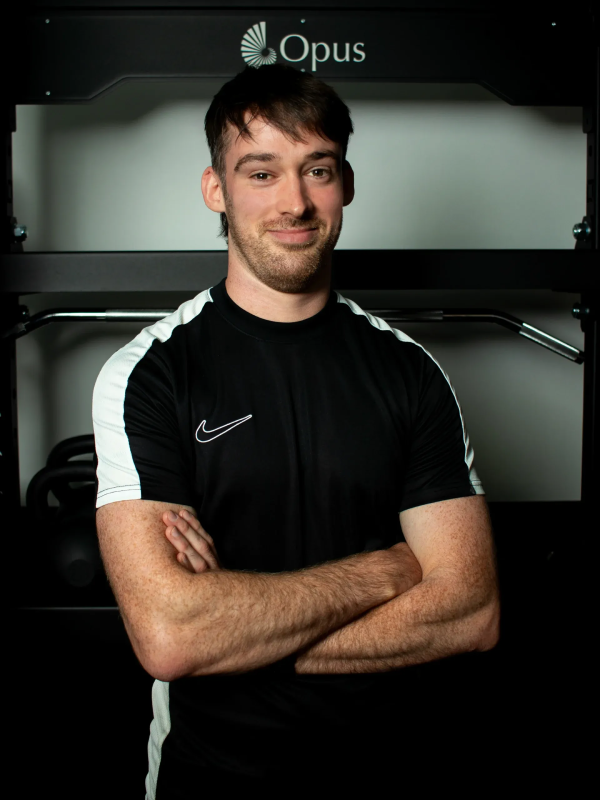
Bart Hudson-Gill
BSc (Hons) CSCSPHYSIOTHERAPIST AND STRENGTH & CONDITIONING COACH
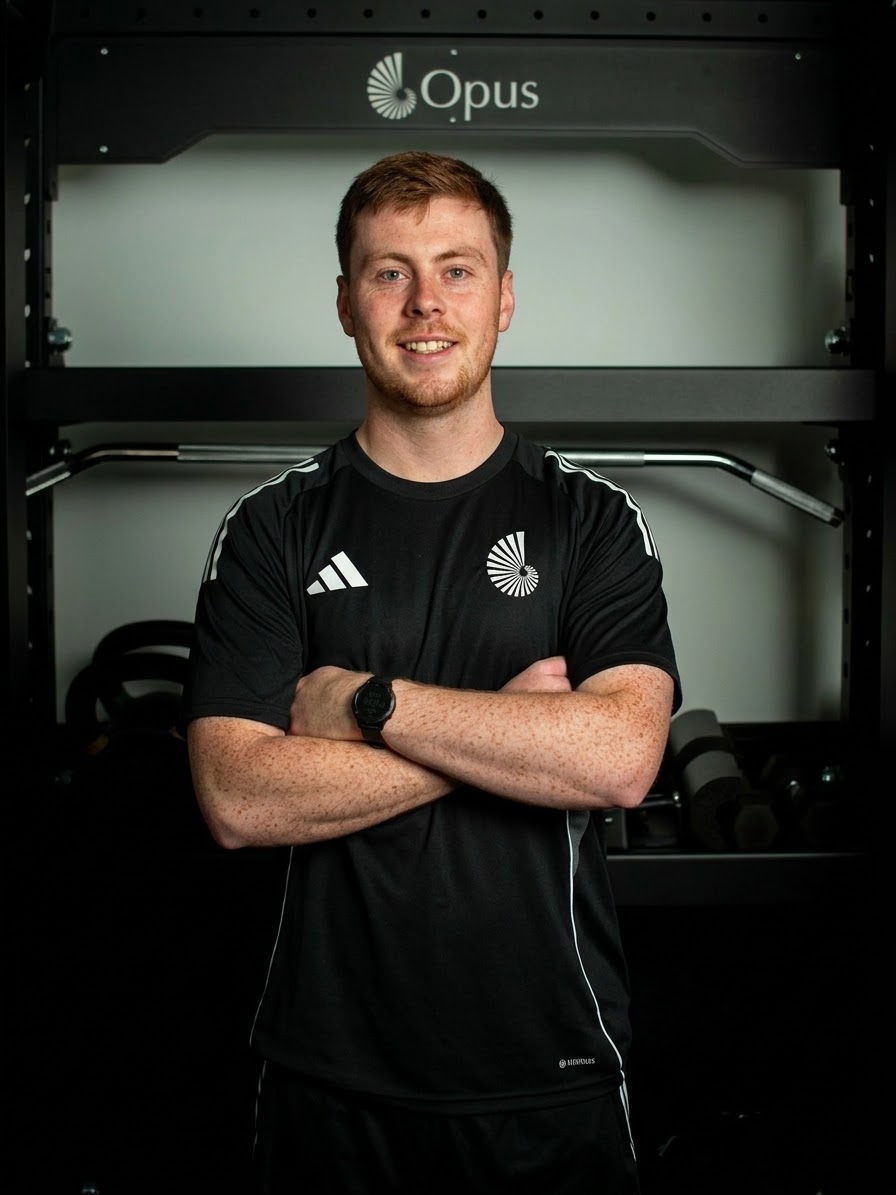
Brian Lynch
BSc (Hons) MCSP PHYSIOTHERAPIST
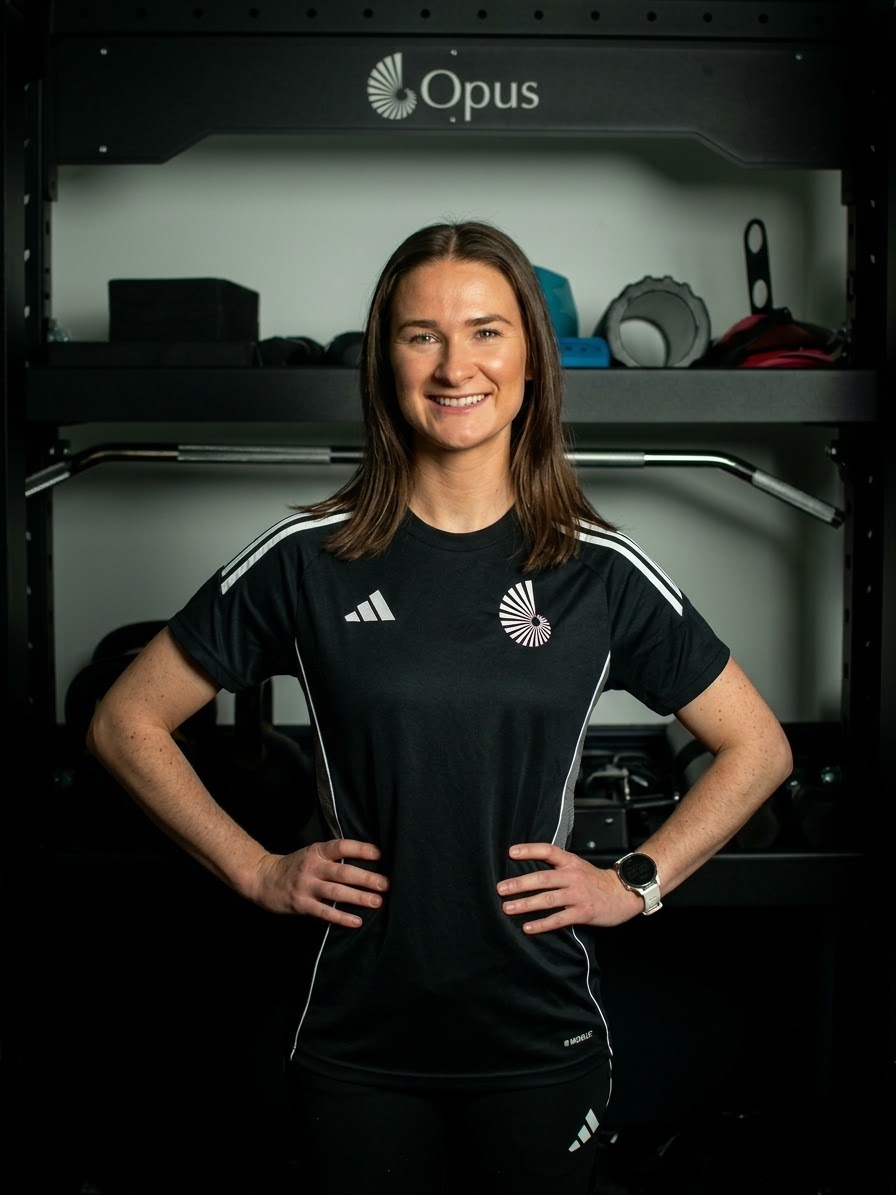
Gráinne Stapleton
BSc (Hons) PHYSIOTHERAPIST