
Knee pain and osteoarthritis
★★★★★ Rated 4.98 on Doctify from 56 reviews
Knee pain and osteoarthritis treatment in London
Knee pain is one of the most common reasons people come to see us. It might be a knee that aches for a couple of days after a run, joint swelling after an injury or gradual changes in function and mobility.
The label matters less than what is actually happening in the joint. Two people with the same scan can have completely different symptoms, and the same knee pain can come from the joint surface, the tendons around it, or from a hip or foot that is not doing its share.

Symptoms
What knee pain feels like
Everyone experiences pain differently. We read your symptoms and any imaging together rather than in isolation, because how a knee behaves day to day often tells us more than the scan does. Common complaints we see in clinic:
Common causes of knee pain
Osteoarthritis
The cartilage covering the ends of the bones thins, and the bone, joint lining and surrounding tissues change in response. Typically stiff in the morning, easing with movement and worse by the evening.
Meniscus and cartilage injuries
The meniscus is the knee’s shock absorber. It can tear during a twist or wear slowly with age. Locking, catching or a knee that will not fully straighten points this way.
About meniscus injuries →Kneecap pain
Pain around or behind the kneecap, often worse going downstairs, after sitting for long periods or running downhill. Common in runners and cyclists, and rarely a sign of damage.
About kneecap pain →Tendon problems
Patellar tendinopathy sits just below the kneecap and is provoked by jumping, sprinting and heavy squatting. Pain on the outside of the knee is more often iliotibial band syndrome.
About patellar tendinopathy →Ligament injuries
Anterior cruciate and medial collateral injuries usually come with a specific moment: a twist, a tackle or a landing. Swelling within hours, or a knee you cannot trust, needs prompt assessment.
About ligament injuries →Pain referred from elsewhere
A knee can hurt because of what the hip or the foot is doing. This is why we examine above and below the joint, and why treating the knee alone can bring the problem back.
How we assess it
Your first appointment includes a detailed history of your symptoms and how they started, and a full examination of the knee, including how it moves and how it behaves under load, such as when you squat or step down. We also look at the hip and ankle, because they affect how the knee moves and how you recover.
If you need an X-ray, a scan such as an MRI, or blood tests, we can arrange them. We will explain what we find and agree a treatment plan with you.
If you have already had a scan or seen another clinician, please bring the report or letter with you.
We will see you as soon as we can. Our fees are listed on our fees and insurance page.
How we treat it
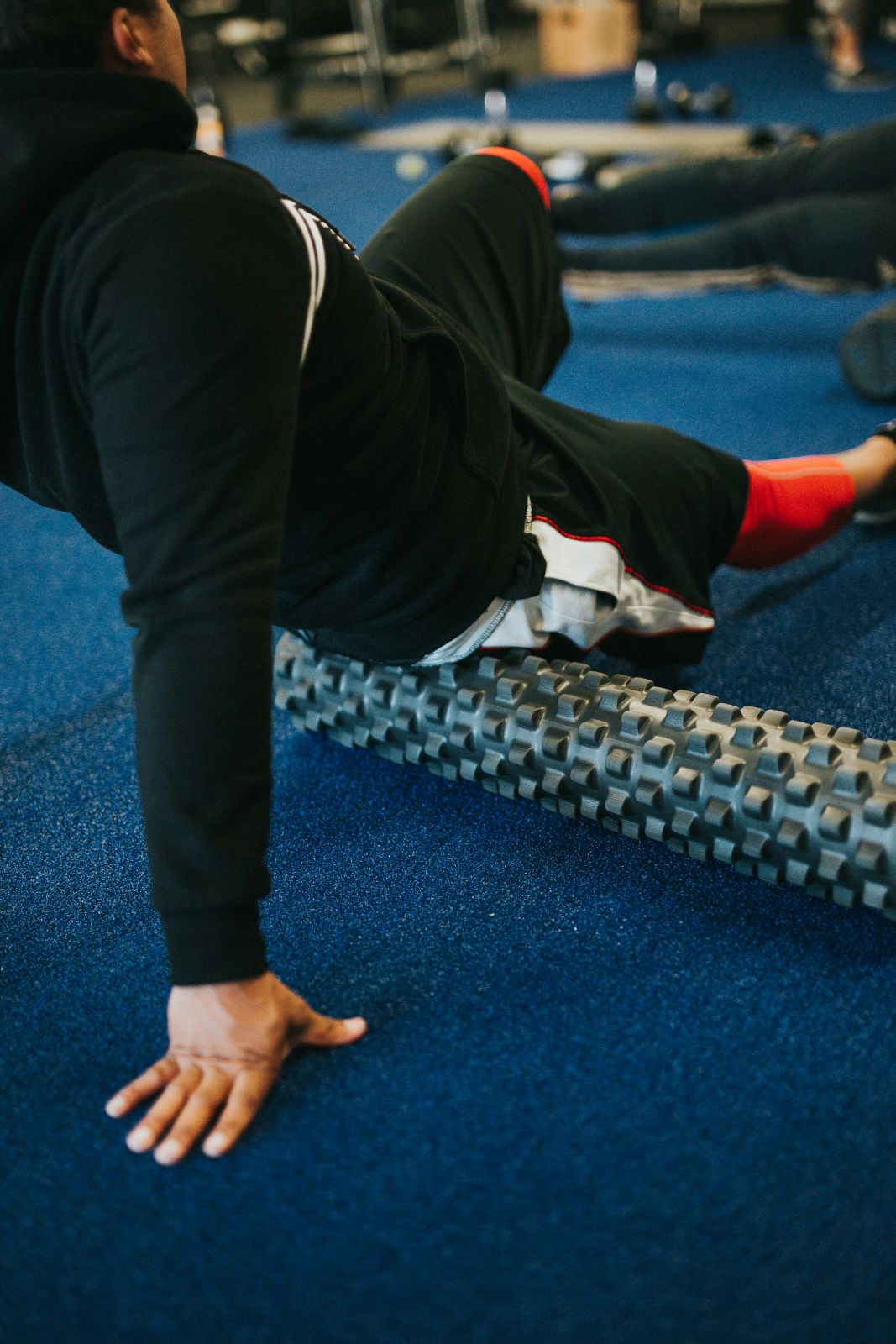
Physiotherapy
Physiotherapy focuses on the restoration of an individual's movement and function when they are impacted by an injury or illness.
More on physiotherapy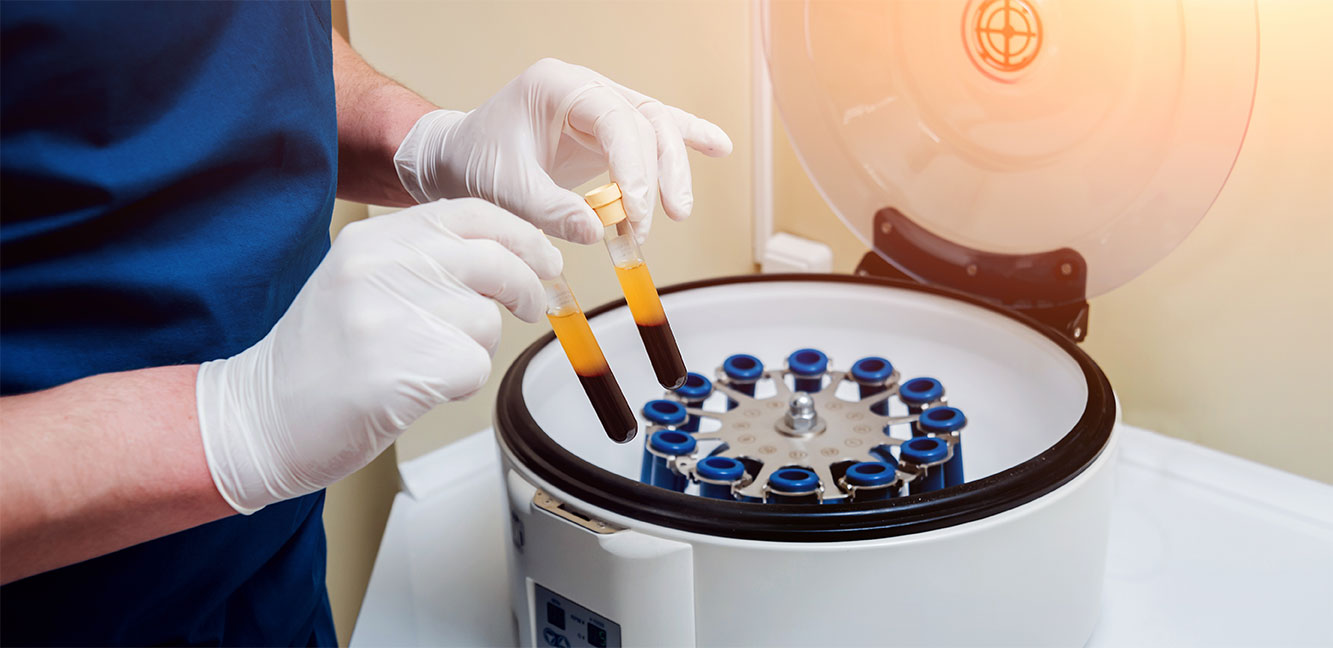
Platelet rich plasma
Platelet rich plasma therapy is a minimally invasive outpatient procedure that uses your own blood to promote healing of injured joints, muscles, tendons and ligaments.
More on platelet rich plasma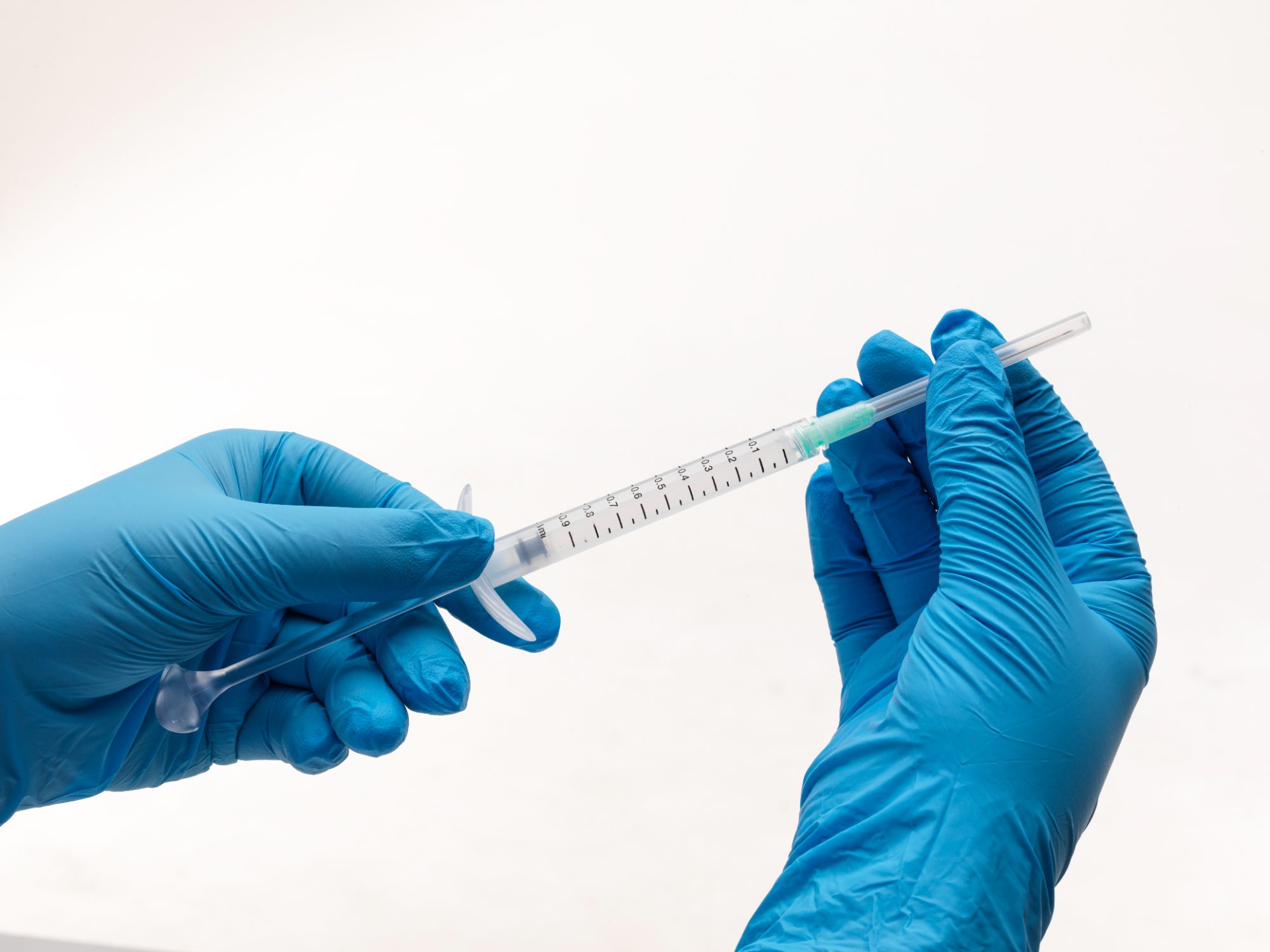
Arthrosamid
Arthrosamid is a hydrogel injection designed to relieve pain and improve function for people living with knee osteoarthritis.
More on Arthrosamid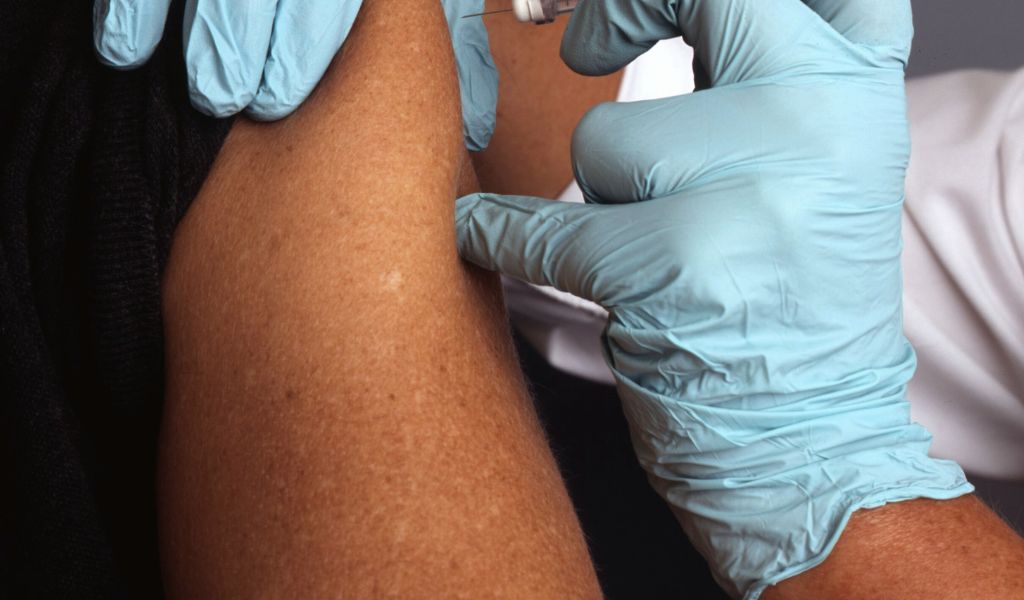
Hyaluronic acid
Hyaluronic acid (HA) injections are a minimally invasive outpatient procedure designed to alleviate pain and improve joint function.
More on hyaluronic acid
Stem cell therapy
An interdisciplinary field in which doctors and scientists work together towards the repair of diseased or damaged tissue using biological and cell based technologies.
More on stem cell therapyInjections carry risks as well as benefits, including soreness at the site, bleeding and, rarely, infection. We go through the risks and the evidence for the specific treatment with you before you decide on anything.
When to get it looked at
Not every sore knee needs an appointment. These are the signs that it is worth having someone examine it properly rather than waiting.
- Swelling that has not settled within a week, or that returns every time you increase activity.
- A knee that gives way, locks, or will not straighten fully.
- Pain that wakes you at night or is present at rest.
- Pain that has quietly changed how much you do, even if it is not severe.
- Any knee that has been painful for more than six weeks without improving.
If you cannot put weight through the leg after an injury, or the knee looks misshapen, that needs urgent assessment rather than a routine appointment.
Frequently Asked Questions
Do I need a scan before I come?
No. If you have any imaging then please bring it with you, and the office can arrange transfer of any scans or results if you do not have a copy.
Is it osteoarthritis, or something else?
Wear in the knee is common after forty and shows up on scans in plenty of people with no pain at all. The question is whether it explains your symptoms, which is a clinical judgement rather than a reading of the image.
What do the injections actually do?
They do different things. Hyaluronic acid supplements the fluid that lubricates the joint. Platelet rich plasma concentrates your own platelets. Arthrosamid is a hydrogel that stays in the joint and cushions it. Each suits a different stage.
Will I end up needing a knee replacement?
Not everyone with knee osteoarthritis does, and the non-surgical options have widened considerably in the last decade. Whether a replacement is right for you depends on your symptoms, what the joint looks like and what you want to get back to. Where it is the right answer we will say so early rather than delay it.
How long does it take to get better?
It depends on the cause. Patellofemoral pain often settles within six to eight weeks of the right loading. Tendon problems usually take twelve weeks or more. Osteoarthritis is managed rather than cured, and the aim is a knee that lets you do what you want to do. We will give you an honest timescale at the assessment rather than an optimistic one.
Should I keep exercising?
Usually yes, in a modified form. Complete rest tends to make knees stiffer and weaker, which makes the next attempt harder. What changes is which movements, how much and how often, and that is what the plan sets out.
Related articles

Regenerative Medicine Explained
The term stem cell therapy often sparks curiosity, and confusion. In the UK, regenerative medicine...
A New Approach to Managing Osteoarthritis: The Role of Stem Cell Therapy and Regenerative Medicine
Understanding Osteoarthritis and Its Impact Osteoarthritis (OA) is one of the most common joint...

The Importance of Criteria-Based ACL Rehabilitation: A Structured Approach
Recovering from an ACL injury can be daunting, but with the right plan, our patients can rebuild...
What our patients say
"Dr Porter quickly got to the root cause of my knee pain and I have a comprehensive road map to recovery. Delighted to have found Opus!"
Meet the Specialists

Dr David Porter
MB BS DipESM MScSPORT & EXERCISE MEDICINE DOCTOR

Dr Jonathan Korgaonkar
MBBS MRCP FFSEM Pgcert(US) BSc SPORTS MEDICINE DOCTOR

Dr Kush Joshi
MBBS, BSc, MRCP, FFSEM, PGDipSPORTS MEDICINE DOCTOR

Ian Gilham
BSc (Hons) MCSP PHYSIOTHERAPIST

Bart Hudson-Gill
BSc (Hons) CSCSPHYSIOTHERAPIST AND STRENGTH & CONDITIONING COACH
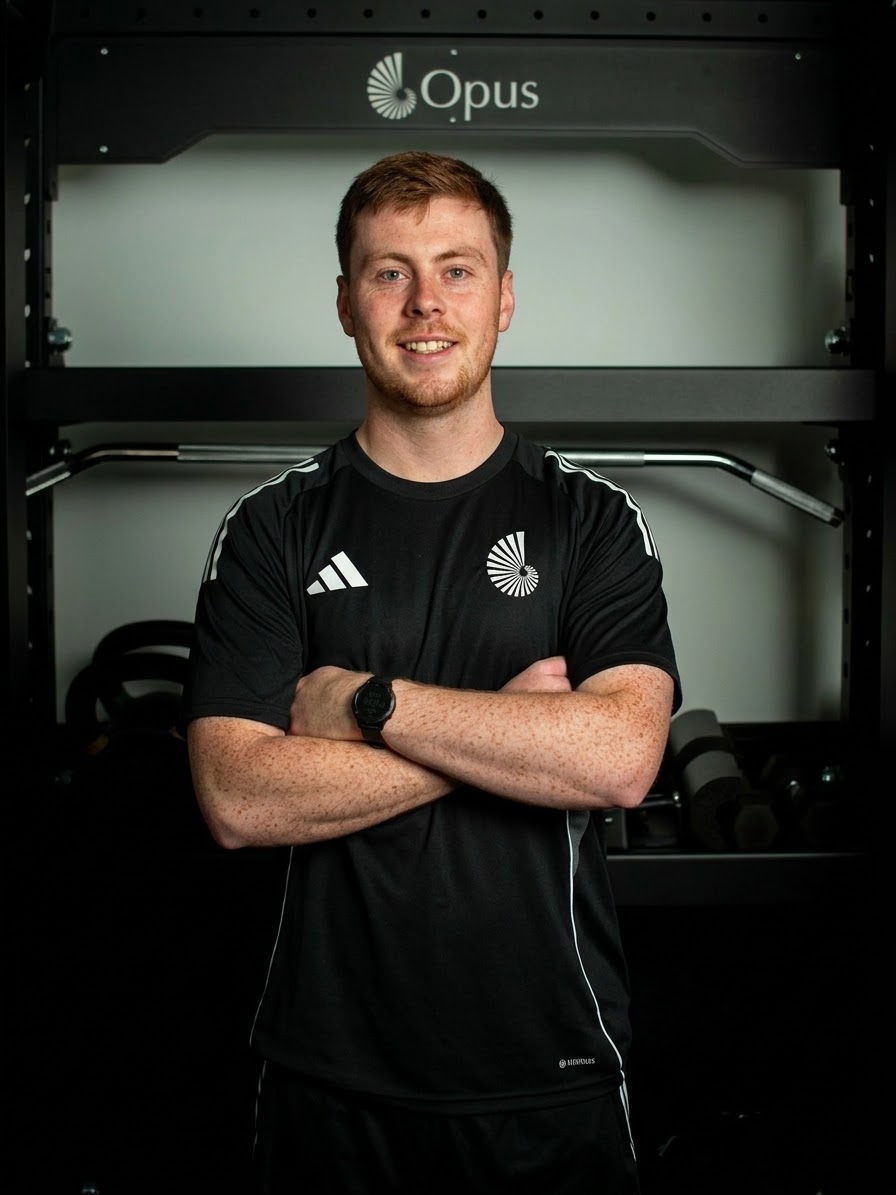
Brian Lynch
BSc (Hons) MCSP PHYSIOTHERAPIST

Gráinne Stapleton
BSc (Hons) PHYSIOTHERAPIST
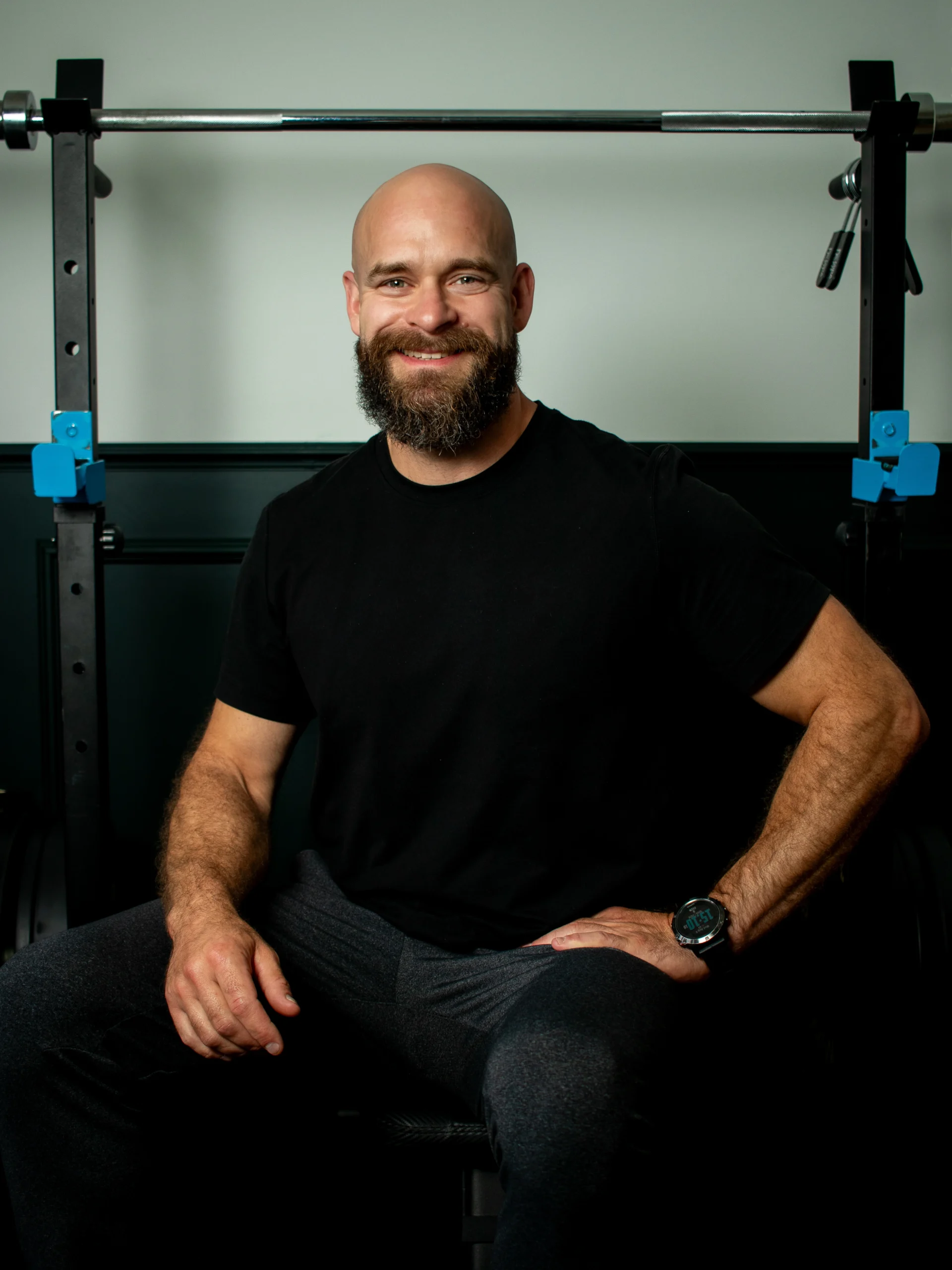
Gavin Eivers
BSc (Hons)STRENGTH & CONDITIONING COACH
Book an appointment
Our specialists are here to help. Book your appointment and take the first step towards better health.