
Patellar tendinopathy
★★★★★ Rated 4.98 on Doctify from 56 reviews
Patellar tendinopathy and jumper’s knee treatment in London
The patellar tendon connects the bottom of the kneecap to the top of the shin bone. Patellar tendinopathy, often called jumper’s knee, is pain in this tendon, usually just below the kneecap.
It is common in sports that involve jumping or quick changes of direction, such as basketball, volleyball and football, and often starts after an increase in training. The pain is usually worse at the start of exercise, can ease as you warm up, and returns afterwards or the next day. Most people improve with a structured programme that gradually builds strength in the tendon, although recovery often takes a few months.

SYMPTOMS
What people usually describe
What causes patellar tendinopathy
Energy storage load
The patellar tendon stores and releases energy every time you jump, land or change direction. Problems cluster around increases in that kind of loading rather than around running volume, which is why it is a basketball, volleyball and football condition more than a distance running one.
What is happening in the tendon
The tissue changes in structure and in how pain is processed locally. Inflammation plays little part, which is why anti-inflammatory approaches disappoint and why loading works.
Capacity above and below
A weak quadriceps, a stiff ankle limiting how the knee bends on landing, and poor hip control all push more work onto the tendon. Treating the tendon alone tends to buy a few weeks.
Why it lingers
Tendons adapt slowly, and the programmes that work run for months rather than weeks. Most chronic cases we see are programmes that were abandoned at six weeks because the pain had eased.
What else to consider
Fat pad irritation, a bone stress injury of the kneecap and, in adolescents, Osgood-Schlatter and Sinding-Larsen-Johansson all produce pain in the same area and are managed differently.
If that does not sound like your knee, the other knee problems we see most often are knee pain, ligament injuries, meniscal injuries, kneecap pain, iliotibial band syndrome and osteoarthritis.
How we assess it
Your first appointment includes a detailed history of your symptoms and how they started, and a full examination of the knee, including the patellar tendon and how it responds to loading, such as a squat or a hop. We also look at the hip and ankle, because they affect how the knee moves and how you recover.
If you need a scan, such as an MRI, we can arrange it. We will explain what we find and agree a treatment plan with you.
If you have already had a scan or seen another clinician, please bring the report or letter with you.
We will see you as soon as we can. Our fees are listed on our fees and insurance page.
How we treat it
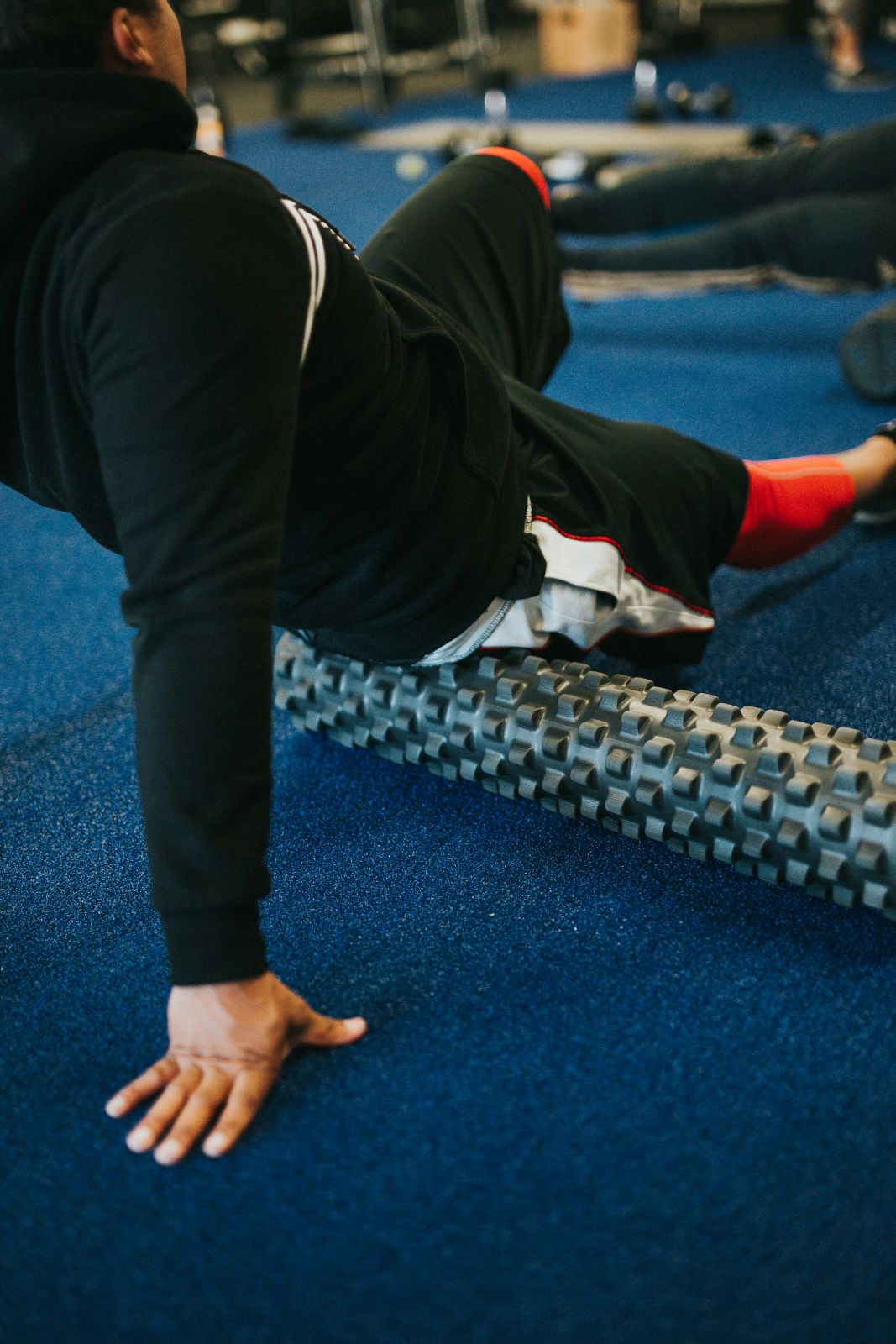
Physiotherapy
Physiotherapy focuses on the restoration of an individual's movement and function when they are impacted by an injury or illness.
More on physiotherapy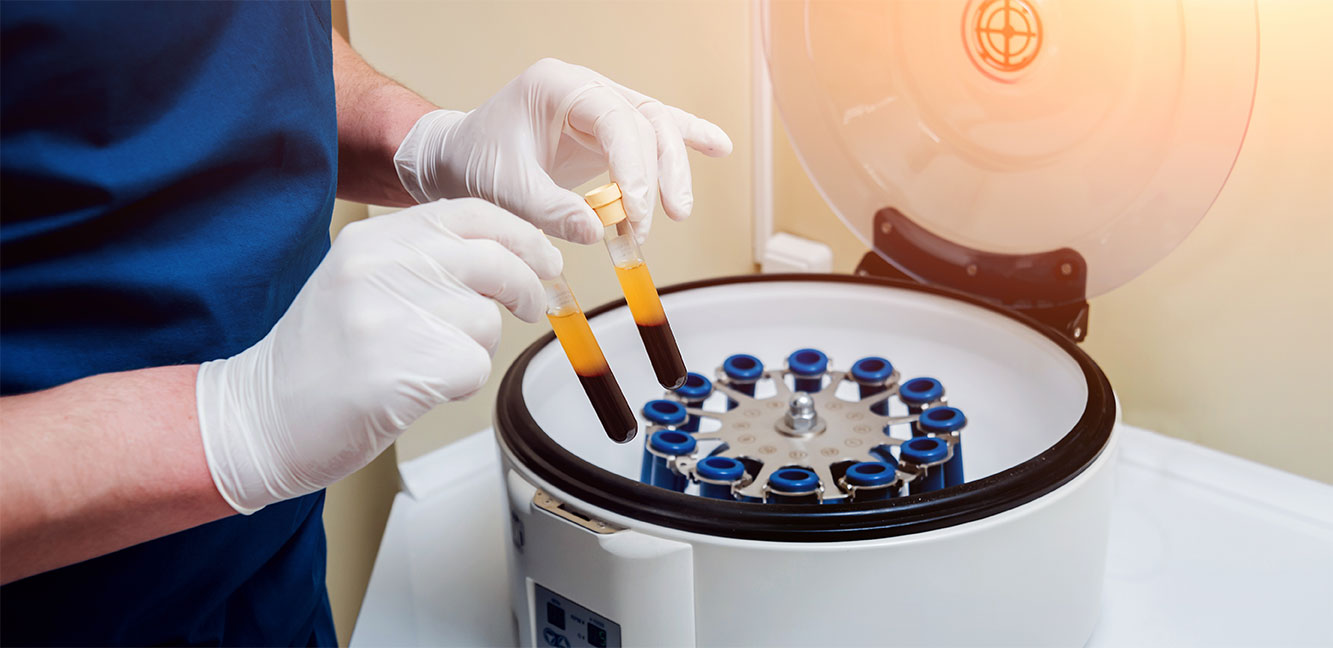
Platelet rich plasma
Platelet rich plasma therapy is a minimally invasive outpatient procedure that uses your own blood to promote healing of injured joints, muscles, tendons and ligaments.
More on platelet rich plasma
Strength and conditioning
Strength and conditioning training is a systematic and structured approach to enhancing athletic performance and overall physical fitness.
More on strength and conditioningInjections carry risks as well as benefits, including soreness at the site, bleeding and, rarely, infection. We go through the risks and the evidence for the specific treatment with you before you decide on anything.
When to get it looked at
Two or three weeks of tendon pain is enough to justify assessment, because the programmes are specific and because untreated cases frequently run for a year or more.
Get it looked at promptly if you felt a sudden give way with immediate inability to straighten the knee or to walk, which can indicate a tendon rupture, or if the knee swelled rapidly. Contact us, speak to your GP, or call NHS 111.
Frequently Asked Questions
Should I rest it?
No, and this is the single most important thing to get right. Rest reduces the tendon’s capacity so the same load hurts again on return. Reducing the aggravating load while building capacity is what works.
How long does it take?
Twelve weeks for meaningful change is realistic and returning to full jumping often takes longer. Programmes abandoned at six weeks account for a large share of the chronic cases we see.
Can I keep playing?
Often yes, with rules. Many people continue at reduced volume using pain during activity and, more importantly, how the following morning feels as the guide. Having a rule matters more than the specific rule.
Do steroid injections help?
They reduce pain briefly and are associated with worse outcomes over six and twelve months in tendons generally. We use them very sparingly here and never as a substitute for loading.
Should I wear a strap?
A patellar strap helps some people get through a session and changes nothing about the tendon. It is a useful short term aid alongside the strength work.
Does stretching help?
Not much, and for tendons compressed against bone it can make things worse. Strength through range is what changes a tendon; stretching mainly changes how it feels for an hour.
Related articles

Importance of calf capacity
The Importance of Good Calf Muscle Capacity in Preventing and Rehabilitating Lower Limb Injuries...

Plantar fasciitis: A common injury causing global heel pain
Plantar fasciitis holds the title as one of the most prevalent causes of heel pain across the...
Platelet rich plasma injections for tendonitis
Platelet rich plasma treatment(PRP)represents a promising approach to therapy for a range of...
Meet the Specialists

Dr David Porter
MB BS DipESM MScSPORT & EXERCISE MEDICINE DOCTOR

Dr Jonathan Korgaonkar
MBBS MRCP FFSEM Pgcert(US) BSc SPORTS MEDICINE DOCTOR

Dr Kush Joshi
MBBS, BSc, MRCP, FFSEM, PGDipSPORTS MEDICINE DOCTOR

Ian Gilham
BSc (Hons) MCSP PHYSIOTHERAPIST
Bart Hudson-Gill
BSc (Hons) CSCSPHYSIOTHERAPIST AND STRENGTH & CONDITIONING COACH
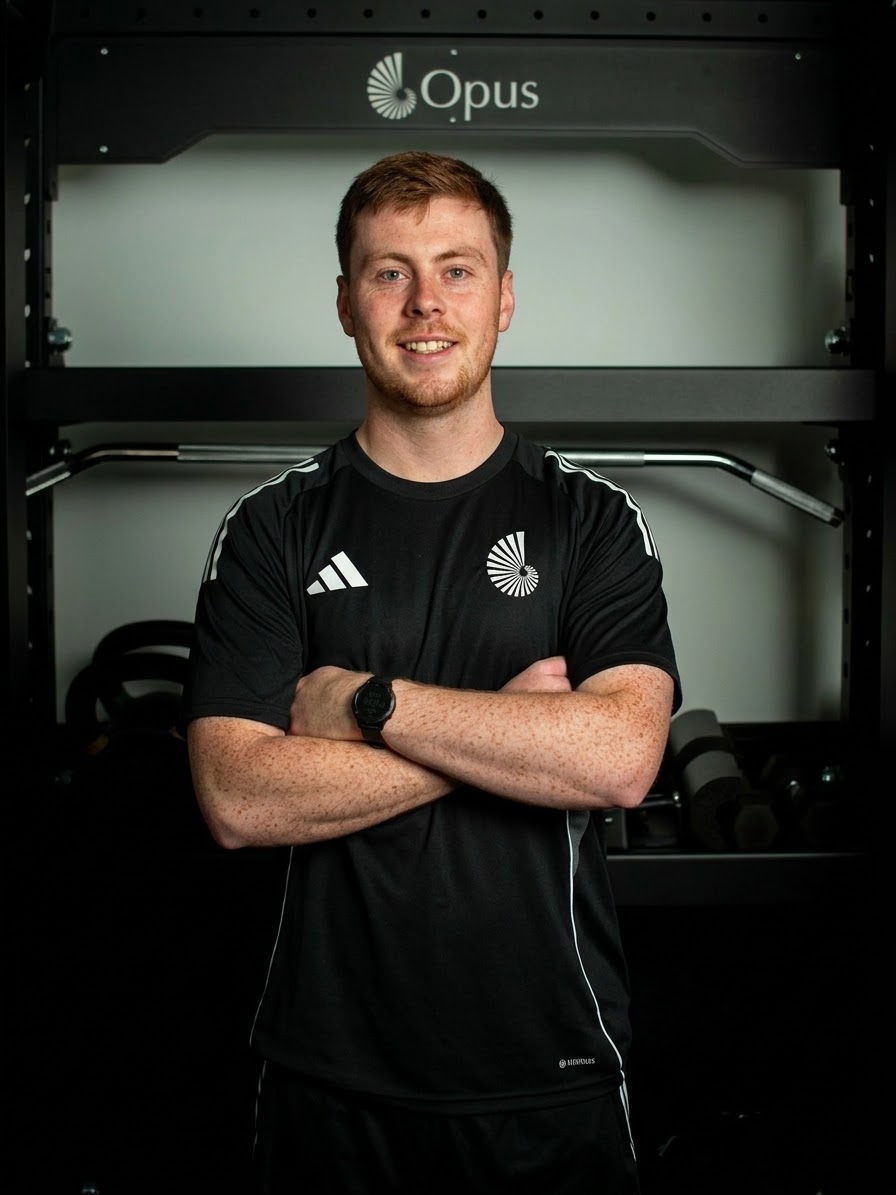
Brian Lynch
BSc (Hons) MCSP PHYSIOTHERAPIST
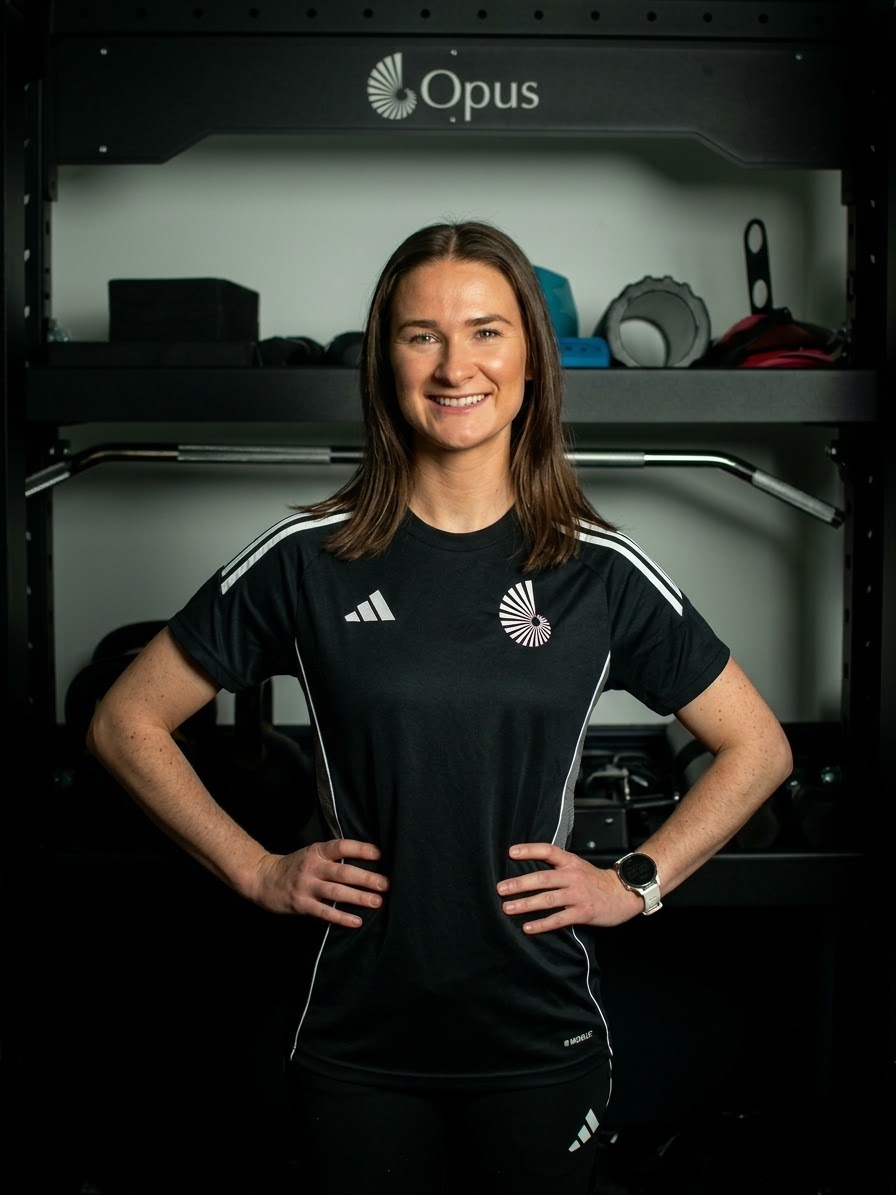
Gráinne Stapleton
BSc (Hons) PHYSIOTHERAPIST
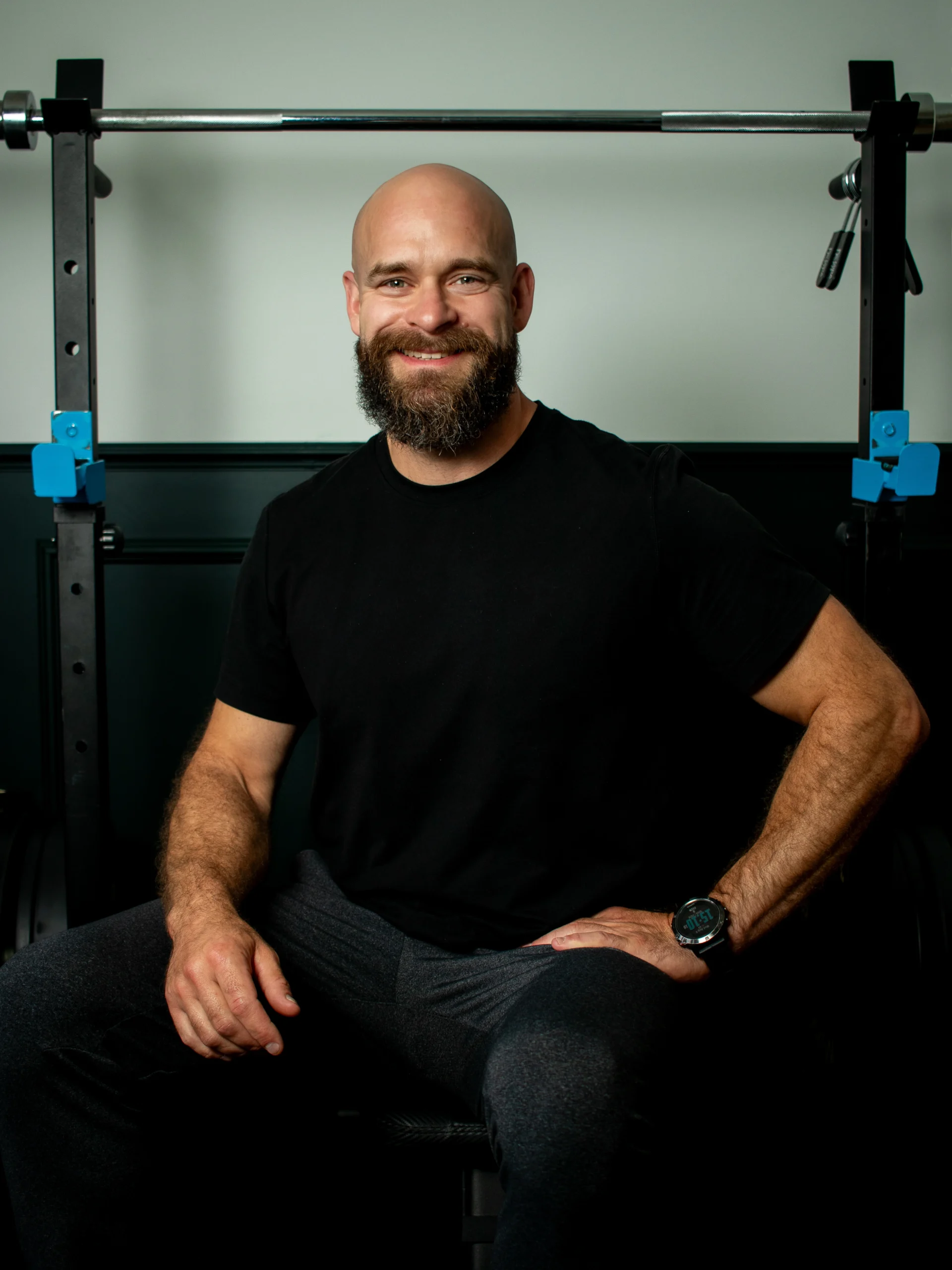
Gavin Eivers
BSc (Hons)STRENGTH & CONDITIONING COACH
Book an appointment
Our specialists are here to help. Book your appointment and take the first step towards better health.