
Meniscus and cartilage injuries
★★★★★ Rated 4.98 on Doctify from 56 reviews
Meniscus and knee cartilage treatment in London
Each knee has two menisci, C-shaped pads of cartilage that sit between the thigh bone and the shin bone, one on the inner side and one on the outer side. They absorb shock and help the knee move smoothly. This page also covers injuries to the smooth cartilage that lines the ends of the bones.
A meniscus can tear suddenly, usually during a twist with the foot planted, or wear gradually over time. Common signs are pain along the joint line, swelling, catching or locking, and difficulty fully straightening the knee. Many tears settle with structured rehabilitation; some need an orthopaedic opinion.

SYMPTOMS
What people usually describe
What causes meniscus and cartilage problems
Traumatic meniscal tears
Usually caused by twisting on a bent knee with the foot planted, often in sport and sometimes alongside a ligament injury. A knee that locks and will not straighten needs prompt assessment.
Degenerative meniscal tears
These develop gradually from middle age, often without a specific injury, and are common on scans in people with no symptoms. Most improve with structured exercise and rehabilitation rather than surgery.
Articular cartilage injuries
Damage to the smooth cartilage that lines the ends of the bones, from an injury or gradual wear. It can cause pain, swelling and catching, and treatment depends on the size and position of the damage.
If that does not sound like your knee, the other knee problems we see most often are knee pain, ligament injuries, kneecap pain, iliotibial band syndrome, patellar tendinopathy and osteoarthritis.
How we assess it
Your first appointment includes a detailed history of your symptoms and how they started, and a full examination of the knee, including tests for the meniscus and the joint cartilage. We also look at the hip and ankle, because they affect how the knee moves and how you recover.
If you need a scan, such as an MRI, we can arrange it. We will explain what we find and agree a treatment plan with you.
If you have already had a scan or seen another clinician, please bring the report or letter with you.
We will see you as soon as we can. Our fees are listed on our fees and insurance page.
How we treat it
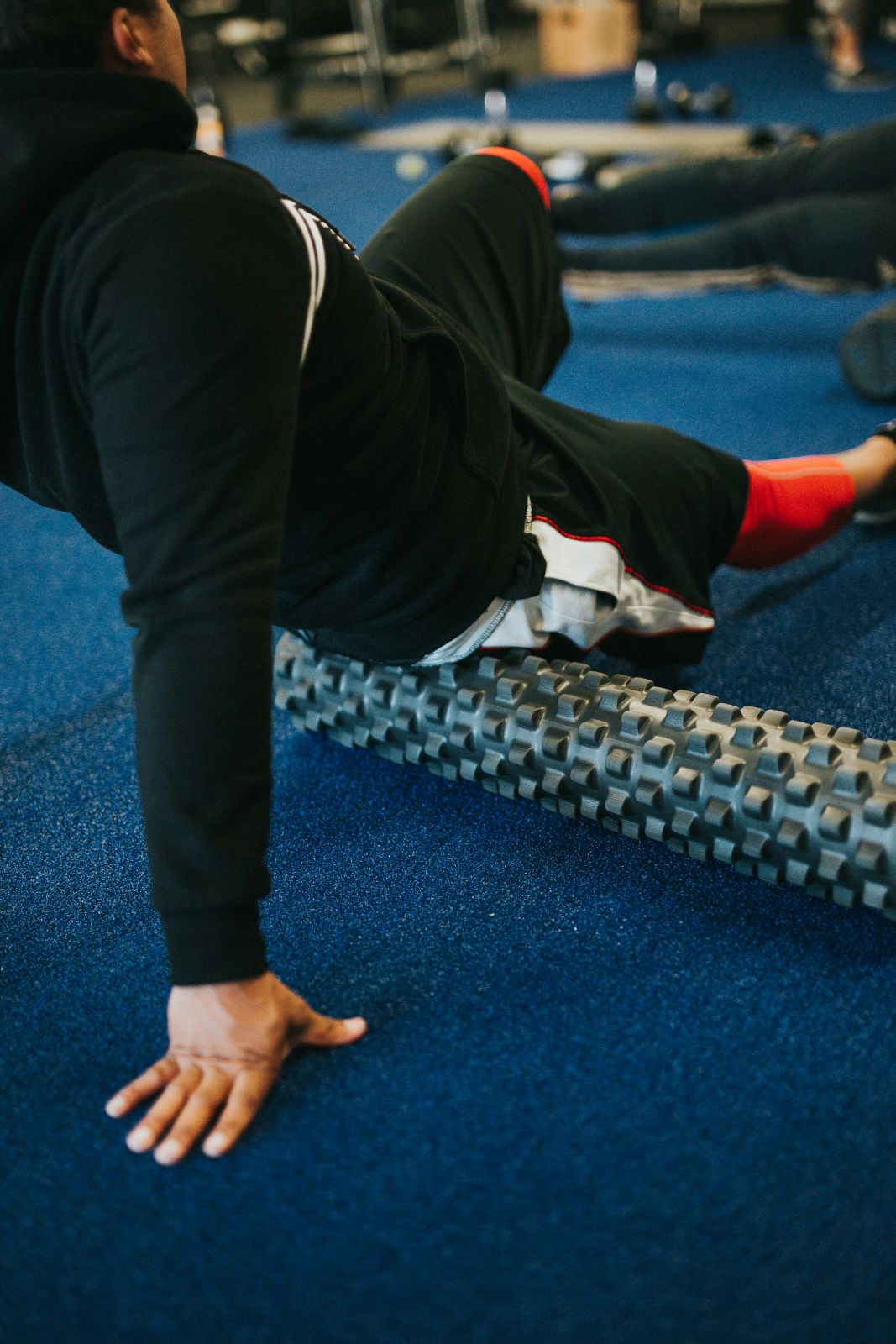
Physiotherapy
Physiotherapy focuses on the restoration of an individual's movement and function when they are impacted by an injury or illness.
More on physiotherapy
Sports medicine
Sports medicine focuses on the prevention, diagnosis, treatment and rehabilitation of injuries or conditions like osteoarthritis related to sports and physical activity.
More on sports medicine
Orthopaedics
Our team of orthopaedic partners offer care for a wide range of conditions including knee, hip and ankle to shoulder, elbow, wrist and hand surgery.
More on orthopaedicsWhen to get it looked at
A knee that catches or swells after activity is worth assessing when it has not settled within two or three weeks, and sooner if it followed a specific twisting injury in someone who is still playing sport.
A knee that is locked and will not straighten, that swelled up within an hour of an injury, or that cannot take weight should be assessed promptly rather than left. Contact us, speak to your GP, or call NHS 111.
Frequently Asked Questions
My scan shows a tear. Does it need fixing?
Not necessarily, and often not. Tears are found on the scans of very large numbers of people with no pain at all. What matters is whether your symptoms match the tear and whether the knee responds to rehabilitation, not whether a report mentions one.
Is keyhole surgery the answer?
For degenerative tears, high quality trials have repeatedly found that arthroscopic surgery does not outperform structured rehabilitation. It retains a clear role for a locked knee and for some traumatic tears in younger patients.
What does a locked knee mean?
A knee that physically cannot be fully straightened because something is caught inside the joint, as opposed to one that will not straighten because it is swollen and sore. The first needs prompt assessment. The second usually does not.
Can a meniscus heal?
The outer third has a blood supply and can heal, which is why repair is possible for some tears. The inner portion has very little, which is why tears there are managed on symptoms rather than repaired.
How long does rehabilitation take?
Meaningful improvement usually takes eight to twelve weeks of consistent work. Returning to pivoting sport takes longer, and it is judged on what the knee can demonstrate rather than on the calendar.
Will this lead to arthritis?
Removing meniscal tissue does raise the long term risk, which is one of the reasons the threshold for surgery has risen. Keeping the knee strong and active is the most useful thing within your control.
Do I need an MRI scan?
Not always. An MRI shows the structure of the knee, but meniscal changes are common in people without pain. We use scans alongside your symptoms and examination, not on their own, and arrange one when the result would change your treatment.
What else can cause similar symptoms?
Kneecap pain, osteoarthritis and pain referred from the hip can feel similar, which is why we examine the whole leg.
Related articles
Regenerative Medicine Explained
The term stem cell therapy often sparks curiosity, and confusion. In the UK, regenerative medicine...
A New Approach to Managing Osteoarthritis: The Role of Stem Cell Therapy and Regenerative Medicine
Understanding Osteoarthritis and Its Impact Osteoarthritis (OA) is one of the most common joint...
The Importance of Criteria-Based ACL Rehabilitation: A Structured Approach
Recovering from an ACL injury can be daunting, but with the right plan, our patients can rebuild...
What our patients say
"I came to him following a meniscus surgery... thinking that I'd never be able to practice or compete at the sport again... From day one, Bart was knowledgeable, thorough and understanding... Based on Bart's care and programming, I've seen amazing, rapid results, and am now back on the mats doing the sport I love."
Meet the Specialists
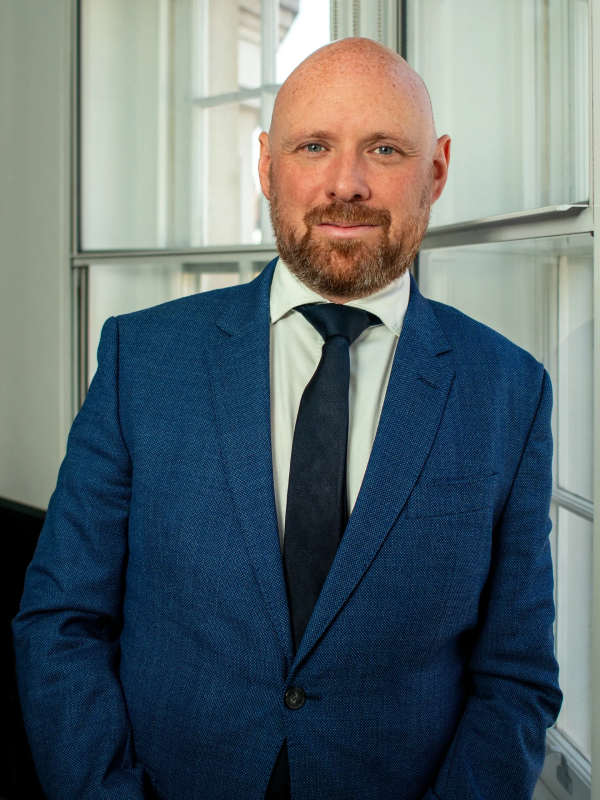
Dr David Porter
MB BS DipESM MScSPORT & EXERCISE MEDICINE DOCTOR
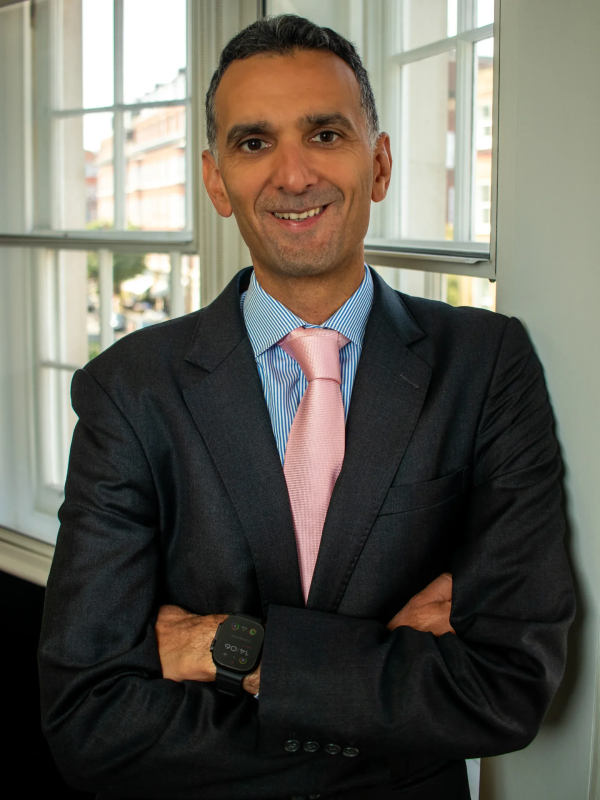
Dr Jonathan Korgaonkar
MBBS MRCP FFSEM Pgcert(US) BSc SPORTS MEDICINE DOCTOR
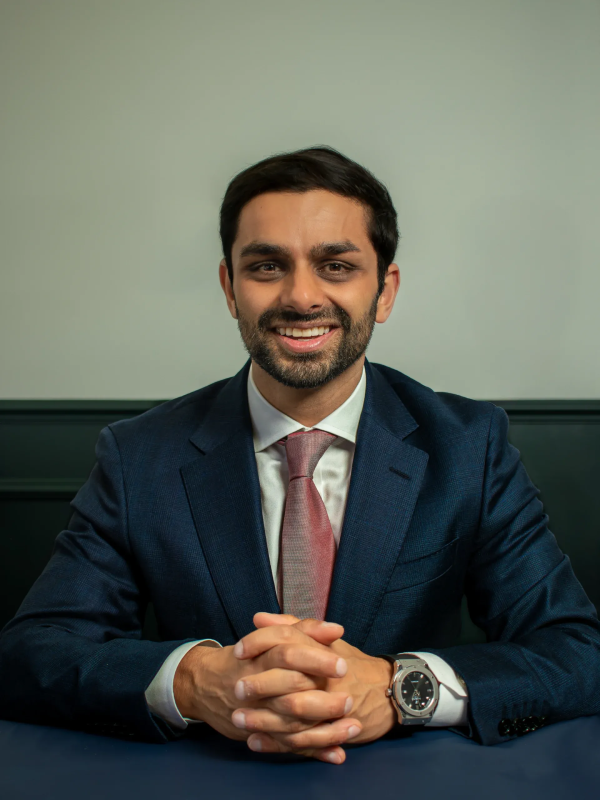
Dr Kush Joshi
MBBS, BSc, MRCP, FFSEM, PGDipSPORTS MEDICINE DOCTOR
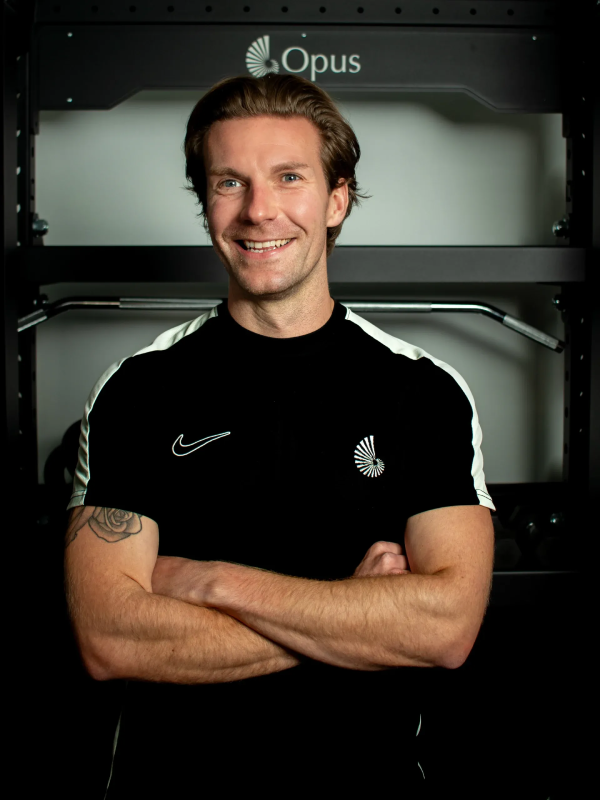
Ian Gilham
BSc (Hons) MCSP PHYSIOTHERAPIST
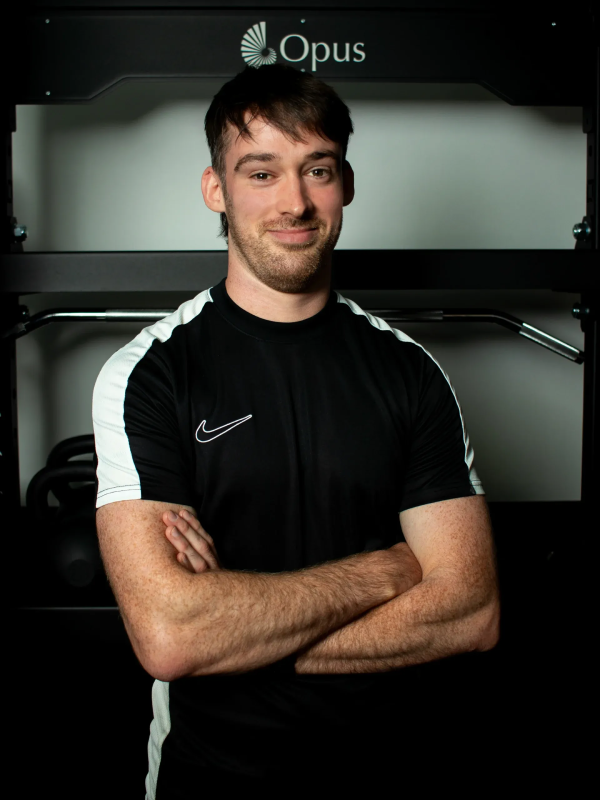
Bart Hudson-Gill
BSc (Hons) CSCSPHYSIOTHERAPIST AND STRENGTH & CONDITIONING COACH
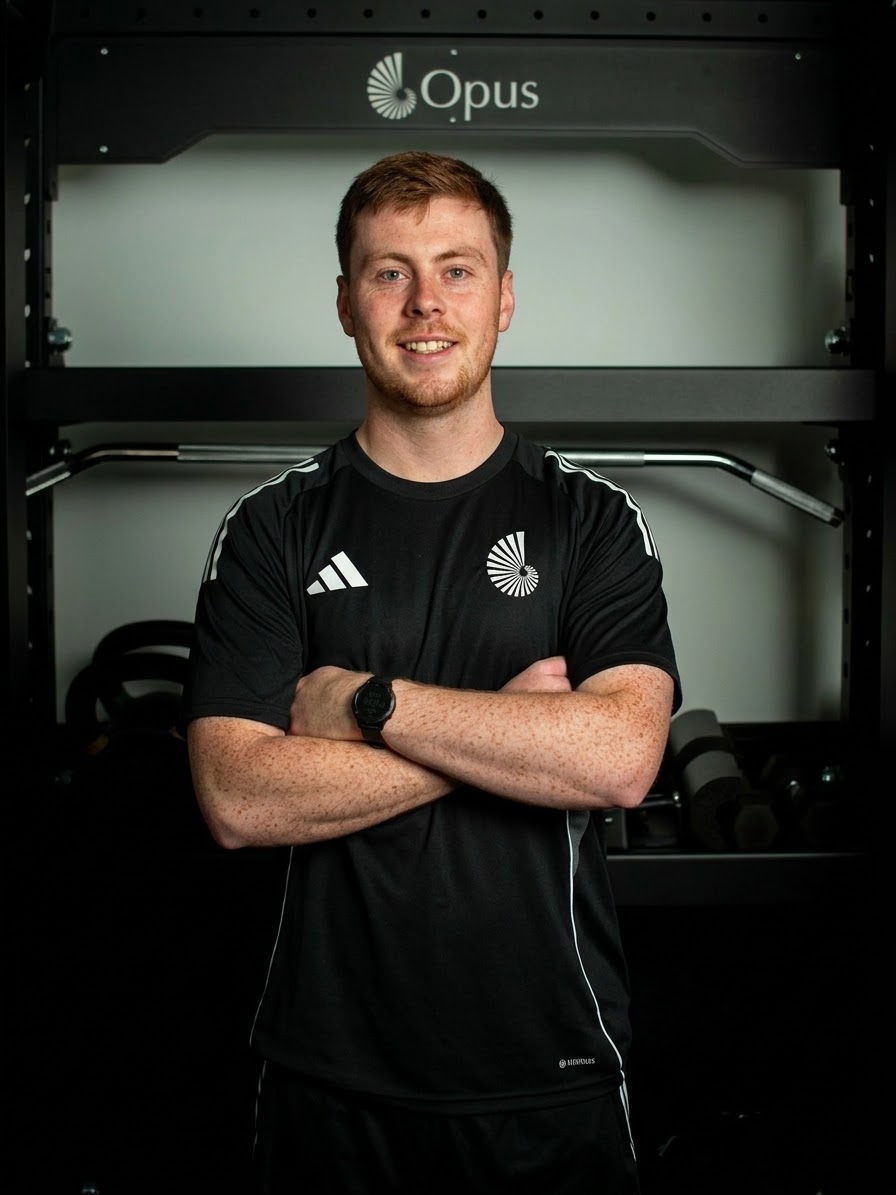
Brian Lynch
BSc (Hons) MCSP PHYSIOTHERAPIST
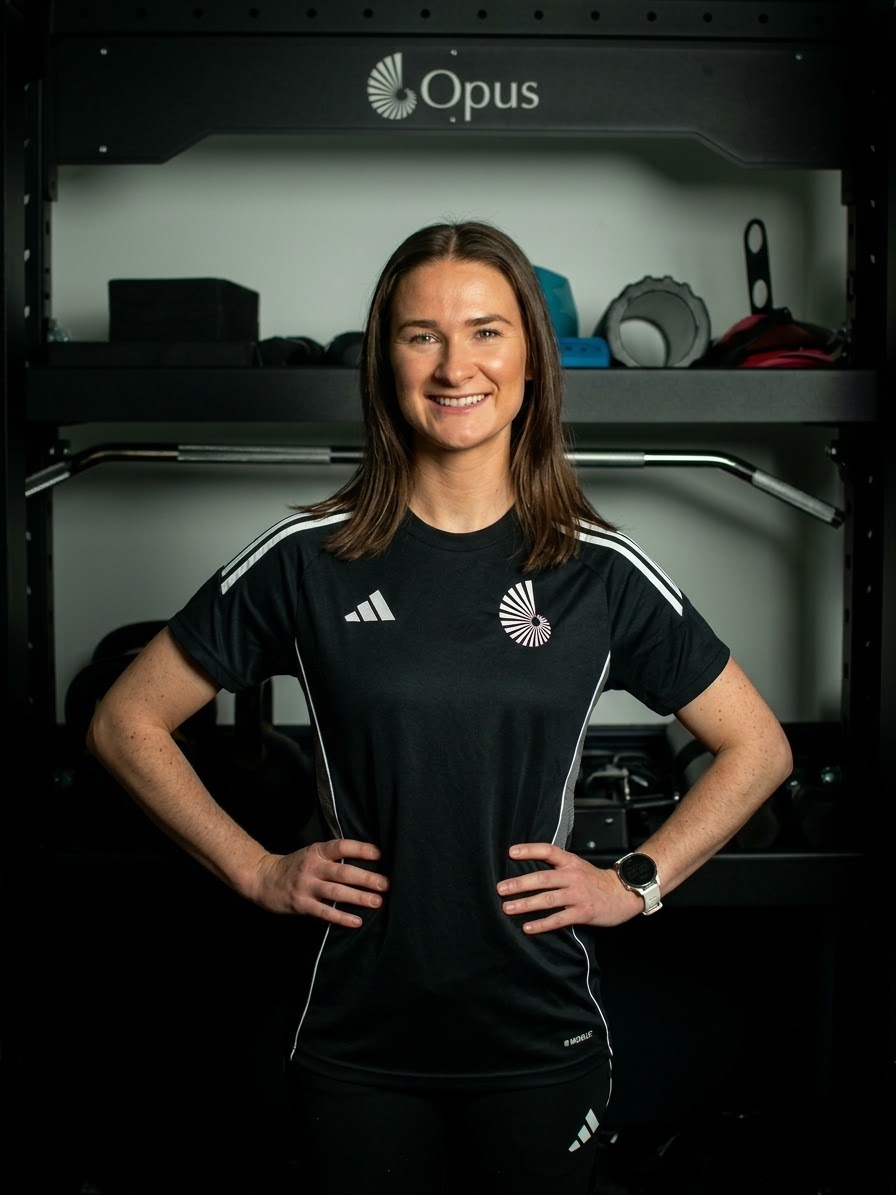
Gráinne Stapleton
BSc (Hons) PHYSIOTHERAPIST
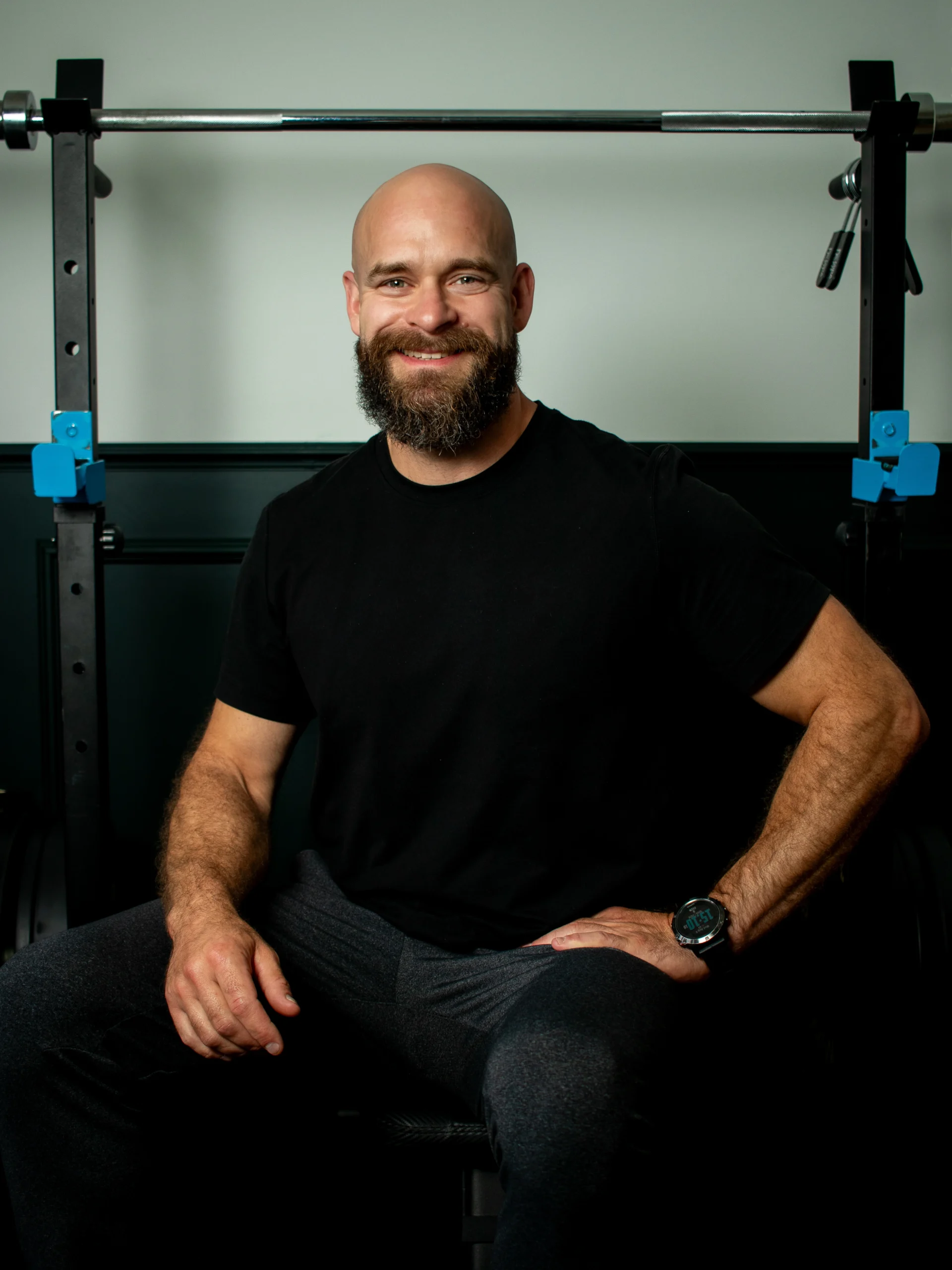
Gavin Eivers
BSc (Hons)STRENGTH & CONDITIONING COACH
Book an appointment
Our specialists are here to help. Book your appointment and take the first step towards better health.