Frozen shoulder
★★★★★ Rated 4.98 on Doctify from 56 reviews
Frozen shoulder treatment in London
Frozen shoulder is a condition where the shoulder becomes painful and stiff and gradually loses movement. It happens when the tissue around the shoulder joint, called the capsule, becomes inflamed, then thickens and tightens. It is also called adhesive capsulitis.
It usually affects people between 40 and 60, is more common in women and in people with diabetes, and often comes on without an injury. It does get better on its own, but this can take one to three years, and treatment can ease the pain and help you keep and regain movement in the meantime.
Symptoms
Symptoms of frozen shoulder
Frozen shoulder tends to come on gradually and moves through stages, from mainly pain, to mainly stiffness, and then a slow recovery. Common symptoms we see in clinic:
Common causes of frozen shoulder
Inflammation of the capsule
The capsule around the joint becomes inflamed, then thickens and contracts, which is what limits movement. Why it starts is often unclear.
Diabetes
People with diabetes are much more likely to develop frozen shoulder, and it can take longer to settle.
After an injury or operation
A period of keeping the shoulder still, after a fracture, surgery or a painful injury, can trigger it.
Other health conditions
It is more common in people with thyroid problems, heart disease or Dupuytren's contracture, a condition that makes the fingers bend inwards.
Rotator cuff problems that look similar
Rotator cuff pain can feel much the same, but the shoulder can usually still be moved fully by someone else. Telling the two apart changes the treatment.
About shoulder pain →What makes it more likely
Being aged 40 to 60, being a woman, having diabetes or a thyroid condition, and a recent period with the arm kept still all make frozen shoulder more likely. Having it in one shoulder also raises the chance of it in the other.
How we assess it
Your first appointment includes a detailed history of your symptoms and how they started, and a full examination of the shoulder, including how far it moves on its own and with help, and of the neck, which can cause similar pain. We also ask about diabetes and thyroid problems, which are linked to frozen shoulder, and arrange blood tests if needed.
If you need a scan, such as an ultrasound or X-ray, to rule out other causes, we can arrange it. We will explain what we find and agree a treatment plan with you.
If you have already had a scan or seen another clinician, please bring the report or letter with you.
We will see you as soon as we can. There is more on what to expect on our first appointment page, and our fees are listed on our fees and insurance page.
How we treat it

Sports medicine
Sports medicine focuses on the prevention, diagnosis, treatment and rehabilitation of injuries or conditions like osteoarthritis related to sports and physical activity.
More on sports medicine
Physiotherapy
Physiotherapy focuses on the restoration of an individual's movement and function when they are impacted by an injury or illness.
More on physiotherapy
Osteopathy
Osteopathy uses hands-on treatment and exercise to ease pain and help the spine and joints move more freely.
More on osteopathy
Strength and conditioning
Strength and conditioning training is a systematic and structured approach to enhancing athletic performance and overall physical fitness.
More on strength and conditioning
Reformer Pilates
Reformer Pilates enables you to strengthen the body through various ranges of motion to improve mobility without causing injury.
More on Reformer Pilates
Orthopaedics
Our team of orthopaedic partners offer care for a wide range of conditions including knee, hip and ankle to shoulder, elbow, wrist and hand surgery.
More on orthopaedicsWhen to get it looked at
Book an appointment if:
- your shoulder pain or stiffness is not improving after two weeks
- it is stopping you sleeping, working or training
- you cannot reach up, out to the side or behind your back
- you have diabetes and your shoulder is becoming stiff
Go to A&E or call 999 straight away if your shoulder pain started after a fall or injury and the shoulder looks deformed or you cannot move your arm, your shoulder is hot and swollen and you feel unwell or have a high temperature, or you have sudden pain in your shoulder or arm with chest pain, breathlessness or sweating.
Frequently Asked Questions
What can I do at home?
Keep the shoulder moving gently within what is comfortable, and avoid forcing it through pain. Regular paracetamol or ibuprofen, and a wrapped heat pack or ice pack, can ease the pain. At night, try a pillow under the arm or lying on the other side. Gentle exercises from a physiotherapist help most once the most painful stage has passed.
How long does frozen shoulder last?
It usually gets better on its own, but often takes one to three years. The painful stage tends to last a few months, the stiff stage several more, and movement then returns gradually.
Do I need a scan?
Usually not. Frozen shoulder is diagnosed from your symptoms and an examination. An X-ray or ultrasound is sometimes used to rule out other causes, such as arthritis or calcium deposits in a tendon.
Can an injection help?
A steroid injection into the shoulder can ease pain, particularly in the early painful stage, and help you sleep and keep moving. We will talk through whether it is right for you.
Will I need surgery?
Most people do not. If the shoulder is still very stiff after other treatment, a procedure to release the tight capsule may be considered, and we will refer you to a trusted surgeon if you need one.
Can it come back?
It is unusual for it to come back in the same shoulder, but some people go on to develop it in the other shoulder.
Should I keep exercising?
Yes, within what your shoulder allows. Keep active and keep the shoulder moving, but avoid forcing painful stretches in the early stage. We will adjust your exercise as the shoulder moves through each stage.
Related articles

Calcific Tendinitis of the Rotator Cuff (CTRC)
Calcific tendinitis of the rotator cuff (CTRC) is the accumulation of calcium phosphate within a...

Common shoulder injuries amongst athletes and how we treat them
Acromioclavicular joint injury The acromioclavicular (AC) joint is the point at which two bones,...
What our patients say
“Ian was incredibly helpful and made sure that I felt listened to. I would definitely recommend Ian to friends and family and will be back to Opus if I ever have another problem.”
Meet the Specialists

Dr David Porter
MB BS DipESM MScSPORT & EXERCISE MEDICINE DOCTOR

Dr Jonathan Korgaonkar
MBBS MRCP FFSEM Pgcert(US) BSc SPORTS MEDICINE DOCTOR

Dr Kush Joshi
MBBS, BSc, MRCP, FFSEM, PGDipSPORTS MEDICINE DOCTOR
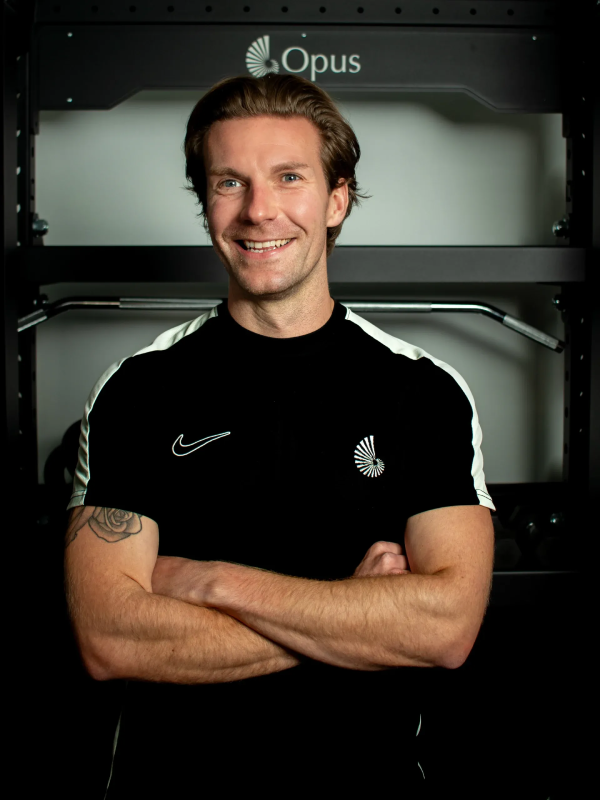
Ian Gilham
BSc (Hons) MCSP PHYSIOTHERAPIST
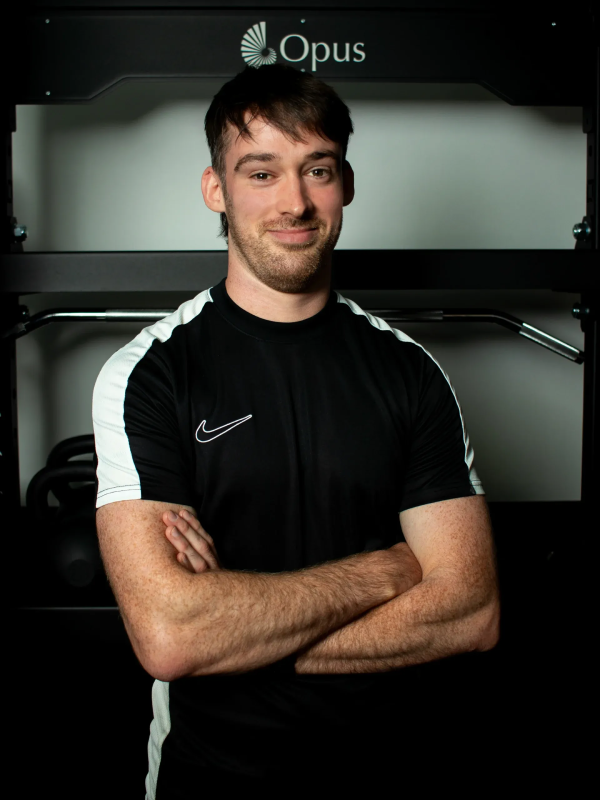
Bart Hudson-Gill
BSc (Hons) CSCSPHYSIOTHERAPIST AND STRENGTH & CONDITIONING COACH
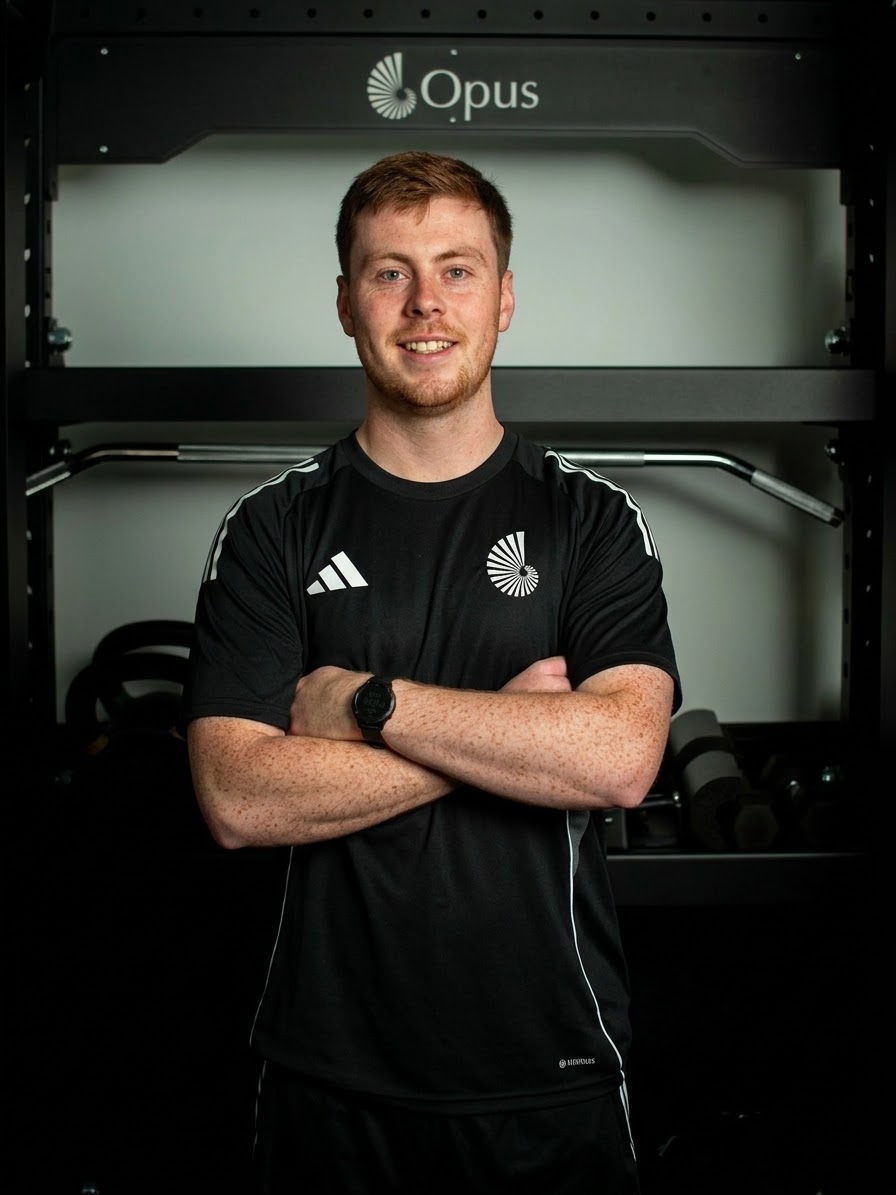
Brian Lynch
BSc (Hons) MCSP PHYSIOTHERAPIST