Calcific tendinitis of the shoulder
★★★★★ Rated 4.98 on Doctify from 56 reviews
Calcific tendinitis treatment in London
Calcific tendinitis is a build-up of calcium in one of the rotator cuff tendons, the group of tendons that hold the top of the arm bone in the shoulder socket. It most often affects the supraspinatus tendon at the top of the shoulder, and it is most common between the ages of thirty and sixty.
Many deposits cause no symptoms at all. When the body starts to break a deposit down, the shoulder can become intensely painful within hours, usually with no injury behind it, and many people describe it as the worst pain they have had.
In most people the deposit is eventually reabsorbed. Treatment focuses on controlling the pain while that happens, then restoring strength and movement in the shoulder afterwards.
Symptoms
Symptoms of calcific tendinitis
Calcific tendinitis can cause no symptoms at all, a grumbling ache, or sudden severe pain. Common symptoms we see in clinic:
Common causes of calcific tendinitis
Calcium deposits in the tendon
Calcium builds up in a rotator cuff tendon, most often the supraspinatus at the top of the shoulder. Why it forms is not fully understood.
The body breaking it down
The most painful phase is usually when the body starts to reabsorb the deposit, which causes intense inflammation in the tendon.
Catching under the shoulder bone
A larger deposit can catch beneath the bone at the top of the shoulder as you lift your arm, causing pain on movement.
Other rotator cuff problems
Rotator cuff tendon pain without calcium can feel very similar, which is why an ultrasound or X-ray helps.
About shoulder pain →Frozen shoulder
Occasionally a painful shoulder that has been kept still stiffens into a frozen shoulder, which needs a different approach.
About frozen shoulder →What makes it more likely
Being aged 30 to 60, being a woman, and having diabetes or a thyroid condition all make calcific tendinitis more likely.
How we assess it
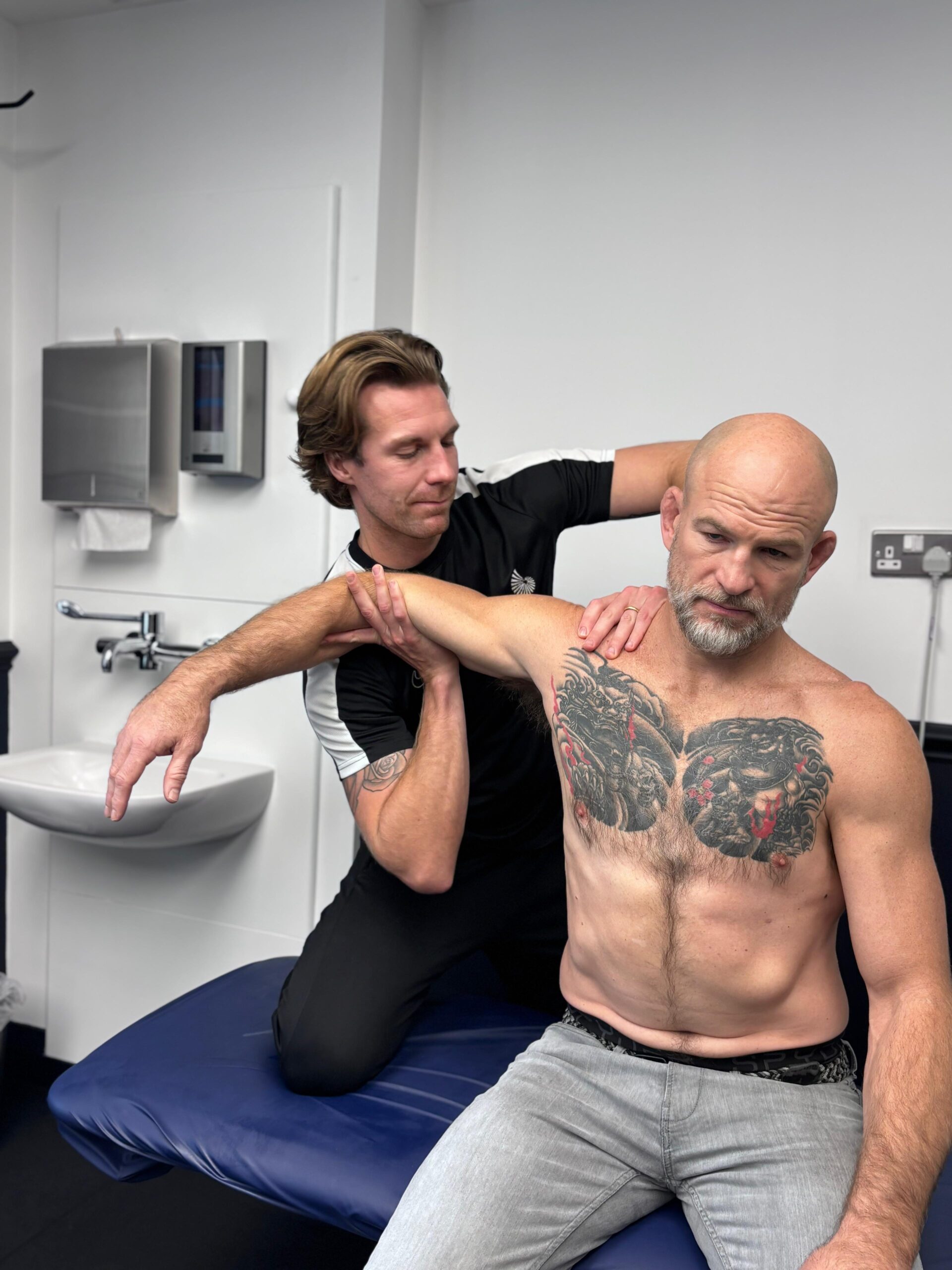
Your first appointment includes a detailed history of your symptoms and how they started, and a full examination of the shoulder and neck. An ultrasound or X-ray shows the calcium deposit and helps decide the treatment. We also rule out other causes of a suddenly painful shoulder, such as a frozen shoulder, a rotator cuff tear or a joint infection.
If you need further scans, we can arrange them. We will explain what we find and agree a treatment plan with you.
If you have already had a scan or seen another clinician, please bring the report or letter with you.
We will see you as soon as we can. There is more on what to expect on our first appointment page, and our fees are listed on our fees and insurance page.
How we treat it

Sports medicine
Sports medicine focuses on the prevention, diagnosis, treatment and rehabilitation of injuries or conditions like osteoarthritis related to sports and physical activity.
More on sports medicine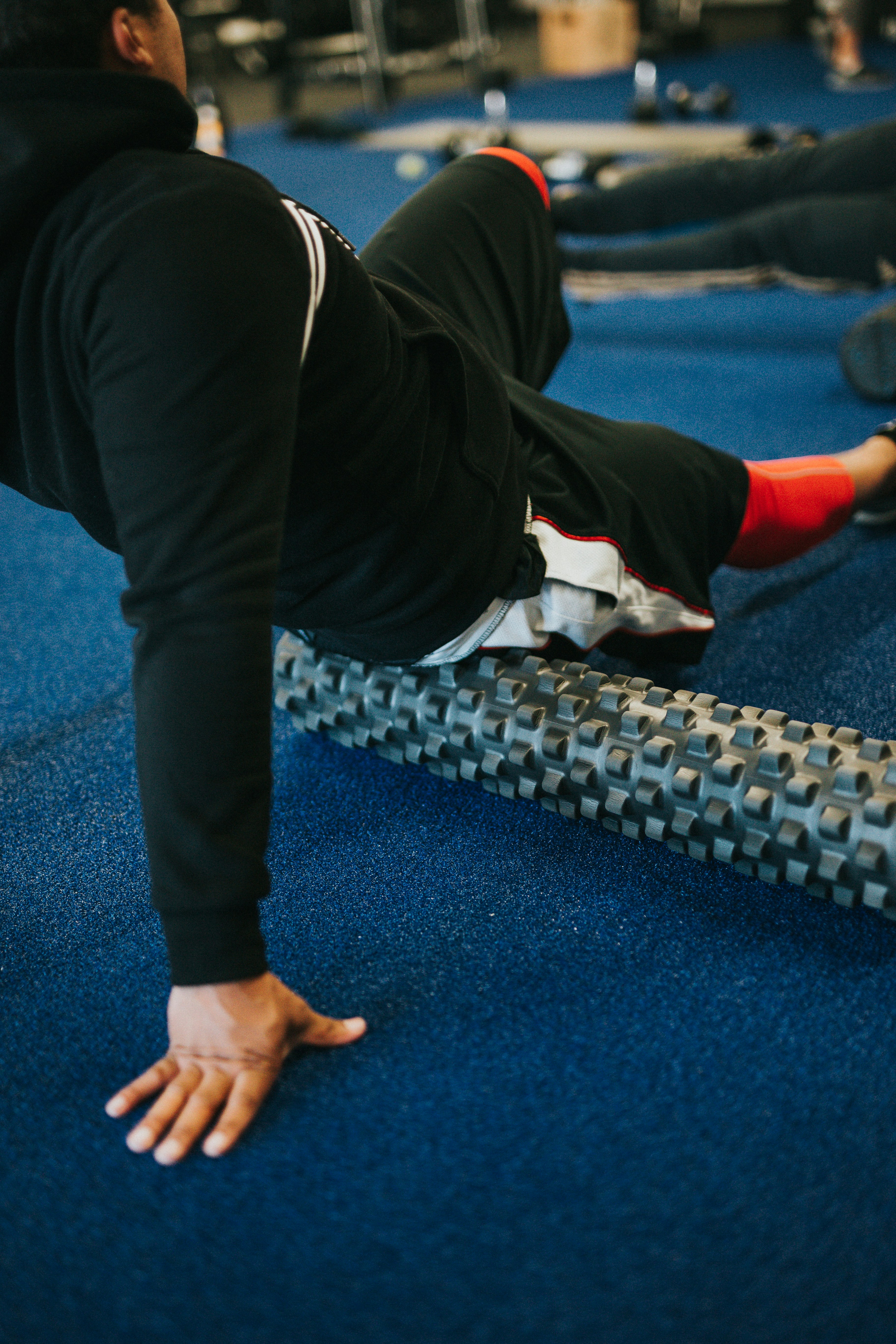
Physiotherapy
Physiotherapy focuses on the restoration of an individual's movement and function when they are impacted by an injury or illness.
More on physiotherapy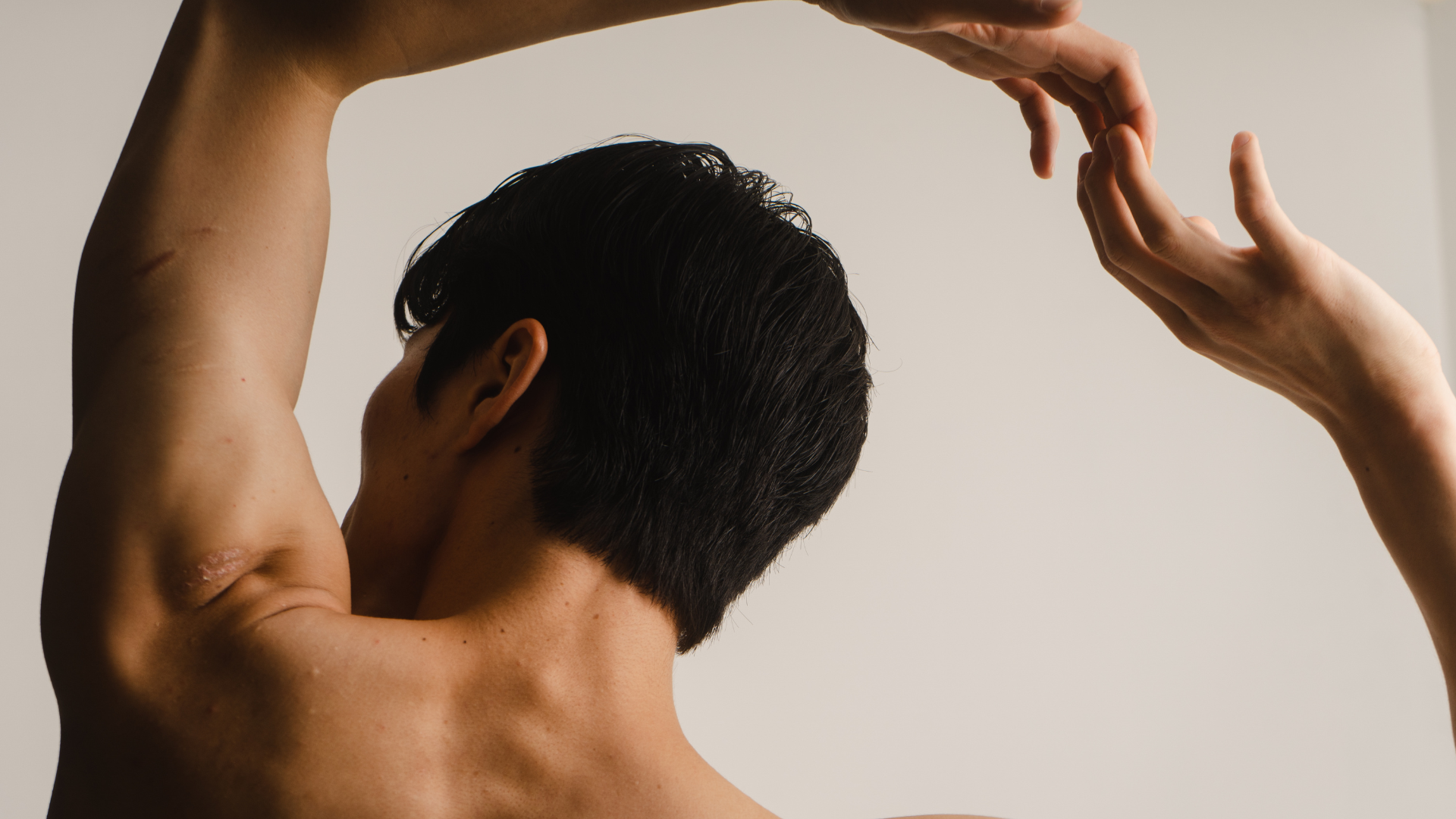
Osteopathy
Osteopathy uses hands-on treatment and exercise to ease pain and help the spine and joints move more freely.
More on osteopathy
Strength and conditioning
Strength and conditioning training is a systematic and structured approach to enhancing athletic performance and overall physical fitness.
More on strength and conditioning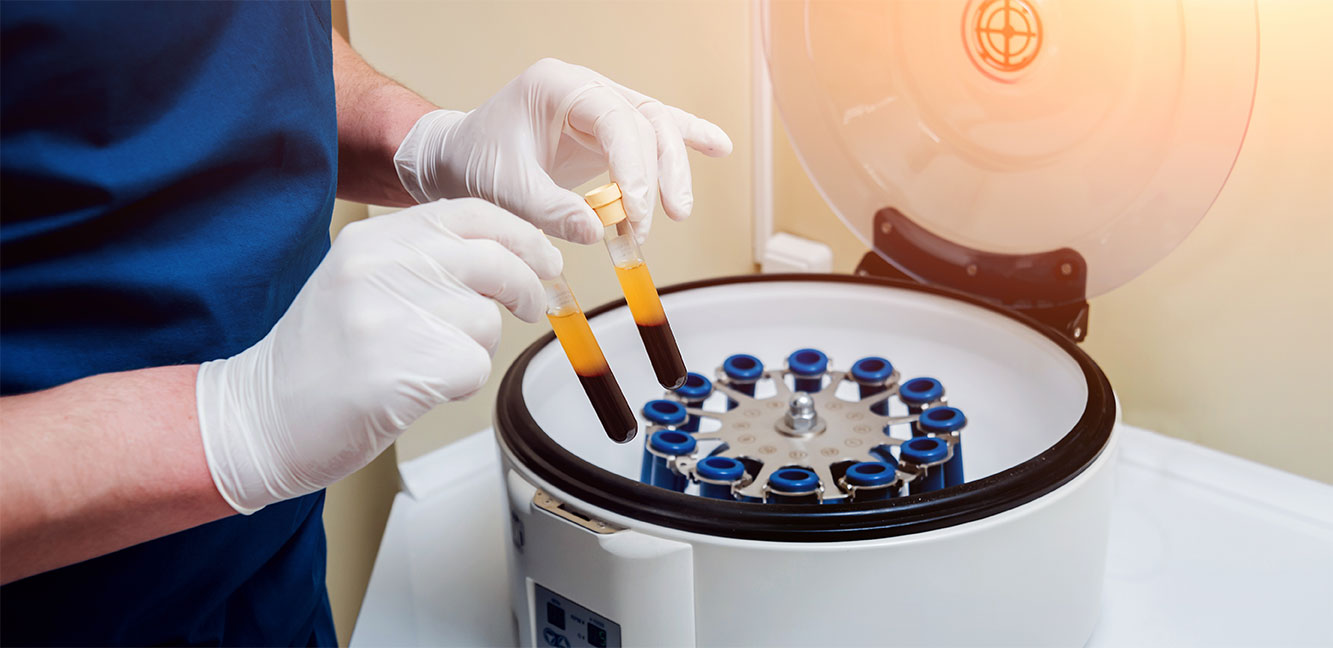
Platelet rich plasma
Platelet rich plasma therapy is a minimally invasive outpatient procedure that uses your own blood to promote healing of injured joints, muscles, tendons and ligaments.
More on platelet rich plasma
Orthopaedics
Our team of orthopaedic partners offer care for a wide range of conditions including knee, hip and ankle to shoulder, elbow, wrist and hand surgery.
More on orthopaedicsWhen to get it looked at
Book an appointment if:
- you have severe shoulder pain that came on without an injury
- your shoulder pain is not improving after two weeks
- it is stopping you sleeping, working or training
- you have been told you have calcium deposits and the pain keeps coming back
Go to A&E or call 999 straight away if your shoulder pain started after a fall or injury and the shoulder looks deformed or you cannot move your arm, your shoulder is hot and swollen and you feel unwell or have a high temperature, or you have sudden pain in your shoulder or arm with chest pain, breathlessness or sweating.
Frequently Asked Questions
What can I do at home?
During a flare, rest the arm in a comfortable position but keep it moving gently so it does not stiffen. Regular paracetamol or ibuprofen and a wrapped ice pack can ease the pain. Sleep propped up with a pillow under the arm. As the pain settles, gentle exercises help you get your movement and strength back.
Do I need a scan?
Usually yes. An ultrasound or X-ray shows the calcium deposit, its size and the stage it is at, which helps decide treatment. We can arrange either.
How long does it take to get better?
A severe flare usually settles over a few weeks. Most deposits are eventually reabsorbed by the body, although this can take months, and some people have flares on and off before it settles completely.
Can an injection help?
A steroid injection can ease the pain of a flare. We will talk through whether it is right for you.
Can I keep training?
Usually, once the worst of the pain has settled. Avoid overhead and heavy pressing work during a flare, then build back up gradually with our guidance.
Will I need surgery?
Very rarely. Surgery to remove the deposit is only considered if pain continues for many months despite other treatment.
Can it come back?
It can. Some people have more than one flare, and deposits can form in the other shoulder. Most people do settle completely in time.
What are the risks of injections?
Injections carry risks as well as benefits, including soreness at the site, bleeding and, rarely, infection. We go through the risks and the evidence for the specific treatment with you before you decide on anything.
Related articles

Calcific Tendinitis of the Rotator Cuff (CTRC)
Calcific tendinitis of the rotator cuff (CTRC) is the accumulation of calcium phosphate within a...
Common shoulder injuries amongst athletes and how we treat them
Acromioclavicular joint injury The acromioclavicular (AC) joint is the point at which two bones,...
Meet the Specialists

Dr David Porter
MB BS DipESM MScSPORT & EXERCISE MEDICINE DOCTOR

Dr Jonathan Korgaonkar
MBBS MRCP FFSEM Pgcert(US) BSc SPORTS MEDICINE DOCTOR

Dr Kush Joshi
MBBS, BSc, MRCP, FFSEM, PGDipSPORTS MEDICINE DOCTOR
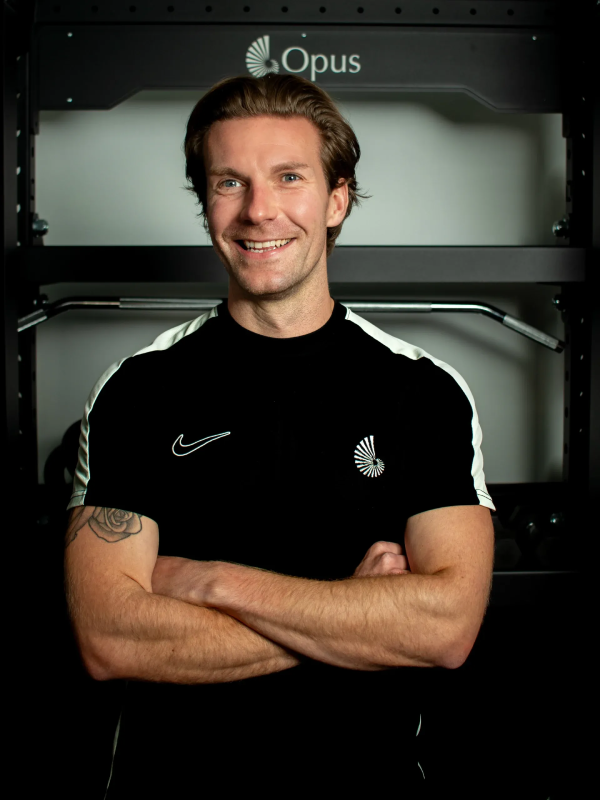
Ian Gilham
BSc (Hons) MCSP PHYSIOTHERAPIST
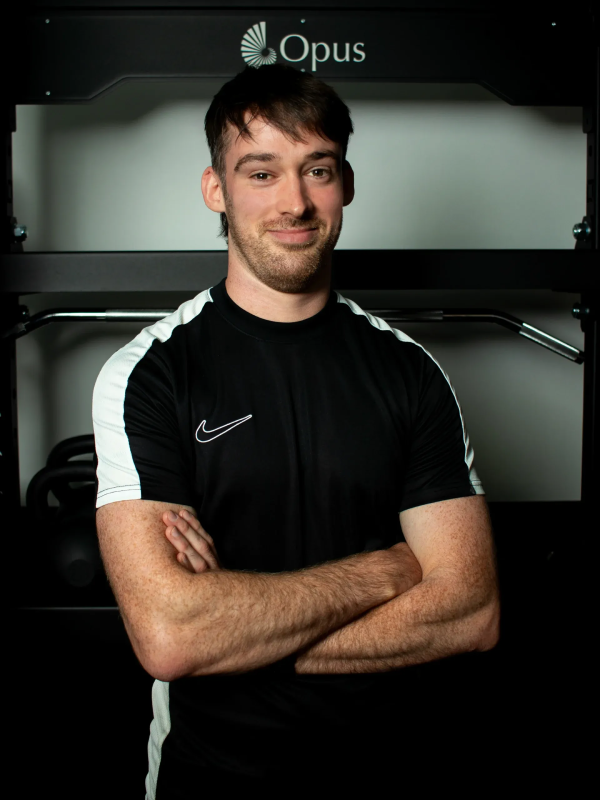
Bart Hudson-Gill
BSc (Hons) CSCSPHYSIOTHERAPIST AND STRENGTH & CONDITIONING COACH
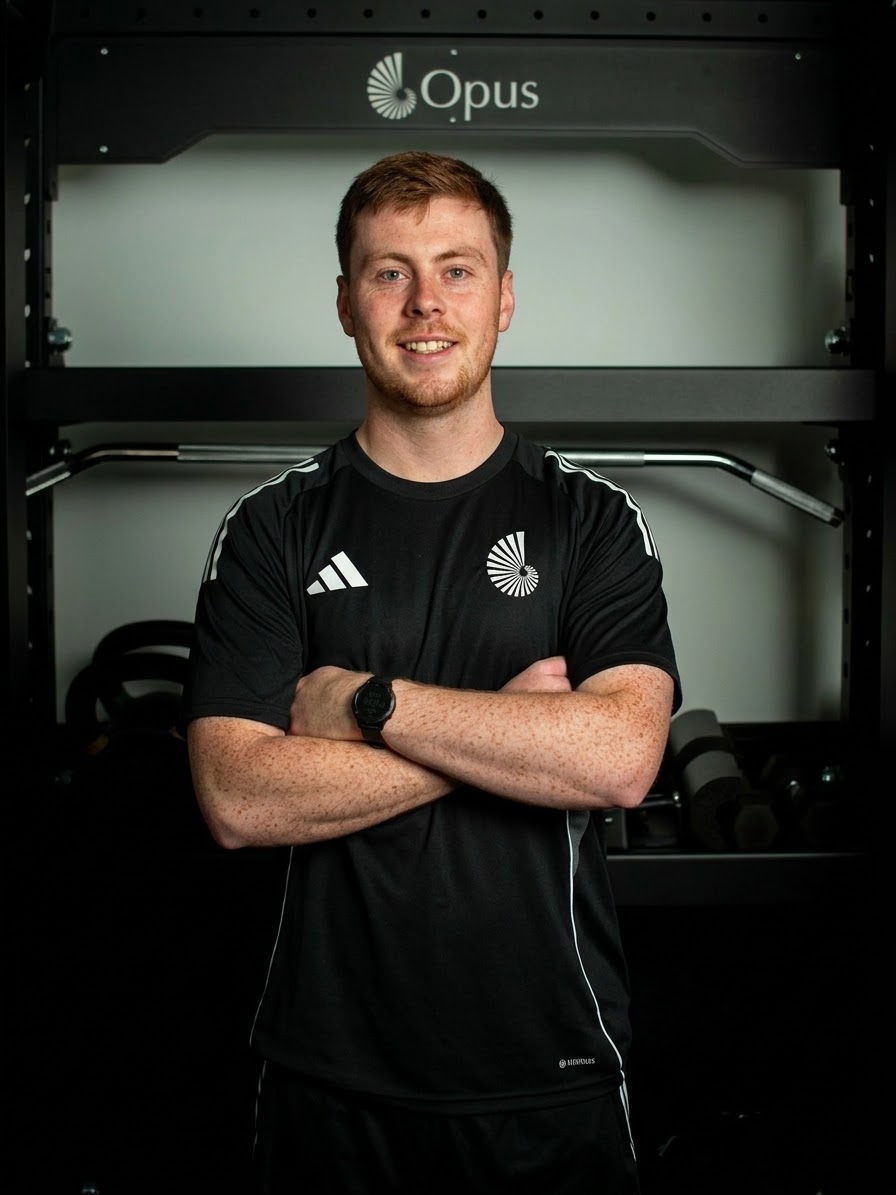
Brian Lynch
BSc (Hons) MCSP PHYSIOTHERAPIST