Whiplash and neck injury
★★★★★ Rated 4.98 on Doctify from 56 reviews
Whiplash and neck injury treatment in London
Whiplash is a neck injury caused by the head being jolted suddenly forwards, backwards or sideways. It most often happens in a car accident, but a fall, a tackle or a blow in sport can do the same. The jolt strains the muscles, ligaments and joints of the neck, causing pain and stiffness.
Symptoms often start a few hours after the injury, or the next morning. Most people get better within a few weeks to three months, and keeping the neck moving gently from the start is one of the most useful things you can do.

Symptoms
Symptoms of whiplash
Whiplash usually causes neck pain and stiffness, and symptoms often come on some hours after the injury rather than straight away. Common symptoms we see in clinic:
Common causes of whiplash
Car accidents
The most common cause, especially being hit from behind. It can happen at low speed, and feeling fine at the roadside does not mean nothing has happened.
Sport
Contact sports such as rugby and martial arts, and falls in riding, skiing or cycling, can jolt the neck in the same way.
Falls and blows to the head
A trip, a fall or a sudden knock to the head can strain the neck, even when the neck itself is not hit.
A trapped nerve
Occasionally the injury irritates a nerve in the neck, causing pain, pins and needles or weakness down the arm. It changes how we assess you, and most cases still settle without surgery.
About neck pain →Concussion alongside it
The same jolt can cause a concussion without any blow to the head. Headache, poor concentration, sensitivity to light or not feeling yourself should be checked in their own right.
What makes it more likely to linger
Wearing a collar, resting for too long, avoiding movement and worry about the injury are all linked with slower recovery, as are previous neck pain and severe pain at the start. Managing these is as much part of treatment as anything done to the neck.
How we assess it
Your first appointment includes a detailed history of your symptoms and how they started, including how the injury happened, and a full examination of the neck and upper back, including a check of the nerves if symptoms travel into your arm. We also ask about concussion symptoms, and check for the less common injuries that need an urgent scan.
If you need a scan, such as an MRI, we can arrange it. We will explain what we find and agree a treatment plan with you.
If you have already had a scan or seen another clinician, please bring the report or letter with you.
We will see you as soon as we can. There is more on what to expect on our first appointment page, and our fees are listed on our fees and insurance page.
How we treat it

Sports medicine
Sports medicine focuses on the prevention, diagnosis, treatment and rehabilitation of injuries or conditions like osteoarthritis related to sports and physical activity.
More on sports medicine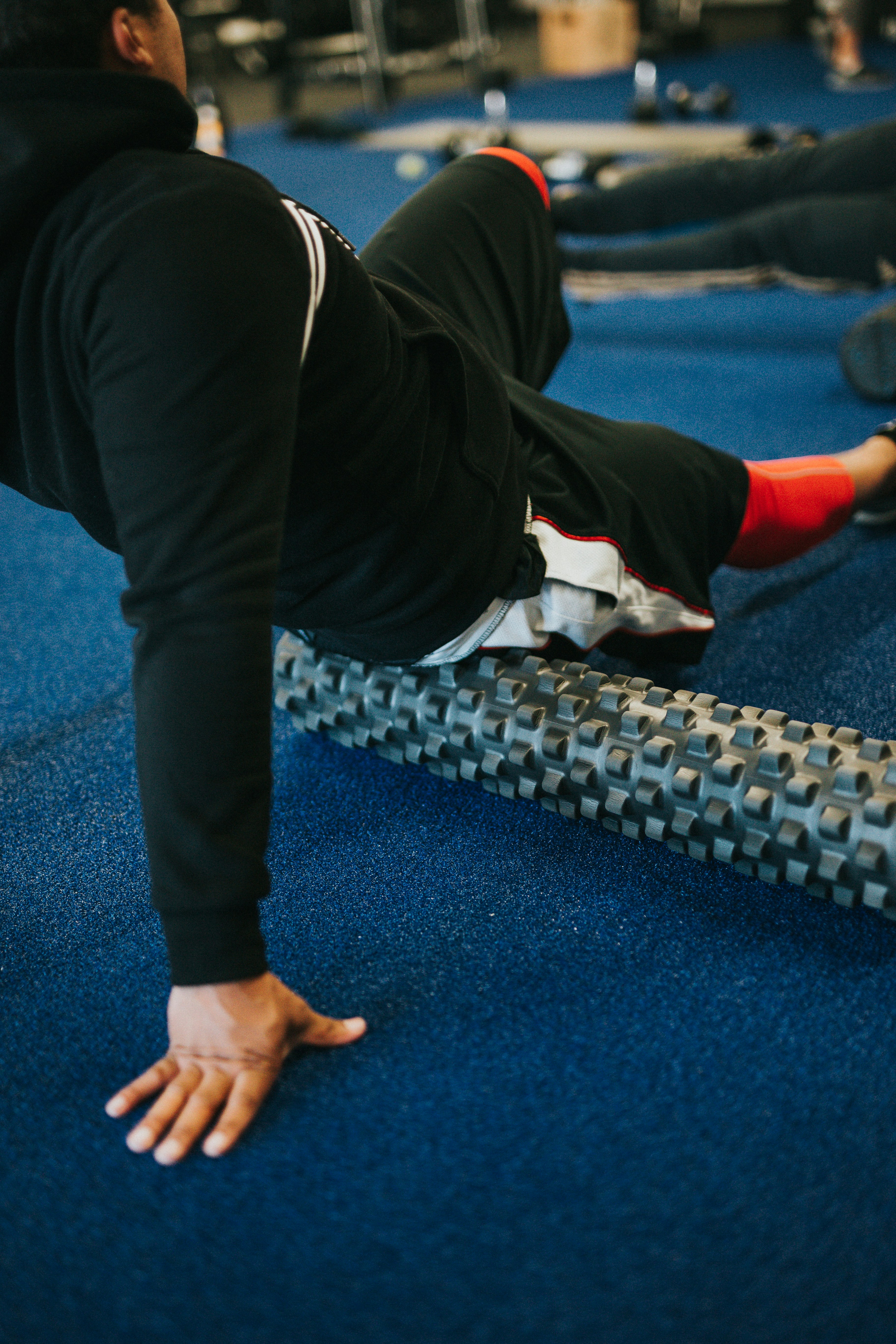
Physiotherapy
Physiotherapy focuses on the restoration of an individual's movement and function when they are impacted by an injury or illness.
More on physiotherapy
Osteopathy
Osteopathy uses hands-on treatment and exercise to ease pain and help the spine and joints move more freely.
More on osteopathy
Strength and conditioning
Strength and conditioning training is a systematic and structured approach to enhancing athletic performance and overall physical fitness.
More on strength and conditioning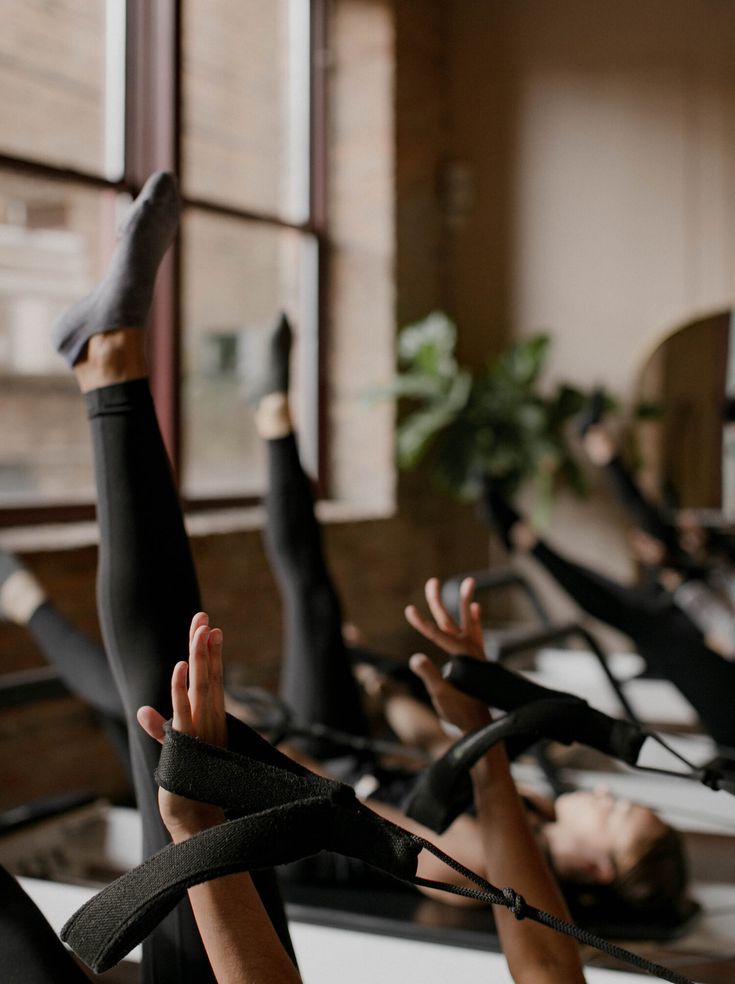
Reformer Pilates
Reformer Pilates enables you to strengthen the body through various ranges of motion to improve mobility without causing injury.
More on Reformer Pilates
Orthopaedics
Our team of orthopaedic partners offer care for a wide range of conditions including knee, hip and ankle to shoulder, elbow, wrist and hand surgery.
More on orthopaedicsWhen to get it looked at
Book an appointment if your whiplash:
- is not improving after two to three weeks
- is stopping you sleeping, working, driving or training
- comes with pain, pins and needles or numbness travelling into your arm or hand
- comes with headaches, dizziness or poor concentration that are not settling
Go to A&E or call 999 straight away if you have severe neck pain after a significant collision or fall, numbness, weakness or pins and needles in both arms or in your legs, problems controlling your bladder or bowels, a severe headache, repeated vomiting or confusion, if you were knocked out, or if you cannot hold your head up.
Frequently Asked Questions
What can I do at home?
Keep moving and carry on with your normal activities as much as you can, including gentle neck movements little and often. Regular paracetamol or ibuprofen can help you keep moving, and a wrapped heat pack or a wrapped ice pack can ease the pain. Use a supportive pillow, avoid sleeping on your front, and try not to sit in one position for long.
Should I wear a collar?
Almost never. Collars keep the neck still at exactly the point when gentle movement helps most, and they slow recovery.
Why does it hurt more the next day?
This is very common. The tissues in the neck react over several hours, so people often feel reasonable at the scene and much stiffer the following morning. It does not mean the injury is worse than first thought.
Do I need an X-ray or a scan?
Usually not. There are clear rules for deciding who needs imaging after a neck injury, and we go through them at your assessment. If you do need a scan, we can arrange it.
How long does whiplash last?
Most people feel much better within a few weeks and have recovered within three months. A smaller number take longer, and how the injury is managed early on matters more than how bad it felt at the start.
Can I drive?
Only once you can turn your head far enough to check your mirrors and blind spots properly, and you are not taking medication that makes you drowsy. If you are unsure, we can go through it with you at your appointment.
Can I keep exercising?
Yes, within reason. Gentle activity such as walking helps recovery. Contact sport and heavy lifting are best left until your neck moves freely and you have been checked, and we will guide you back to training at the right pace.
Related articles
Why Rehabilitation Should Focus on Long-Term Health Management, Not Quick Fixes
Rehabilitation should build long-term resilience, not just resolve short-term pain.
Role of Physiotherapy in Fibromyalgia
Fibromyalgia (FM) is a chronic condition which causes pain throughout the body. Other symptoms...

Calcific Tendinitis of the Rotator Cuff (CTRC)
Calcific tendinitis of the rotator cuff (CTRC) is the accumulation of calcium phosphate within a...
Meet the Specialists

Dr David Porter
MB BS DipESM MScSPORT & EXERCISE MEDICINE DOCTOR

Dr Jonathan Korgaonkar
MBBS MRCP FFSEM Pgcert(US) BSc SPORTS MEDICINE DOCTOR

Dr Kush Joshi
MBBS, BSc, MRCP, FFSEM, PGDipSPORTS MEDICINE DOCTOR

Ian Gilham
BSc (Hons) MCSP PHYSIOTHERAPIST
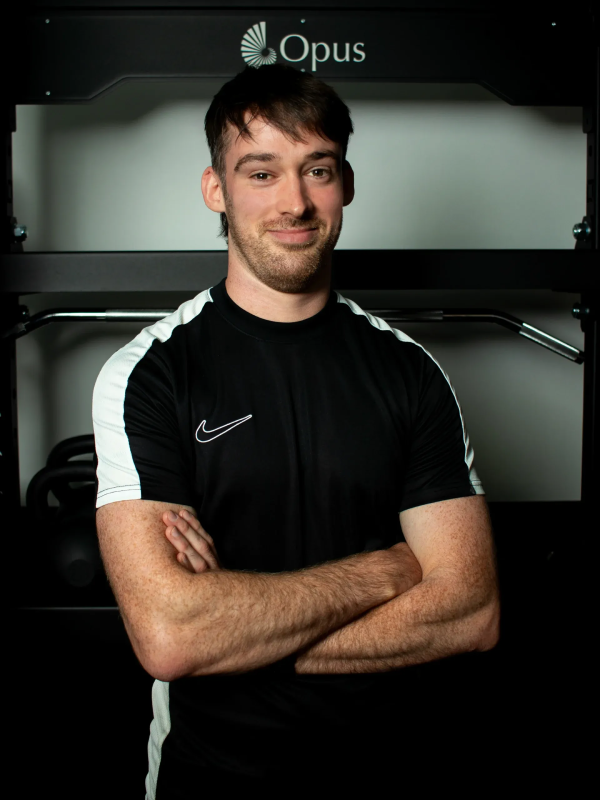
Bart Hudson-Gill
BSc (Hons) CSCSPHYSIOTHERAPIST AND STRENGTH & CONDITIONING COACH
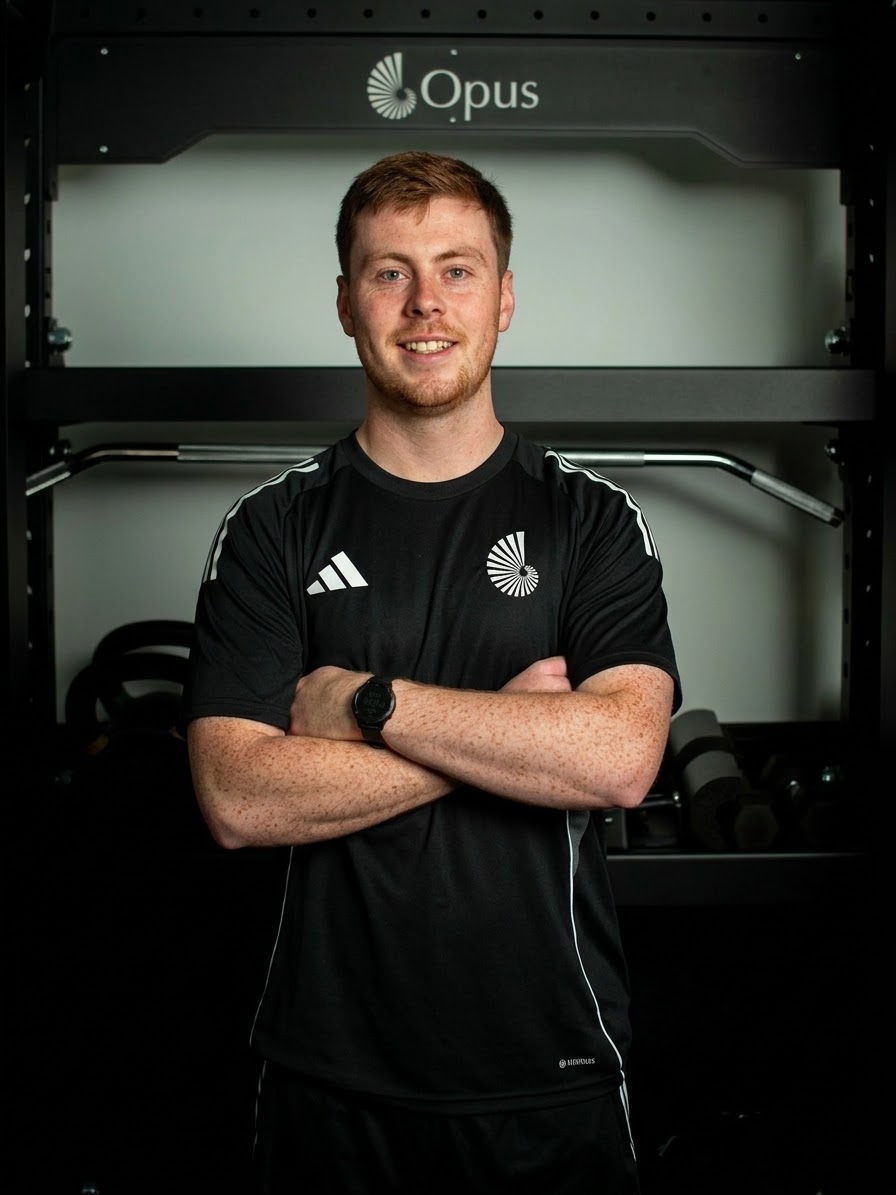
Brian Lynch
BSc (Hons) MCSP PHYSIOTHERAPIST
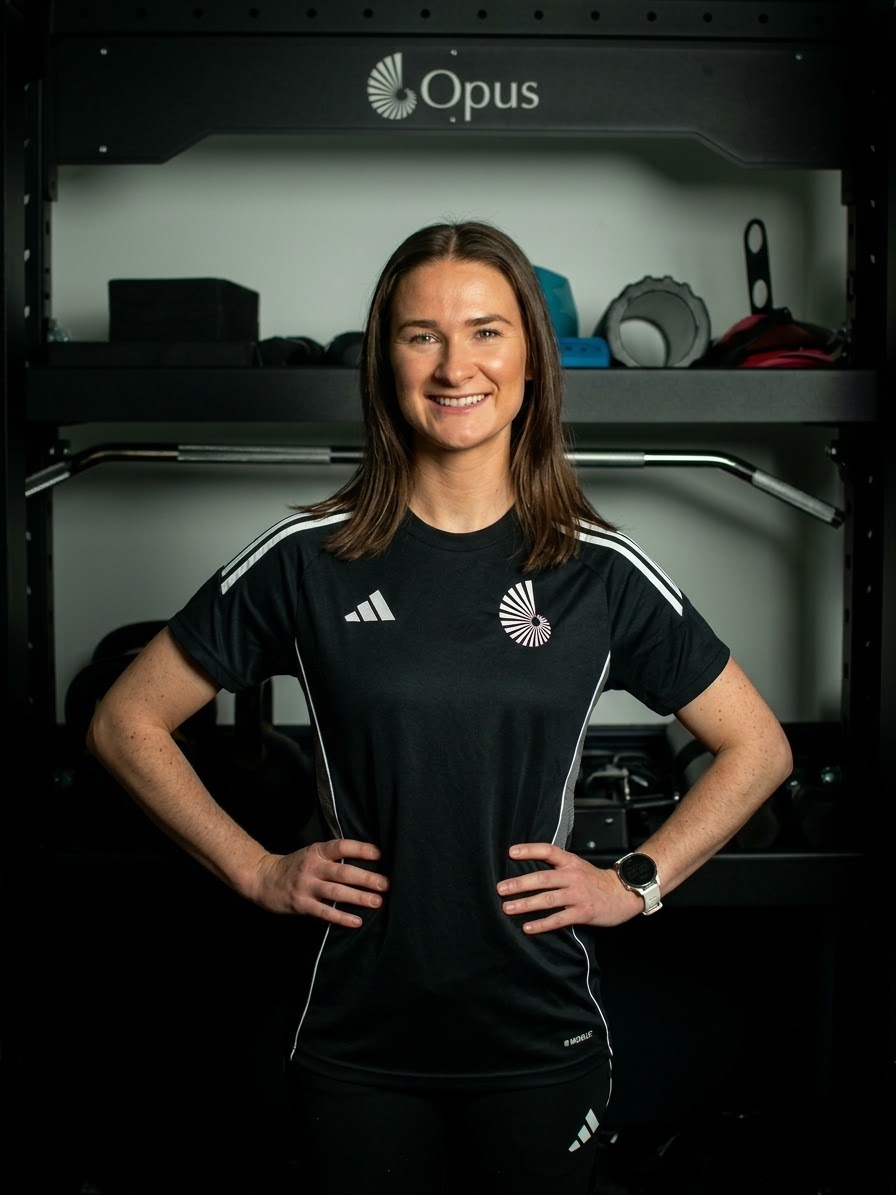
Gráinne Stapleton
BSc (Hons) PHYSIOTHERAPIST