Sciatica
★★★★★ Rated 4.98 on Doctify from 56 reviews
Sciatica treatment in London
Sciatica is pain, tingling or numbness caused by irritation or pressure on the sciatic nerve, which runs from the lower back through the buttock and down each leg. It usually affects one side, and it is most often caused by a bulging or slipped disc. It can be very painful, but it usually improves within four to six weeks, and most people recover without surgery.
It is worth having it assessed early, so you know what is causing it and what you can safely do while it settles. Our sports medicine doctor, physiotherapists, osteopath and strength and conditioning coach work together, so you get a clear diagnosis and one plan to ease the pain and get you moving again.
Symptoms
Symptoms of sciatica
Sciatica usually affects one leg. The pain is often worse in the leg than in the back, and where you feel it tells us a lot about which nerve is involved. Common symptoms we see in clinic:
Common causes of sciatica
A bulging or slipped disc
The most common cause. Part of a disc presses on or irritates a nerve as it leaves the spine. Most cases settle over weeks to months as the irritation eases and the body gradually reabsorbs the disc material.
About slipped discs →Narrowing and bone spurs
The opening the nerve passes through can narrow with age, sometimes because of small bony growths called bone spurs. This causes similar leg pain, often more clearly linked to standing and walking, and is treated differently.
Spinal stenosis
Narrowing of the main spinal canal, usually in people over sixty. It causes pain and heaviness in the legs when walking, which eases when you sit down or lean forwards.
Spondylolisthesis
When one bone in the spine slips forward over the one below, it can narrow the space for the nerves and cause leg pain.
Pain that is not from a nerve
Pain from the joints and muscles of the back and pelvis can spread into the buttock and thigh. It usually stops above the knee and comes without pins and needles, and it is often mistaken for sciatica. Less often, the nerve is irritated outside the spine, deep in the buttock or within the pelvis, which is why a careful history matters as much as the examination.
About back pain →What makes it more likely
Back injuries, heavy or awkward lifting, jobs that involve twisting or carrying heavy loads, long periods of sitting, age, diabetes, smoking, carrying extra weight, stress and poor sleep all make sciatica more likely.
How we assess it
Your first appointment includes a detailed history of your symptoms and how they started, and a full examination of the back and hip, including tests of power, sensation, reflexes and the nerves themselves. This tells us whether the pain is coming from a nerve root or from somewhere else, which affects treatment and recovery time.
If you need a scan, such as an MRI, we can arrange it. We will explain what we find and agree a treatment plan with you.
If you have already had a scan or seen another clinician, please bring the report or letter with you.
We will see you as soon as we can. There is more on what to expect on our first appointment page, and our fees are listed on our fees and insurance page.
How we treat it

Sports medicine
Sports medicine focuses on the prevention, diagnosis, treatment and rehabilitation of injuries or conditions like osteoarthritis related to sports and physical activity.
More on sports medicine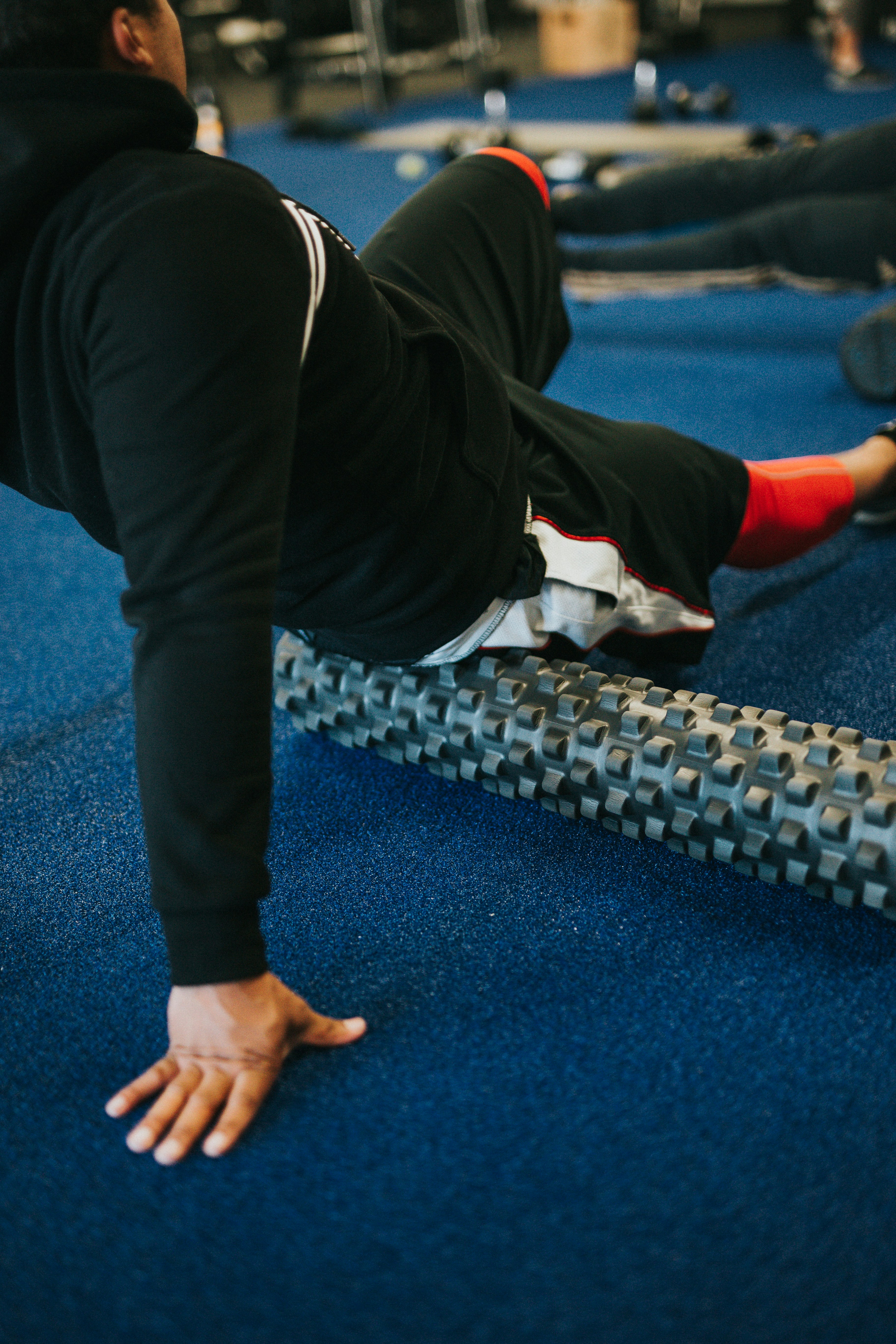
Physiotherapy
Physiotherapy focuses on the restoration of an individual's movement and function when they are impacted by an injury or illness.
More on physiotherapy
Osteopathy
Osteopathy uses hands-on treatment and exercise to ease pain and help the spine and joints move more freely.
More on osteopathy
Strength and conditioning
Strength and conditioning training is a systematic and structured approach to enhancing athletic performance and overall physical fitness.
More on strength and conditioning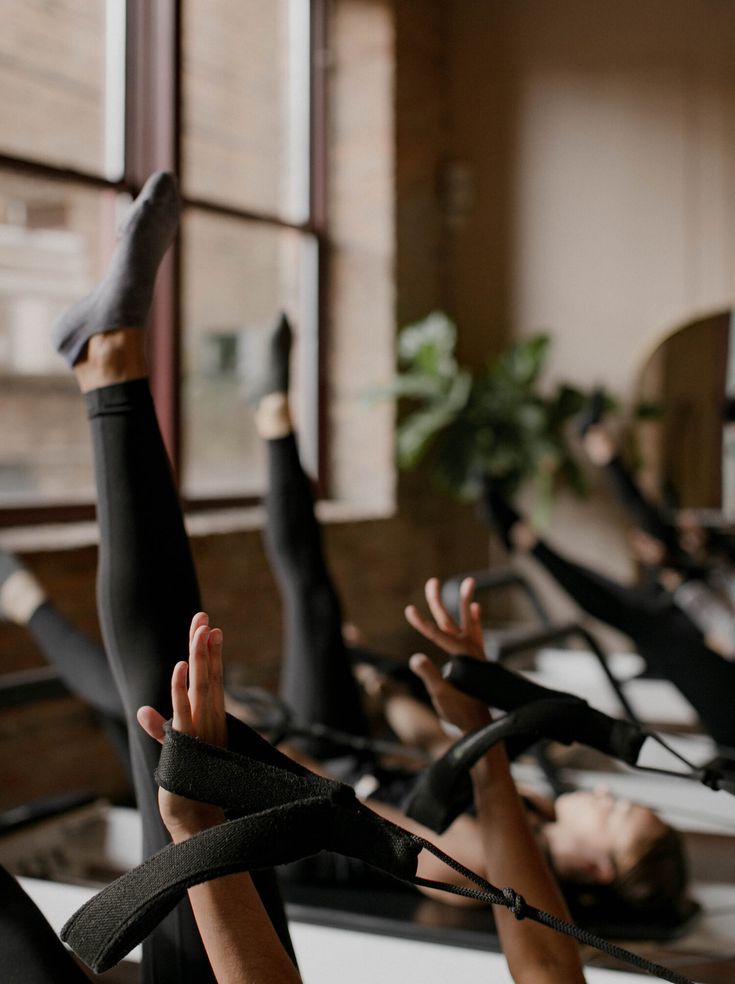
Reformer Pilates
Reformer Pilates enables you to strengthen the body through various ranges of motion to improve mobility without causing injury.
More on Reformer Pilates
Orthopaedics
Our team of orthopaedic partners offer care for a wide range of conditions including knee, hip and ankle to shoulder, elbow, wrist and hand surgery.
More on orthopaedicsWhen to get it looked at
Book an appointment if your sciatica:
- is not improving after a few weeks
- is getting worse or keeps coming back
- is stopping you sleeping, working or doing your usual activities
- is causing weakness in your leg or foot
Go to A&E or call 999 straight away if you have sciatica on both sides, weakness or numbness in both legs that is severe or getting worse, numbness around or under your genitals or bottom, or difficulty starting to pass urine or controlling your bladder or bowels. These can be signs of a rare but serious condition called cauda equina syndrome.
Frequently Asked Questions
How long does it last?
Sciatica usually improves within four to six weeks, but it can last longer, sometimes three months or more, and progress is rarely steady. Leg pain usually settles before any pins and needles or numbness.
Will I need surgery?
Most people do not. In some people surgery eases leg pain sooner, but after a year results with and without surgery are broadly similar. If surgery might help you, we will talk it through and refer you to a spinal surgeon.
Should I rest?
Only for a day or two at most. Staying gently active, within what your leg allows, leads to a better recovery than bed rest. Positions that ease the pain are useful for short spells, but try not to stay in them all day.
What can I do at home?
Keep moving and carry on with your normal activities as much as you can. Gentle walking and stretches often help, and so can changing position regularly rather than sitting for long periods. A wrapped heat or ice pack may ease the pain. Painkillers such as ibuprofen may help, but check with a pharmacist or your GP first that they are suitable for you.
Does a disc go back in?
Not in the way the phrase suggests, and it does not need to. The body gradually reabsorbs disc material, and larger disc bulges often settle more completely than smaller ones. Symptoms ease as the irritation settles.
Do injections help?
For some people. An injection guided to the irritated nerve can reduce severe leg pain enough for you to move and start rehabilitation, particularly in the first few months. It eases the pain while the disc settles, rather than fixing the disc itself.
Is the numbness permanent?
Usually not, although it is often the last symptom to go and can take months. A small patch of lasting numbness is not unusual and rarely affects what you can do. Weakness is the symptom we watch most closely.
Related articles
Keep it simple? Can simple aerobic exercise assist in the management of lower back pain?
The World Health organisation (WHO) stated that in 2020, 619 million people were affected globally...

Lower Back Pain and Pelvic Floor Dysfunction
Lower back pain (LBP) is the most prevalent musculoskeletal injury, as approximately 80% of the...
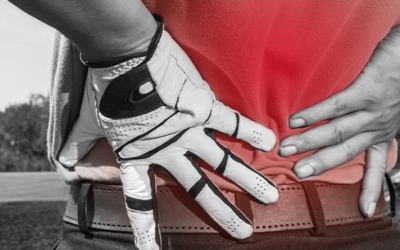
Can regenerative medicine help with back pain?
Back pain is a silent problem amongst the general population, with figures suggesting that...
What our patients say
“From booking an appointment to getting care from nearly every member of the team. They just pop into the appointment and check on progress so you get so much time with everyone on the Opus team.”
Meet the Specialists

Dr David Porter
MB BS DipESM MScSPORT & EXERCISE MEDICINE DOCTOR

Dr Jonathan Korgaonkar
MBBS MRCP FFSEM Pgcert(US) BSc SPORTS MEDICINE DOCTOR

Dr Kush Joshi
MBBS, BSc, MRCP, FFSEM, PGDipSPORTS MEDICINE DOCTOR

Ian Gilham
BSc (Hons) MCSP PHYSIOTHERAPIST
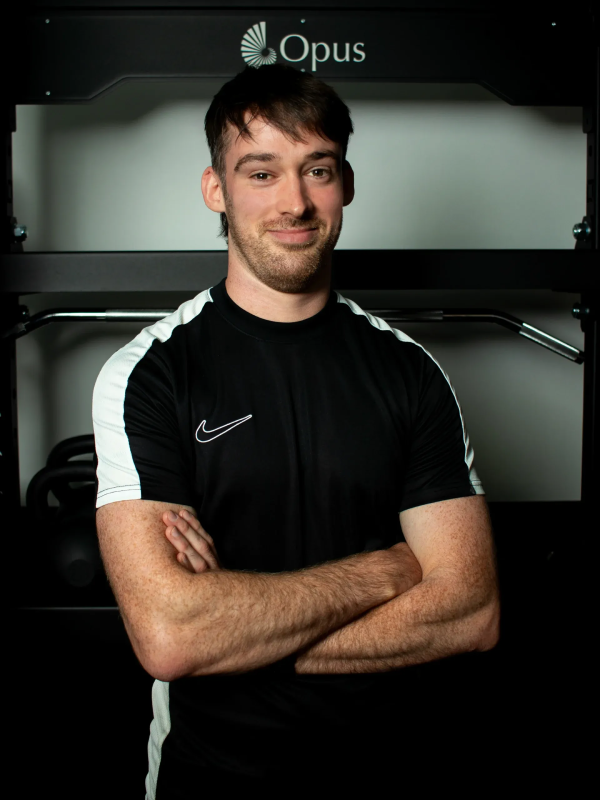
Bart Hudson-Gill
BSc (Hons) CSCSPHYSIOTHERAPIST AND STRENGTH & CONDITIONING COACH
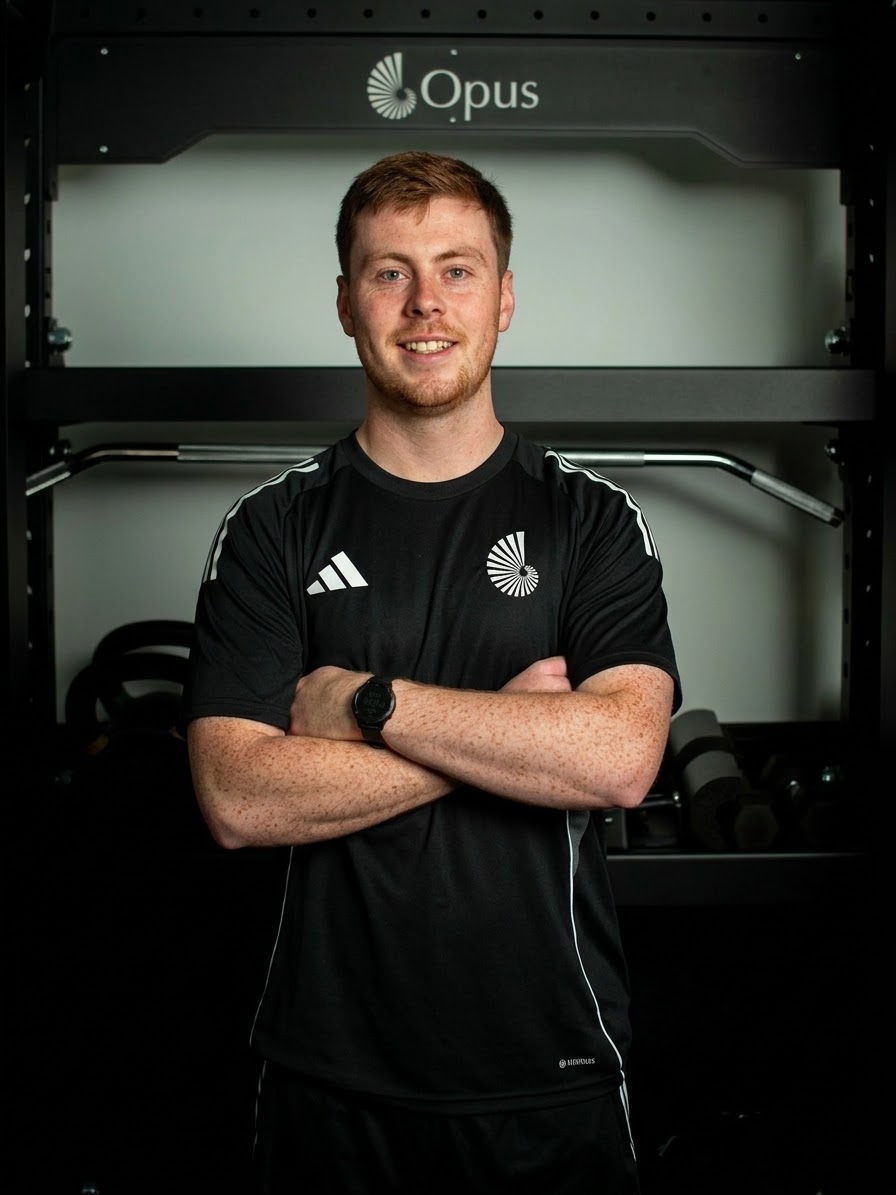
Brian Lynch
BSc (Hons) MCSP PHYSIOTHERAPIST

Gráinne Stapleton
BSc (Hons) PHYSIOTHERAPIST