Neck pain
★★★★★ Rated 4.98 on Doctify from 56 reviews
Neck pain treatment in London
Neck pain is very common and is usually not caused by anything serious. It often comes from muscle strain, stiffness or the way we sit, sleep and work, and most episodes get better on their own within a few weeks.
It is worth having it assessed if it is not settling, keeps coming back, causes headaches, or travels into your shoulder blade or down your arm. Our sports medicine doctors, physiotherapists and osteopath work together, so you get a clear diagnosis and one plan to ease the pain and stop it returning.
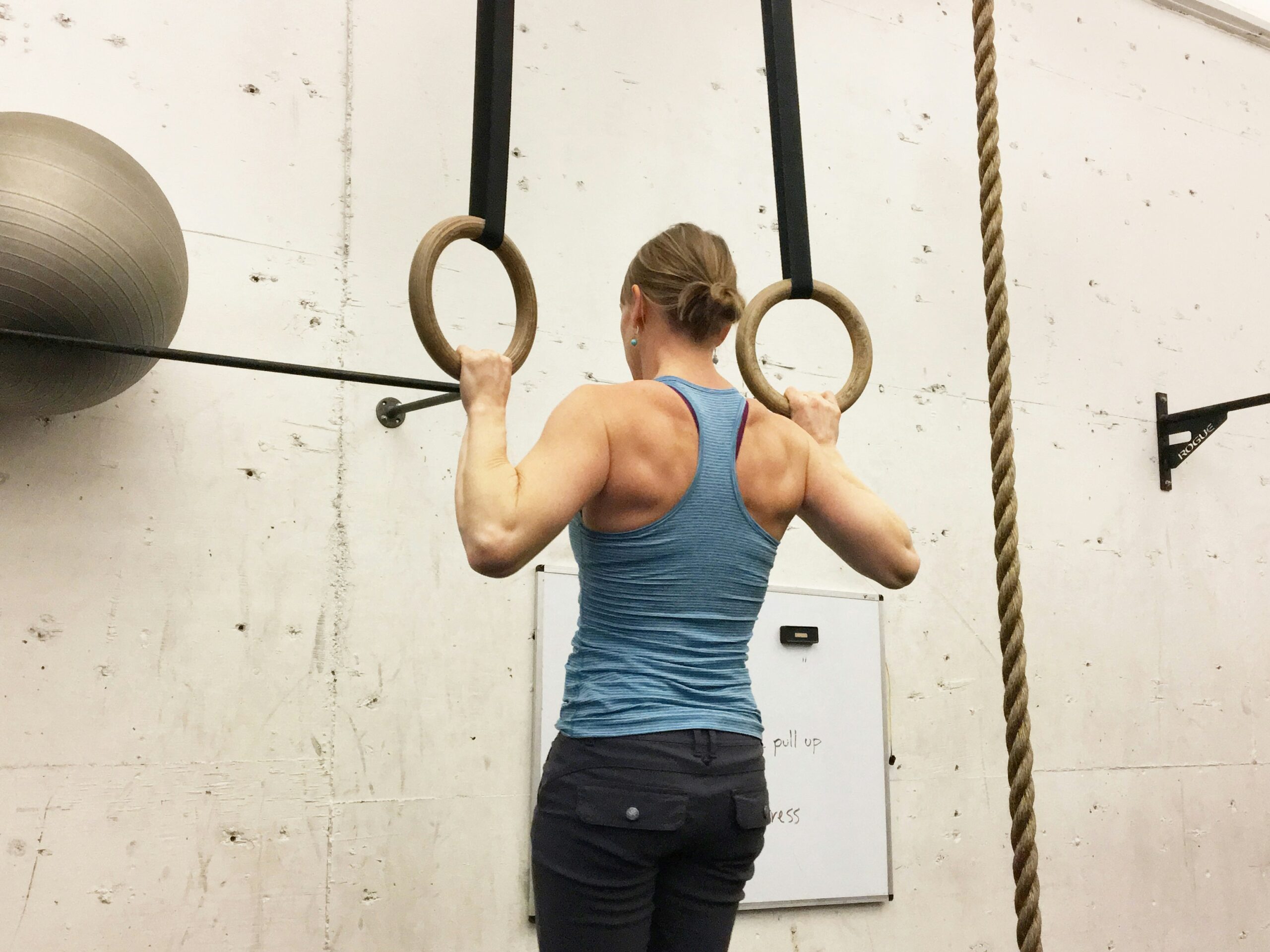
Symptoms
Symptoms of neck pain
Neck pain can feel like stiffness, a dull ache or sharp pain, and it can spread into the shoulders, upper back, head or arm. Where you feel it tells us a lot about where it is coming from. Common symptoms we see in clinic:
Common causes of neck pain
Muscle strain and posture
The most common cause. Sleeping in an awkward position, long hours at a computer or on a phone, carrying heavy bags, sport and stress can all strain the muscles and joints of the neck. How long you hold a position matters more than finding one perfect posture.
A trapped nerve
When a nerve in the neck is irritated or pressed on, pain, pins and needles or weakness can travel down the arm. This is called cervical radiculopathy. Most cases settle over weeks to months without surgery.
Headaches from the neck
The joints at the top of the neck can cause headaches, usually on one side and starting at the base of the skull. They often respond well to treatment aimed at the neck.
Age-related change
Wear in the discs and joints of the neck, sometimes called cervical spondylosis, is very common with age and often causes no pain at all. A scan report can sound alarming, so we take time to explain what it means.
Whiplash and injury
A sudden jolt of the head, such as in a car accident or a fall, can strain the soft tissues of the neck. Pain and stiffness often come on over the following day or two.
About whiplash →The shoulder and upper back
Shoulder problems can cause neck pain, and neck problems can cause shoulder pain, so we examine both. Stiffness in the upper back also changes how hard the neck has to work, particularly in desk-based jobs.
About shoulder pain →How we assess it
Your first appointment includes a detailed history of your symptoms and how they started, and a full examination of the neck, upper back and shoulder, including a check of the nerves if symptoms travel into your arm. We also ask about your desk setup, sleep and activity, and check for the less common causes that need a different approach.
If you need a scan, such as an MRI, we can arrange it. We will explain what we find and agree a treatment plan with you.
If you have already had a scan or seen another clinician, please bring the report or letter with you.
We will see you as soon as we can. There is more on what to expect on our first appointment page, and our fees are listed on our fees and insurance page.
How we treat it

Sports medicine
Sports medicine focuses on the prevention, diagnosis, treatment and rehabilitation of injuries or conditions like osteoarthritis related to sports and physical activity.
More on sports medicine
Physiotherapy
Physiotherapy focuses on the restoration of an individual's movement and function when they are impacted by an injury or illness.
More on physiotherapy
Osteopathy
Osteopathy uses hands-on treatment and exercise to ease pain and help the spine and joints move more freely.
More on osteopathy
Strength and conditioning
Strength and conditioning training is a systematic and structured approach to enhancing athletic performance and overall physical fitness.
More on strength and conditioning
Reformer Pilates
Reformer Pilates enables you to strengthen the body through various ranges of motion to improve mobility without causing injury.
More on Reformer Pilates
Orthopaedics
Our team of orthopaedic partners offer care for a wide range of conditions including knee, hip and ankle to shoulder, elbow, wrist and hand surgery.
More on orthopaedicsWhen to get it looked at
Book an appointment if your neck pain:
- is not improving after two to three weeks
- keeps coming back
- travels below your elbow, or comes with pins and needles or numbness in your arm or hand
- is stopping you sleeping, working or training
Go to A&E or call 999 straight away if you have neck pain after a significant injury or fall, a sudden severe headache unlike any you have had before, weakness, clumsiness or unsteadiness on your feet, problems controlling your bladder or bowels, or neck pain and stiffness with a high temperature and feeling unwell.
Frequently Asked Questions
Do I need an MRI?
Usually not. Many people with no neck pain at all have disc and joint changes on an MRI, so a scan can cause worry without changing your treatment. We recommend one if a nerve is involved and things are not improving as expected, or if a decision about treatment depends on it.
What can I do at home?
Keep moving and carry on with your normal activities as much as you can, including gentle neck movements. A wrapped heat pack can ease stiffness, and a wrapped ice pack can help in the first few days. Take regular breaks from desks and screens. Painkillers such as paracetamol or ibuprofen may help, but check with a pharmacist or your GP first that they are suitable for you. Avoid wearing a neck collar unless a clinician has advised it.
Is it my posture?
Partly, but not in the way it is usually described. There is no single correct posture, and no strong evidence that any one posture causes neck pain. What matters more is how long you stay in one position and how much you move during the day.
Should I use a special pillow?
If a pillow makes you more comfortable, it is worth having. There is no evidence that any particular design prevents neck pain, so choose one that feels comfortable and keeps your neck level with your body.
What does pain down my arm mean?
Usually that a nerve in the neck is irritated. It tends to be more uncomfortable and take longer to settle than simple neck pain, but most cases still get better without surgery. It does need a proper examination first.
Is it safe to have my neck manipulated?
Serious problems are very rare, and manipulation is one option among several. It is not needed for a good recovery, and if you would rather not have it, treatment works well without it.
How long will it take?
Most new episodes of neck pain improve a lot within four to six weeks. Pain coming from a nerve often takes longer, sometimes three months or more, and usually improves gradually rather than all at once.
Related articles
Why Rehabilitation Should Focus on Long-Term Health Management, Not Quick Fixes
Rehabilitation should build long-term resilience, not just resolve short-term pain.

Role of Physiotherapy in Fibromyalgia
Fibromyalgia (FM) is a chronic condition which causes pain throughout the body. Other symptoms...

Calcific Tendinitis of the Rotator Cuff (CTRC)
Calcific tendinitis of the rotator cuff (CTRC) is the accumulation of calcium phosphate within a...
What our patients say
“Ian has been my physio for years, having first been a patient of his in 2017... He is so professional, great banter to put you at ease, and makes sure my back and neck are in good order. I always feel reassured in having Ian as my physio.”
Meet the Specialists

Dr David Porter
MB BS DipESM MScSPORT & EXERCISE MEDICINE DOCTOR

Dr Jonathan Korgaonkar
MBBS MRCP FFSEM Pgcert(US) BSc SPORTS MEDICINE DOCTOR

Dr Kush Joshi
MBBS, BSc, MRCP, FFSEM, PGDipSPORTS MEDICINE DOCTOR

Ian Gilham
BSc (Hons) MCSP PHYSIOTHERAPIST

Bart Hudson-Gill
BSc (Hons) CSCSPHYSIOTHERAPIST AND STRENGTH & CONDITIONING COACH

Brian Lynch
BSc (Hons) MCSP PHYSIOTHERAPIST

Gráinne Stapleton
BSc (Hons) PHYSIOTHERAPIST