Shoulder pain and rotator cuff injuries
★★★★★ Rated 4.98 on Doctify from 56 reviews
Shoulder pain treatment in London
Shoulder pain is pain in or around the shoulder joint. It is very common and is most often caused by a problem with the rotator cuff, the group of muscles and tendons that keep the shoulder stable as it moves. Frozen shoulder, injury, arthritis and pain spreading from the neck are other common causes.
Most shoulder pain gets better within a few weeks to months with the right exercises and advice. If it is not improving, or you cannot use your arm normally, an assessment helps work out where the pain is coming from and what will help.

Symptoms
Symptoms of shoulder pain
Shoulder pain can be a dull ache or a sharp pain, and it may come with stiffness or weakness. Where and when you feel it tells us a lot about the cause. Common symptoms we see in clinic:
Common causes of shoulder pain
Rotator cuff problems
The most common cause. The tendons that support the shoulder become painful, often after doing more than usual, such as decorating, a new gym programme or a lot of overhead sport. You may hear it called impingement or tendinopathy.
Frozen shoulder
The lining of the joint thickens and tightens, so the shoulder becomes painful and then stiff. It often comes on without an injury and is more common between 40 and 60 and in people with diabetes.
About frozen shoulder →Calcific tendinitis
Calcium deposits build up in a rotator cuff tendon and can cause sudden, severe pain, often worse at night.
About calcific tendinitis →Dislocation and instability
A shoulder can dislocate after a fall or a tackle, or feel loose and slip partly out of place. A first dislocation needs prompt assessment.
Pain from the neck
Some shoulder pain is not coming from the shoulder at all. Pain over the shoulder blade, pain below the elbow or pins and needles in the arm usually means the neck needs examining too.
About neck pain →What makes it more likely
Being over 40, repetitive overhead work or sport such as swimming, tennis or racket sports, a sudden increase in training, diabetes and a previous shoulder injury all make shoulder problems more likely. Arthritis in the shoulder also becomes more common with age.
How we assess it
Your first appointment includes a detailed history of your symptoms and how they started, and a full examination of the shoulder and neck, including strength tests in the positions your sport or work uses. A shoulder can test normally at rest and still struggle under load.
If you need a scan, such as an ultrasound or MRI, we can arrange it. We will explain what we find and agree a treatment plan with you.
If you have already had a scan or seen another clinician, please bring the report or letter with you.
We will see you as soon as we can. There is more on what to expect on our first appointment page, and our fees are listed on our fees and insurance page.
How we treat it

Sports medicine
Sports medicine focuses on the prevention, diagnosis, treatment and rehabilitation of injuries or conditions like osteoarthritis related to sports and physical activity.
More on sports medicine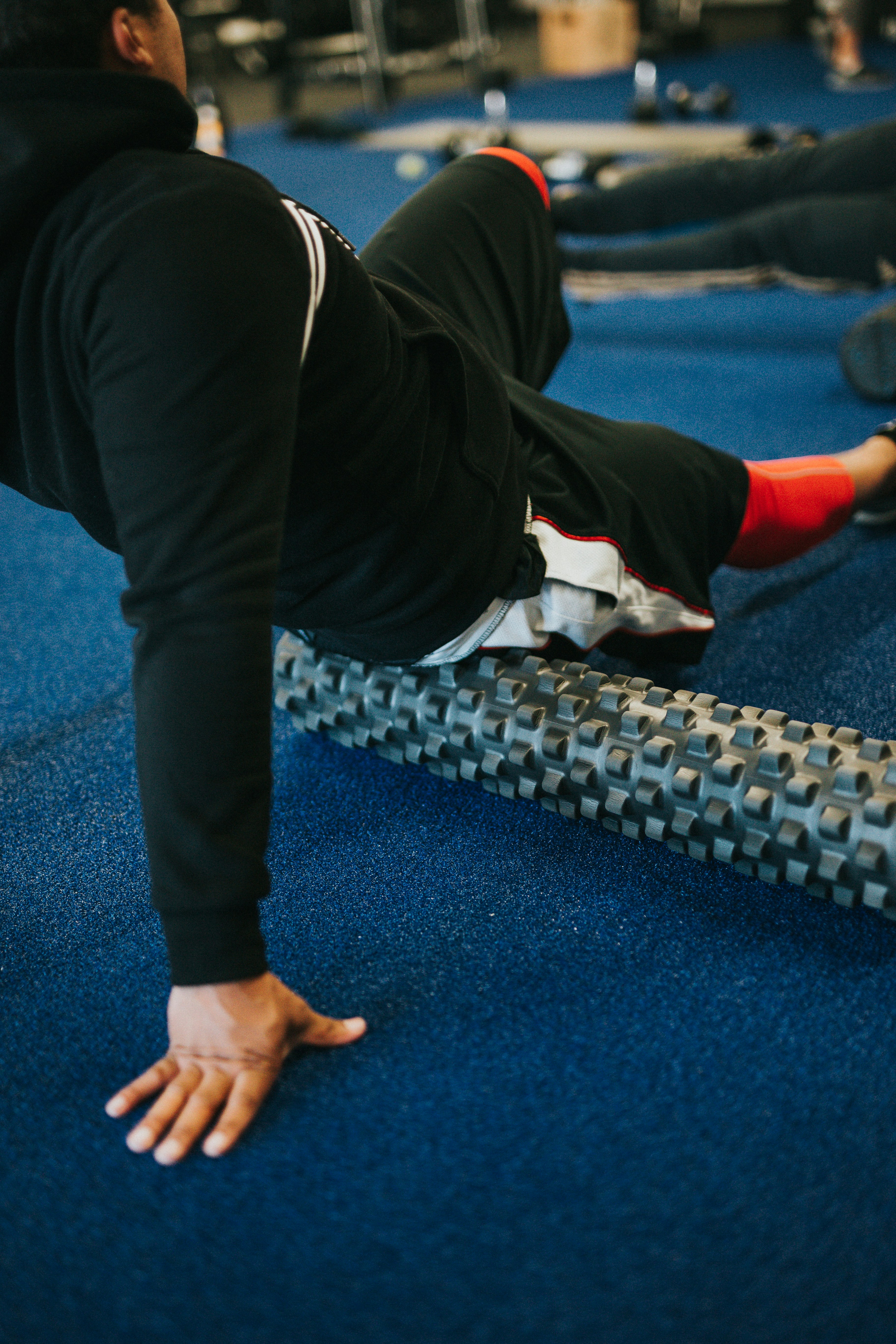
Physiotherapy
Physiotherapy focuses on the restoration of an individual's movement and function when they are impacted by an injury or illness.
More on physiotherapy
Osteopathy
Osteopathy uses hands-on treatment and exercise to ease pain and help the spine and joints move more freely.
More on osteopathy
Strength and conditioning
Strength and conditioning training is a systematic and structured approach to enhancing athletic performance and overall physical fitness.
More on strength and conditioning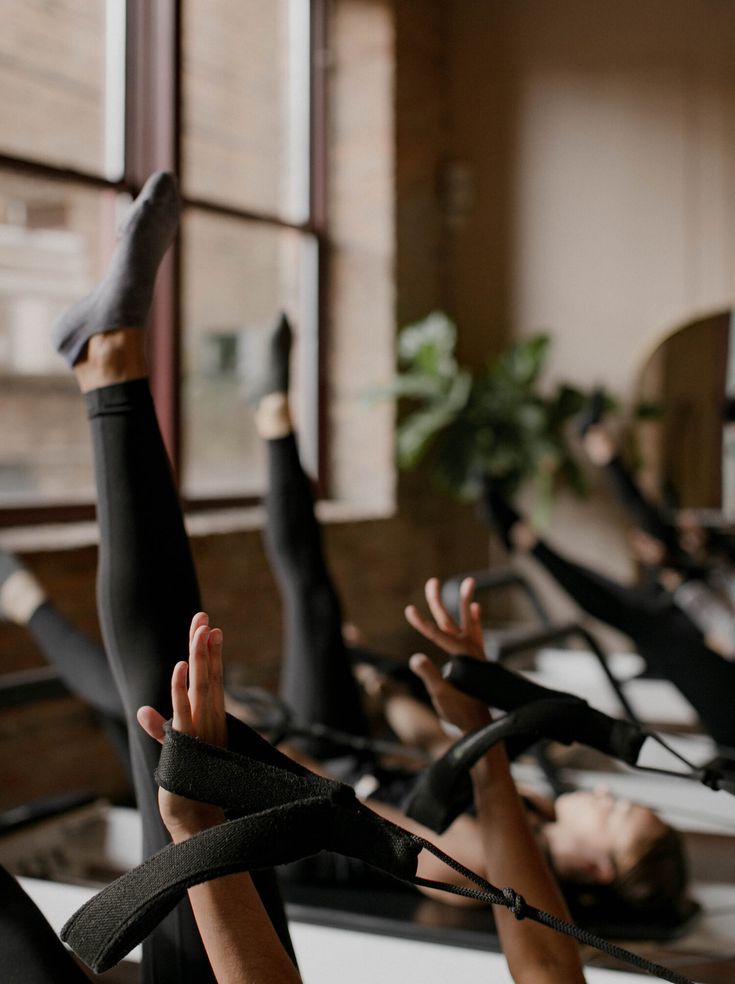
Reformer Pilates
Reformer Pilates enables you to strengthen the body through various ranges of motion to improve mobility without causing injury.
More on Reformer Pilates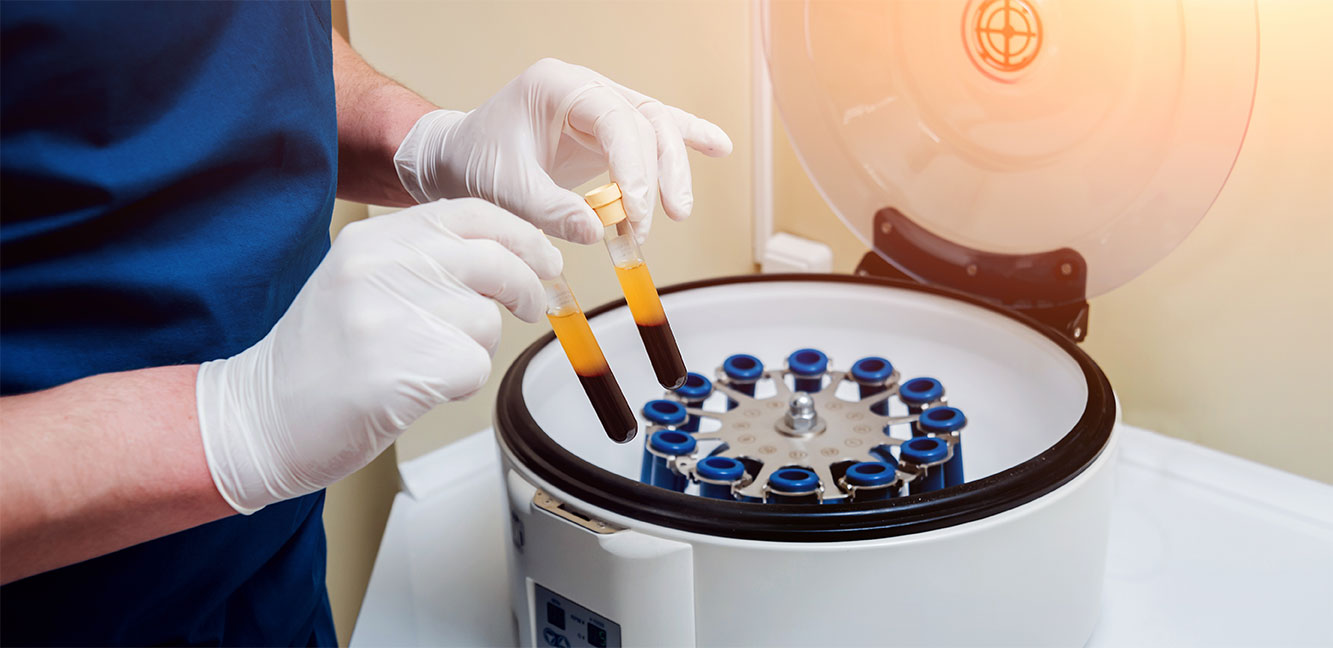
Platelet rich plasma
Platelet rich plasma therapy is a minimally invasive outpatient procedure that uses your own blood to promote healing of injured joints, muscles, tendons and ligaments.
More on platelet rich plasma
Orthopaedics
Our team of orthopaedic partners offer care for a wide range of conditions including knee, hip and ankle to shoulder, elbow, wrist and hand surgery.
More on orthopaedicsWhen to get it looked at
Book an appointment if your shoulder pain:
- is not improving after two weeks
- is stopping you sleeping, working or training
- means you cannot lift your arm normally, or your arm feels weak
- keeps coming back, or your shoulder feels unstable
Go to A&E or call 999 straight away if your shoulder pain started after a fall or injury and the shoulder looks deformed or you cannot move your arm, your arm or hand has gone numb, cold or pale, your shoulder is hot and swollen and you feel unwell or have a high temperature, or you have sudden pain in your shoulder or arm with chest pain, breathlessness or sweating.
Frequently Asked Questions
What can I do at home?
Keep the shoulder moving gently and carry on with your normal activities as much as pain allows, but avoid the movements that make it much worse, such as lifting overhead or carrying heavy bags. Paracetamol or ibuprofen, a wrapped ice pack for the first few days and then a wrapped heat pack can ease the pain. At night, try lying on the other side with a pillow under the sore arm. Try not to rest the arm completely, as it can stiffen.
Do I need a scan?
Usually not at first. Many people without shoulder pain have tendon changes on a scan, so a scan on its own rarely decides treatment. We recommend one after an injury, if there is significant weakness, or if you are not improving as expected, and we can arrange an ultrasound or MRI.
How long does shoulder pain take to get better?
Most rotator cuff pain improves within six to twelve weeks with the right exercises. A frozen shoulder takes much longer, often one to three years to settle completely, although treatment can ease the pain and help movement in the meantime.
Can I keep training?
Usually yes, with changes. Most people can keep training around the shoulder and cut back on overhead or heavy pressing work while it settles. We will help you adjust your programme and build back up.
What is the difference between a frozen shoulder and a rotator cuff problem?
With a rotator cuff problem, the shoulder hurts when you move it but can usually still be moved fully by someone else. With a frozen shoulder, the joint itself is stiff, so it will not move fully even when someone else moves it for you. That simple test is one of the first things we check.
Will I need surgery?
Most people do not. Exercise-based treatment is the first choice for most shoulder problems. Surgery is considered for some tendon tears after an injury, repeated dislocations and problems that do not improve with treatment, and we will refer you to a trusted surgeon if you need one.
Can an injection help?
Sometimes. A steroid injection can ease pain enough for you to do your exercises, particularly with a frozen shoulder or when pain is stopping you sleeping. It is used alongside rehabilitation rather than instead of it.
What are the risks of injections?
Injections carry risks as well as benefits, including soreness at the site, bleeding and, rarely, infection. We go through the risks and the evidence for the specific treatment with you before you decide on anything.
Related articles

Calcific Tendinitis of the Rotator Cuff (CTRC)
Calcific tendinitis of the rotator cuff (CTRC) is the accumulation of calcium phosphate within a...
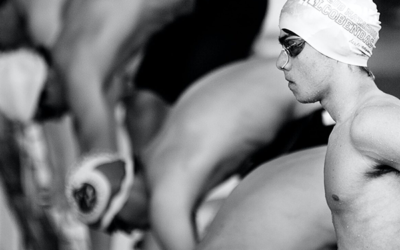
Common shoulder injuries amongst athletes and how we treat them
Acromioclavicular joint injury The acromioclavicular (AC) joint is the point at which two bones,...
What our patients say
“Dr Porter is a consummate professional, made me feel at ease and addressed my issue with speed and skill.”
Meet the Specialists

Dr David Porter
MB BS DipESM MScSPORT & EXERCISE MEDICINE DOCTOR

Dr Jonathan Korgaonkar
MBBS MRCP FFSEM Pgcert(US) BSc SPORTS MEDICINE DOCTOR

Dr Kush Joshi
MBBS, BSc, MRCP, FFSEM, PGDipSPORTS MEDICINE DOCTOR

Ian Gilham
BSc (Hons) MCSP PHYSIOTHERAPIST
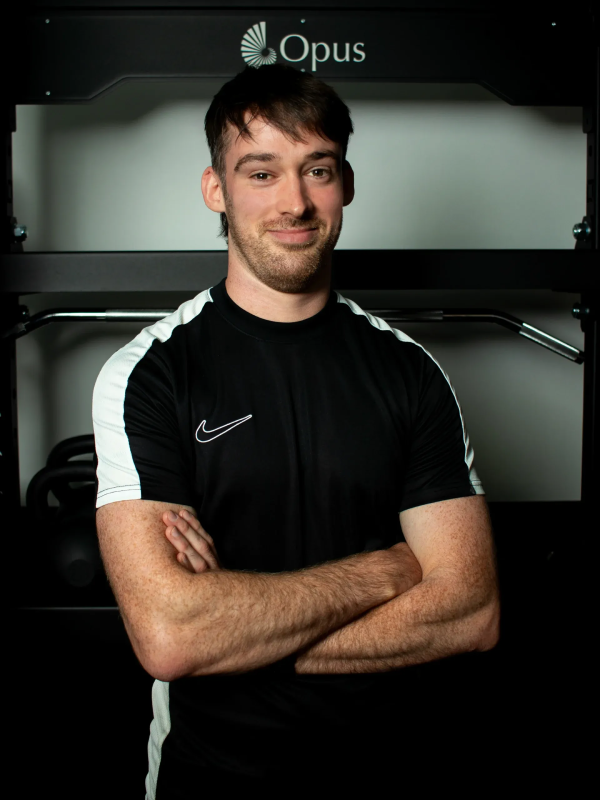
Bart Hudson-Gill
BSc (Hons) CSCSPHYSIOTHERAPIST AND STRENGTH & CONDITIONING COACH
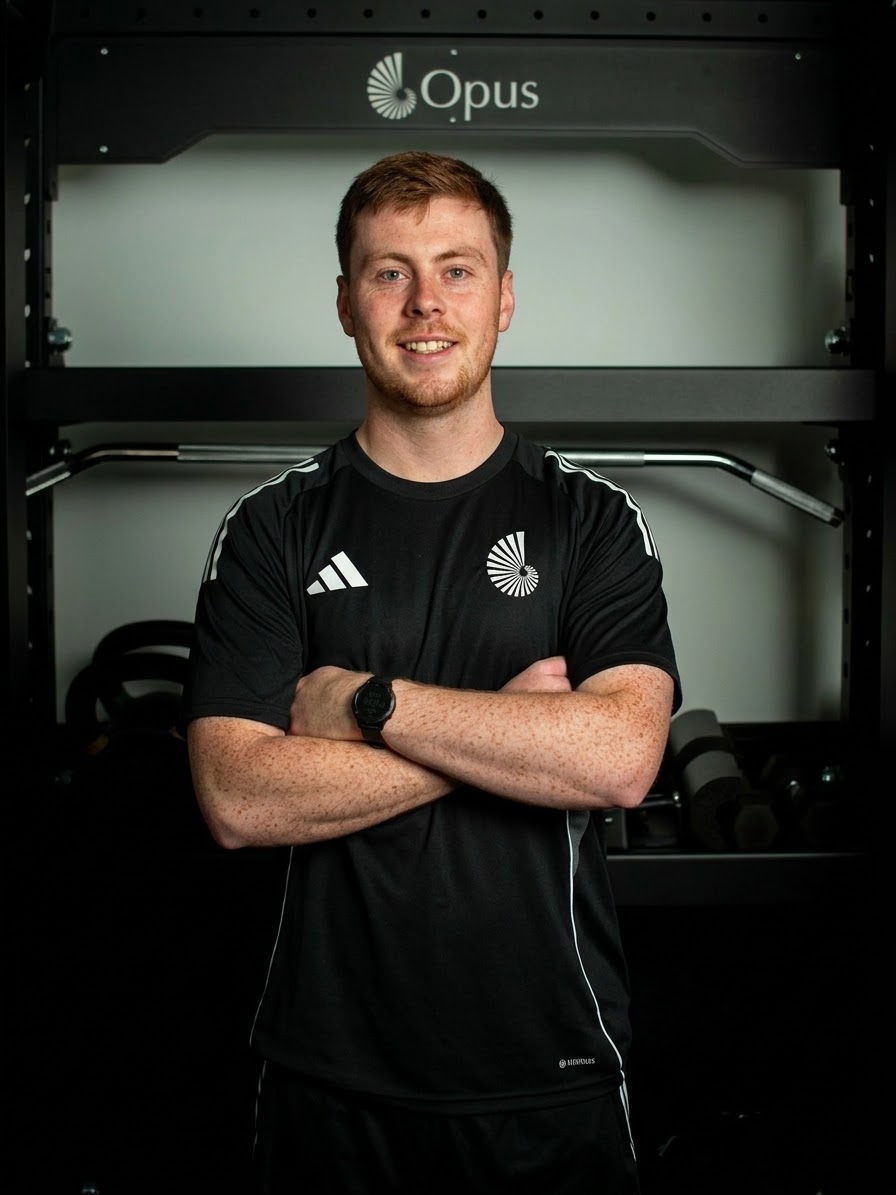
Brian Lynch
BSc (Hons) MCSP PHYSIOTHERAPIST