
Iliotibial band syndrome
★★★★★ Rated 4.98 on Doctify from 56 reviews
Iliotibial band syndrome treatment in London
The iliotibial band (ITB) is a thick band of tissue that runs down the outside of the thigh, from the hip to just below the knee. Iliotibial band syndrome is pain on the outside of the knee, where the band passes over the end of the thigh bone.
It is common in runners and cyclists, and often starts after an increase in training. The pain usually comes on at a predictable point in a run, is worse running downhill or going down stairs, and eases with rest. Most people improve with changes to their training and a structured strengthening programme, particularly for the hip.

SYMPTOMS
What people usually describe
What causes iliotibial band syndrome
The outside of the knee
The pain comes from where the band crosses the bony bump on the outside of the thigh bone, just above the knee. The fatty tissue under the band is squeezed against the bone when the knee is bent to about 30 degrees, which is the angle as your foot lands when running.
The band
The iliotibial band is very stiff and firmly attached along the thigh bone, so stretching makes little difference to its length. Treatment therefore focuses on reducing the load on it rather than on stretching.
The hip muscles
The band is attached to muscles at the side of the hip. When these and the other hip muscles are weak, the pelvis can drop and the thigh turn inwards as you land, which increases the pressure at the outside of the knee.
What often sets it off
A sudden increase in running distance, more downhill running, running on cambered roads, or a change in cycling position such as saddle height.
How we assess it
Your first appointment includes a detailed history of your symptoms and how they started, and a full examination of the knee, including the iliotibial band on the outside of the thigh and knee, and how the knee behaves when you squat, step down and land on one leg. We also look at the hip and ankle, because they affect how the knee moves and how you recover.
If you need a scan, such as an MRI, we can arrange it. We will explain what we find and agree a treatment plan with you.
If you have already had a scan or seen another clinician, please bring the report or letter with you.
We will see you as soon as we can. Our fees are listed on our fees and insurance page.
How we treat it
Sports medicine
A sports medicine doctor confirms the diagnosis, rules out other causes of pain on the outside of the knee, and arranges a scan if needed. If the pain does not settle with rehabilitation, they can discuss other options, such as an injection.
More on sports medicine
Physiotherapy
Your physiotherapist builds a programme to strengthen the hip and thigh, and adjusts your training in the short term so the knee can settle while you stay active.
More on physiotherapy
Strength and conditioning
Once the pain has settled, strength and conditioning work builds the hip and leg strength you need to return to full training and reduce the chance of it coming back.
More on strength and conditioning
Performance testing
Running analysis looks at your technique, including your cadence and how the knee moves as your foot lands, so changes can be made where they will help.
More on performance testing
Podiatry
A podiatrist assesses your feet and footwear, and recommends changes or insoles if the way your foot lands is adding to the load on the knee.
More on podiatryWhen to get it looked at
Book an assessment if the pain has not improved after two to three weeks of reduced running, or if it keeps coming back at the same point in your runs.
Get it looked at promptly if the knee swells, locks or gives way, if it is tender directly over the bone, or if the pain builds steadily through a run rather than coming on at a set point. These can point to a different problem. Contact us, speak to your GP or call NHS 111.
Frequently Asked Questions
Should you foam roll IT band syndrome?
Stretching and foam rolling can ease the discomfort for a short time, but they do not lengthen the band, which is very stiff tissue. Reducing the load on the outside of the knee, through hip strengthening and changes to your training, works better.
Why does IT band pain start at the same point in a run?
Each stride bends the knee to about 30 degrees as your foot lands, which squeezes the tissue under the band. The irritation builds over the run until it becomes painful, and it usually settles soon after you stop.
Can I still run with IT band syndrome?
Usually yes, with changes. Running shorter distances, on flat ground, and avoiding downhills for a while often lets you keep training while it settles. Your physiotherapist will agree a plan with you.
How long does IT band syndrome take to heal?
Most people improve within six to eight weeks with the right programme. It can take longer if the pain has been there for some time.
Do you need a scan for IT band syndrome?
Usually not. The diagnosis is normally made from your history and an examination. We may arrange a scan if your symptoms are unusual or not improving.
Do steroid injections help IT band syndrome?
A steroid injection can ease the pain in the short term if other treatment has not helped. It does not replace rehabilitation. Your sports medicine doctor will discuss the benefits and risks with you.
Related articles

Importance of calf capacity
The Importance of Good Calf Muscle Capacity in Preventing and Rehabilitating Lower Limb Injuries...

Sometimes – less means more
Unfortunately, sometimes we come face to face with patients who have a rather long road ahead of...

Recovering from Delayed Onset Muscle Soreness
Delayed onset muscle soreness (DOMS) is defined as ‘ultrastructural damage of muscle cells due to...
Meet the Specialists

Dr David Porter
MB BS DipESM MScSPORT & EXERCISE MEDICINE DOCTOR

Dr Jonathan Korgaonkar
MBBS MRCP FFSEM Pgcert(US) BSc SPORTS MEDICINE DOCTOR

Dr Kush Joshi
MBBS, BSc, MRCP, FFSEM, PGDipSPORTS MEDICINE DOCTOR
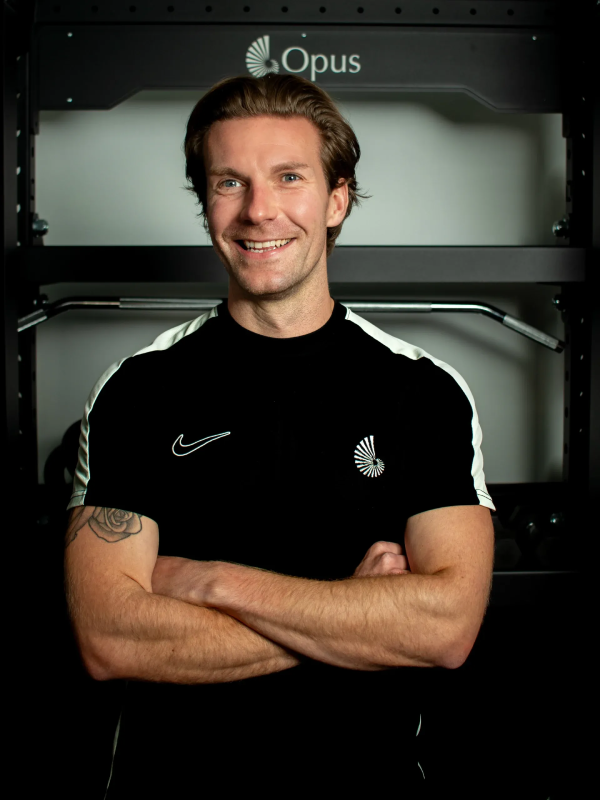
Ian Gilham
BSc (Hons) MCSP PHYSIOTHERAPIST
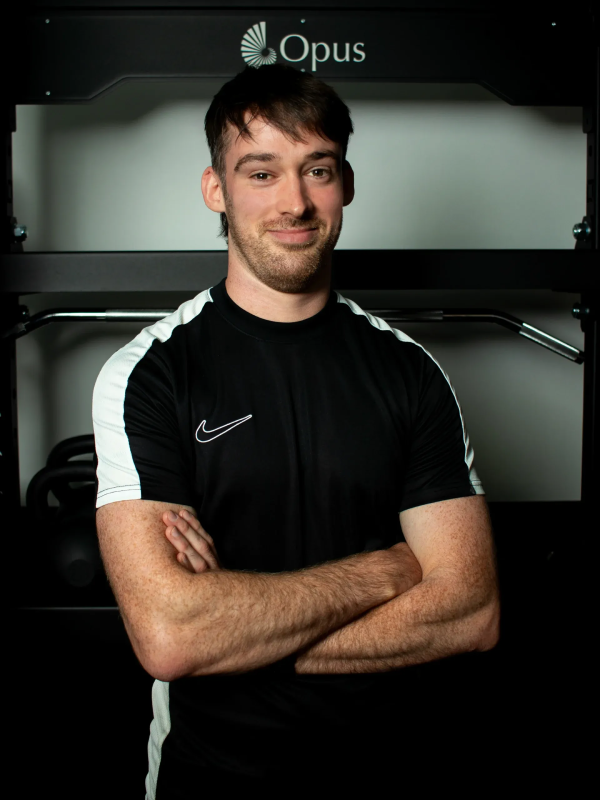
Bart Hudson-Gill
BSc (Hons) CSCSPHYSIOTHERAPIST AND STRENGTH & CONDITIONING COACH
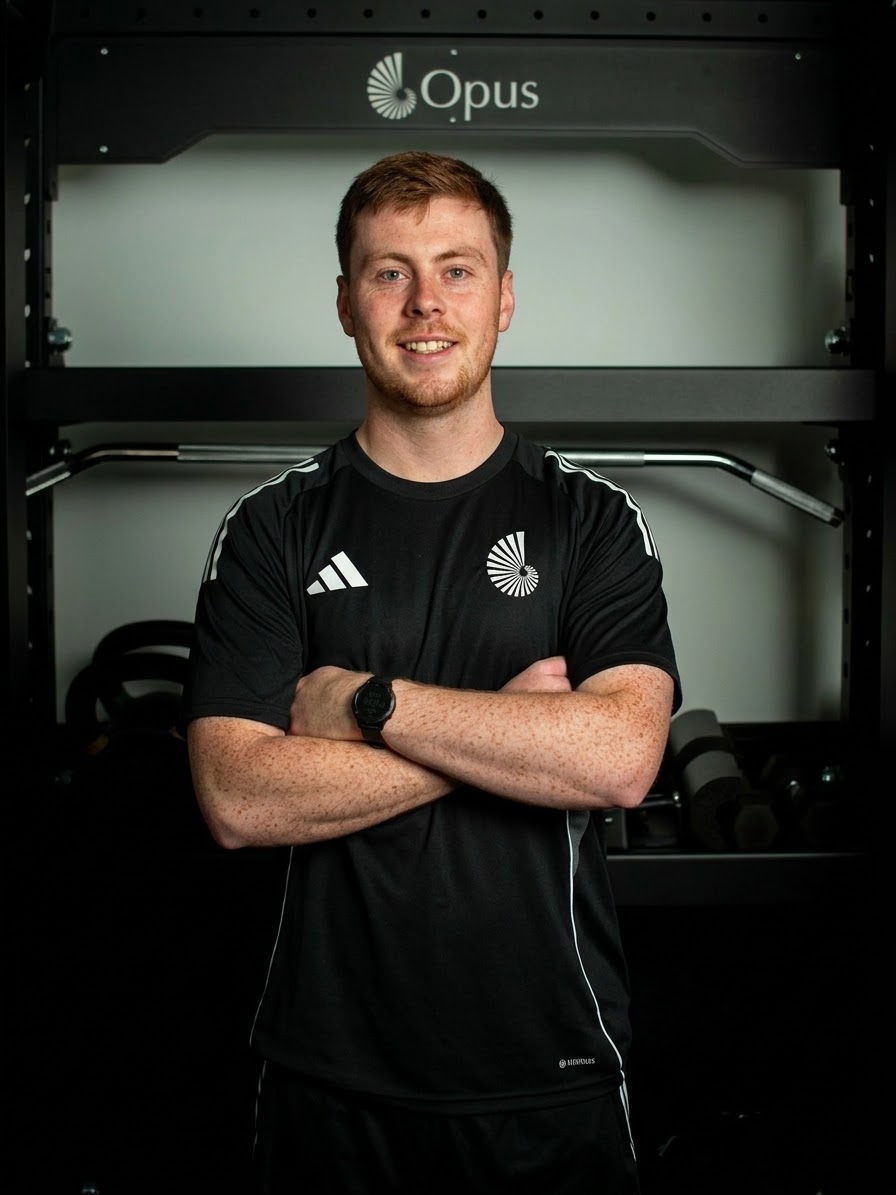
Brian Lynch
BSc (Hons) MCSP PHYSIOTHERAPIST
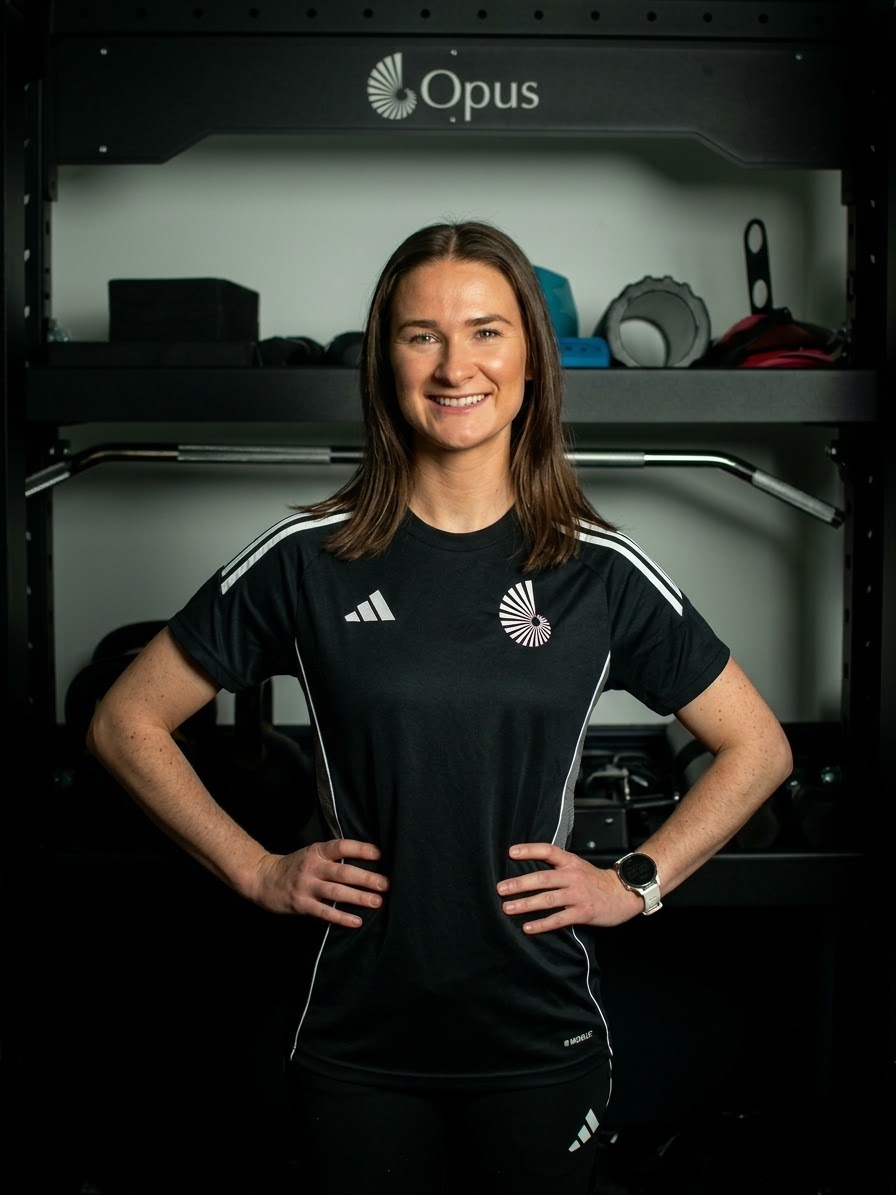
Gráinne Stapleton
BSc (Hons) PHYSIOTHERAPIST
Gavin Eivers
BSc (Hons)STRENGTH & CONDITIONING COACH
Book an appointment
Our specialists are here to help. Book your appointment and take the first step towards better health.