
Kneecap pain and patellofemoral pain
★★★★★ Rated 4.98 on Doctify from 56 reviews
Patellofemoral and kneecap pain treatment in London
The kneecap (patella) sits in a groove at the front of the thigh bone. As you bend and straighten your knee, it glides up and down this groove. Patellofemoral pain is pain around or behind the kneecap, where it meets the thigh bone.
It is one of the most common causes of knee pain, particularly in runners and other active people, and often starts after a change in training or activity. The pain is usually worse on stairs, when squatting or kneeling, or after sitting for a long time with the knee bent. Most people improve with a structured exercise programme that builds strength in the hip and thigh.
Medically reviewed by Dr Jonathan Korgaonkar, MBBS MRCP FFSEM Pgcert(US) BSc, Sport and Exercise Medicine Consultant · Last reviewed 9 September 2026 · Next review September 2027

SYMPTOMS
What people usually describe
What causes kneecap pain
The joint behind the kneecap
The pain comes from the joint between the back of the kneecap and the thigh bone. Pressure here rises as the knee bends, which is why stairs, squatting and kneeling are often painful. Softening of the cartilage on the back of the kneecap often shows on scans, but it is also common in people with no pain.
The thigh muscles
The quadriceps at the front of the thigh control the kneecap and absorb load as the knee bends. When they are weak or tired, more load passes through the joint behind the kneecap.
The hip muscles
The muscles at the side and back of the hip stop the thigh turning inwards. When they are weak, the kneecap can track less well in its groove.
The foot and ankle
A stiff ankle or a foot that rolls inwards can change how the knee bends and takes load, particularly when running or landing.
What often sets it off
A change in activity, such as a new running plan, more hills or stairs, a return to sport or more time on your feet. How quickly the load increases matters more than the total amount.
How we assess it
Your first appointment includes a detailed history of your symptoms and how they started, and a full examination of the knee, including how the kneecap moves and how the knee behaves when you squat, step down and land on one leg. We also look at the hip and ankle, because they affect how the knee moves and how you recover.
If you need a scan, such as an MRI, we can arrange it. We will explain what we find and agree a treatment plan with you.
If you have already had a scan or seen another clinician, please bring the report or letter with you.
We will see you as soon as we can. Our fees are listed on our fees and insurance page.
How we treat it
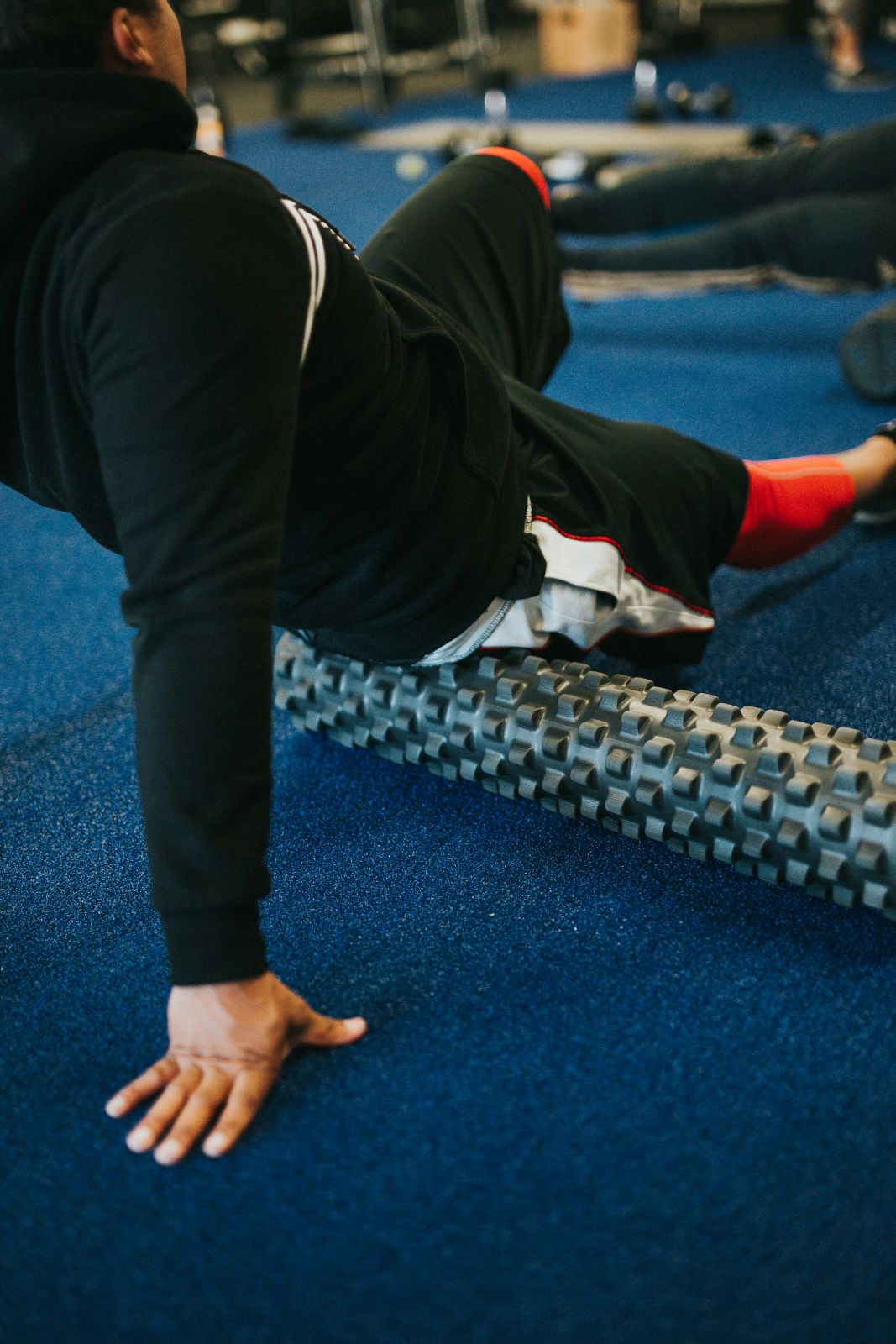
Physiotherapy
Physiotherapy focuses on the restoration of an individual's movement and function when they are impacted by an injury or illness.
More on physiotherapy
Strength and conditioning
Strength and conditioning training is a systematic and structured approach to enhancing athletic performance and overall physical fitness.
More on strength and conditioning
Podiatry
Podiatry focuses on maintaining and enhancing foot and ankle health as well as overall lower limb function.
More on podiatryWhen to get it looked at
Worth assessing once it has lasted more than three or four weeks, or sooner if it is changing how you train, because the programmes that work are specific and guessing at them usually wastes months.
Get it looked at promptly if the knee locks and will not straighten, if it swelled within hours of an injury, if you cannot bear weight, or if it gives way suddenly and without pain. Contact us, speak to your GP, or call NHS 111.
Frequently Asked Questions
Is my kneecap wearing out?
Almost certainly not. Softening behind the kneecap is found in plenty of people with no pain at all, and this condition does not reliably progress to arthritis. The word that gets used matters, because believing a joint is degenerating changes what people do.
Should I stop running?
Usually not. Reducing volume and avoiding the hills and speed that aggravate it, while building strength, works better than stopping. The plan is about redirecting training rather than pausing it.
Do I need a knee brace?
Taping or a brace can reduce pain enough to let you train, and it changes nothing about the underlying capacity. Useful as a temporary aid, not as a treatment.
Why does it hurt after sitting?
Holding the knee bent keeps the kneecap loaded against the thigh bone for a sustained period. It is such a characteristic feature that it has a name, and it is one of the more useful clues in the assessment.
How long does it take?
Six to twelve weeks of consistent strength work for meaningful change, and longer to get back to hills and deep squatting. Progress is measured in what the knee tolerates rather than in how it feels day to day.
Do I need a scan?
Rarely. A careful examination establishes this diagnosis, and imaging tends to add worry rather than information. It earns its place where the history does not fit or where something structural is suspected.
Related articles

Regenerative Medicine Explained
The term stem cell therapy often sparks curiosity, and confusion. In the UK, regenerative medicine...
A New Approach to Managing Osteoarthritis: The Role of Stem Cell Therapy and Regenerative Medicine
Understanding Osteoarthritis and Its Impact Osteoarthritis (OA) is one of the most common joint...
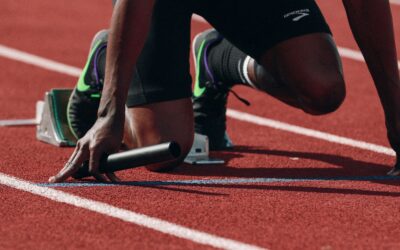
The Importance of Criteria-Based ACL Rehabilitation: A Structured Approach
Recovering from an ACL injury can be daunting, but with the right plan, our patients can rebuild...
Meet the Specialists

Dr David Porter
MB BS DipESM MScSPORT & EXERCISE MEDICINE DOCTOR
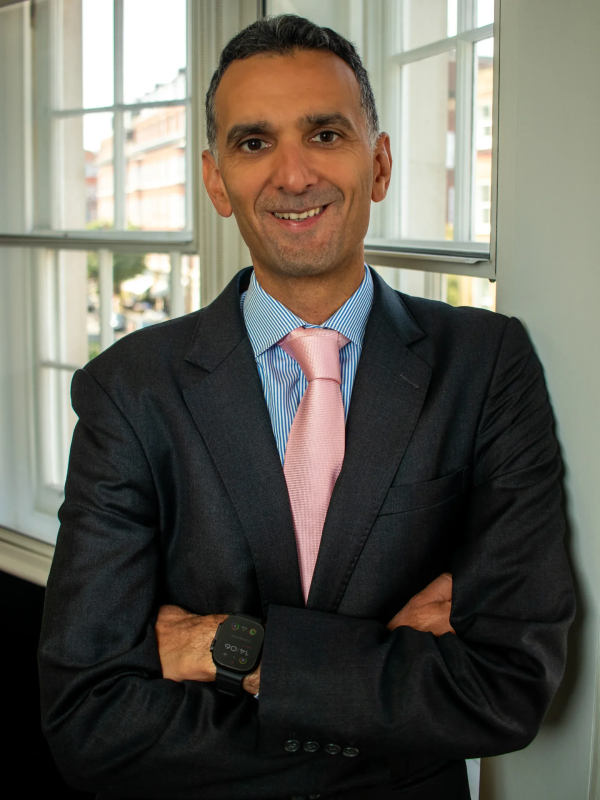
Dr Jonathan Korgaonkar
MBBS MRCP FFSEM Pgcert(US) BSc SPORTS MEDICINE DOCTOR

Dr Kush Joshi
MBBS, BSc, MRCP, FFSEM, PGDipSPORTS MEDICINE DOCTOR
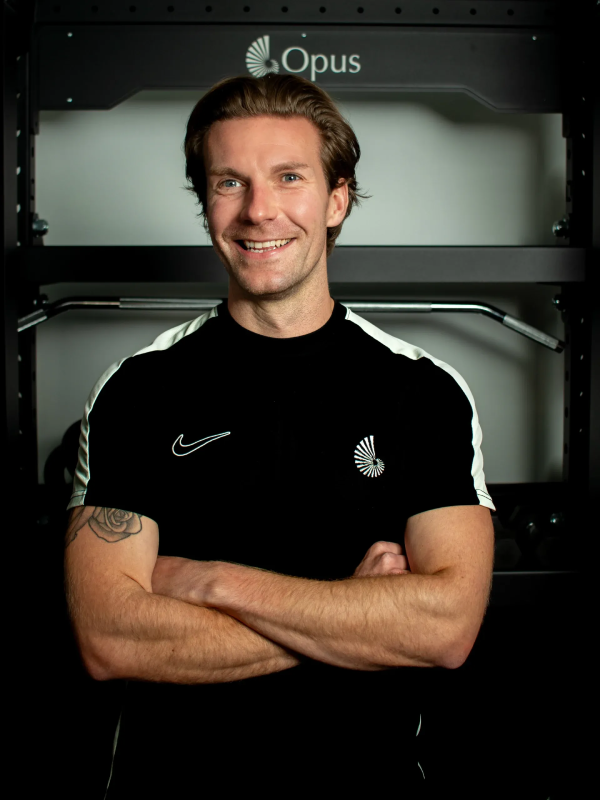
Ian Gilham
BSc (Hons) MCSP PHYSIOTHERAPIST
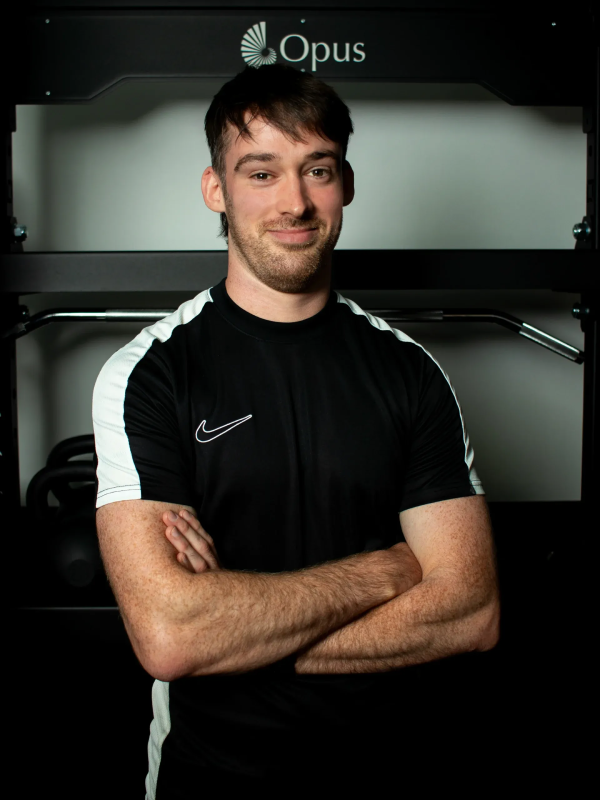
Bart Hudson-Gill
BSc (Hons) CSCSPHYSIOTHERAPIST AND STRENGTH & CONDITIONING COACH
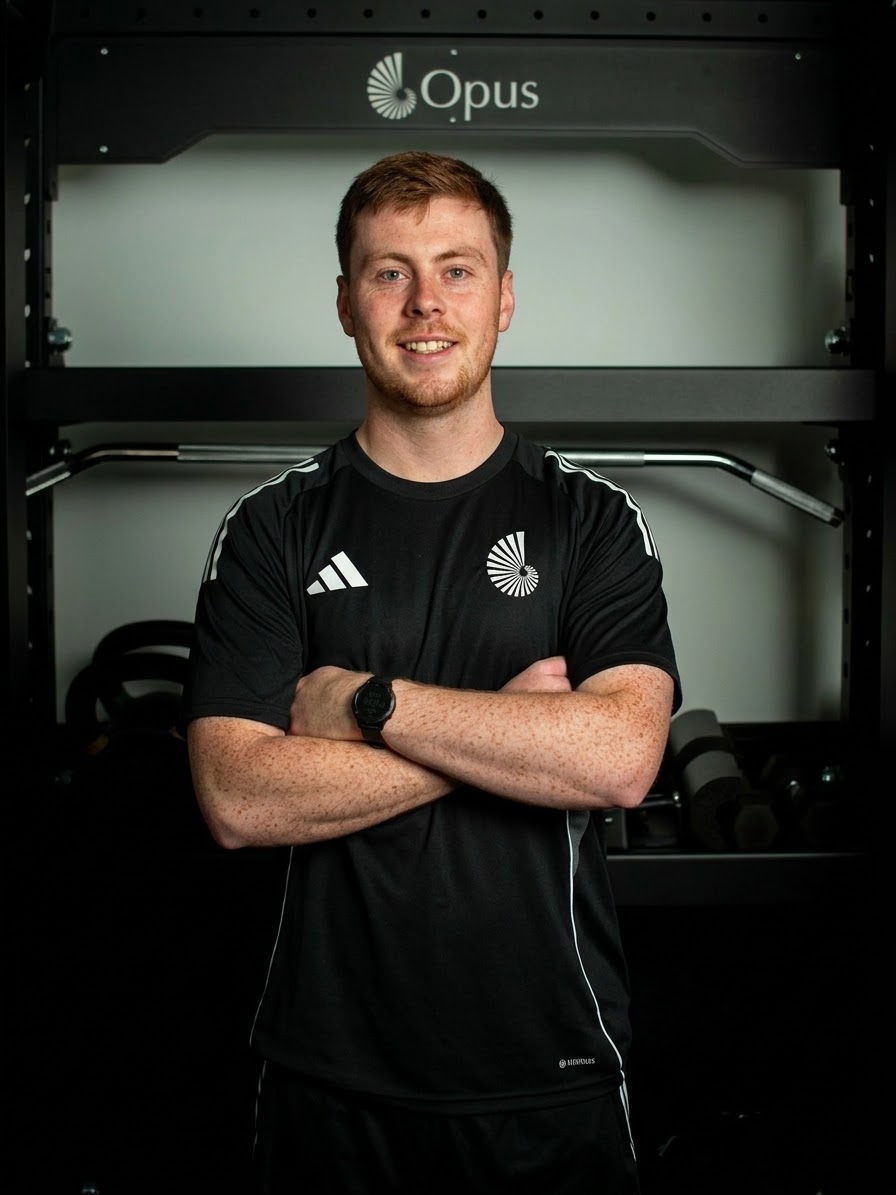
Brian Lynch
BSc (Hons) MCSP PHYSIOTHERAPIST
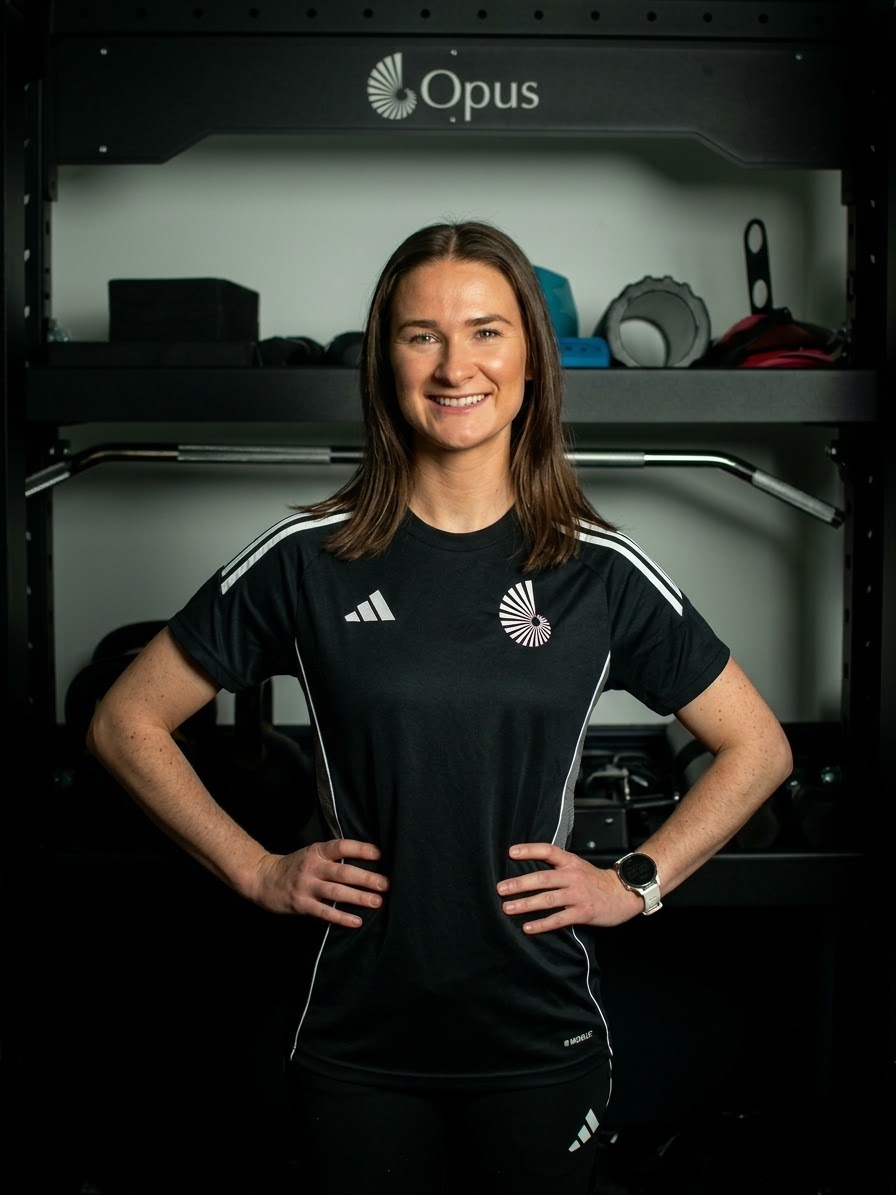
Gráinne Stapleton
BSc (Hons) PHYSIOTHERAPIST
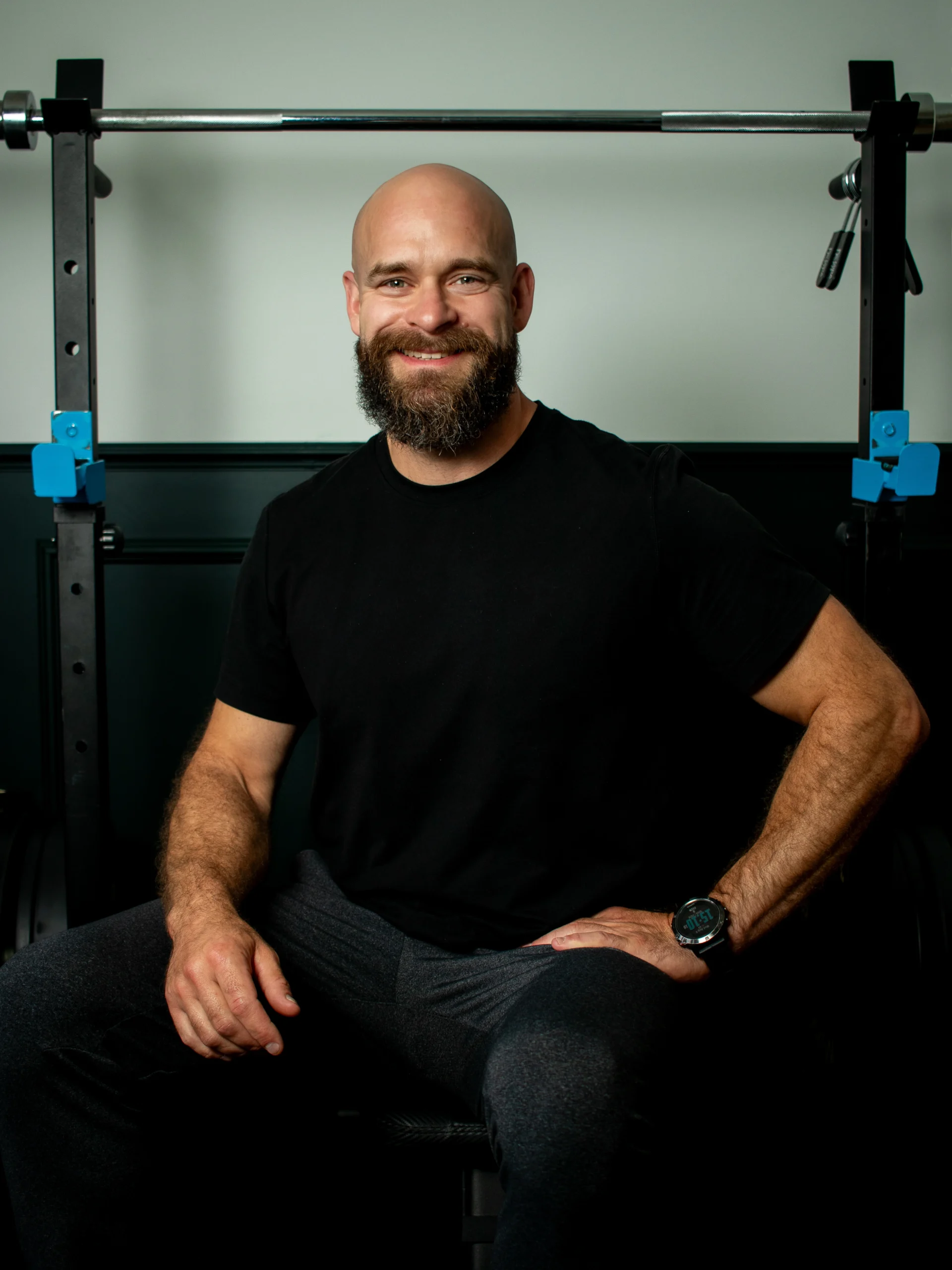
Gavin Eivers
BSc (Hons)STRENGTH & CONDITIONING COACH
Book an appointment
Our specialists are here to help. Book your appointment and take the first step towards better health.