
Knee ligament injuries
★★★★★ Rated 4.98 on Doctify from 56 reviews
Knee ligament injury treatment in London
The knee has four main ligaments: the anterior cruciate (ACL), posterior cruciate (PCL), medial collateral (MCL) and lateral collateral (LCL). They keep the joint stable, and they are usually injured by a twist, a sudden change of direction, an awkward landing or a direct blow.
Common signs are swelling within a few hours, pain on the inside or outside of the knee, and a feeling that the knee might give way. Treatment depends on which ligament is injured and how badly. Many ligament injuries are managed with structured rehabilitation; some benefit from an orthopaedic opinion, which we can arrange.
SYMPTOMS
What people usually describe
What causes knee ligament injuries
Anterior cruciate ligament injuries
Usually a non contact pivot or landing, with rapid swelling and a knee that no longer feels reliable when turning. The important decision is not surgery or no surgery at the first appointment, but a proper rehabilitation programme that restores strength and control, after which the decision is made on how the knee actually performs.
Medial collateral ligament injuries
A blow to the outside of the knee, or a twist that opens the inside. The great majority heal without surgery, and they heal well, provided the rehabilitation restores full range and strength rather than simply waiting for the pain to stop.
Lateral and posterolateral injuries
Less common and more consequential. Injuries to the outer corner of the knee are easy to underestimate and often occur alongside a cruciate injury, which is why the whole knee is examined rather than the painful part of it.
Posterior cruciate ligament injuries
Typically a direct blow to the front of a bent knee, on a dashboard or a pitch. Many are managed without surgery, with a rehabilitation emphasis quite different from an anterior cruciate injury.
What often comes with it
Ligament injuries frequently occur alongside meniscal tears and injuries to the joint surface. That is one of the reasons rapid swelling matters, and why an examination looks beyond the ligament that is obviously sore.
If that does not sound like your knee, the other knee problems we see most often are knee pain, meniscal injuries, kneecap pain, iliotibial band syndrome, patellar tendinopathy and osteoarthritis.
How we assess it
Your first appointment includes a detailed history of how the injury happened and a full examination of the knee, including tests of each ligament. We also look at the hip and ankle, because they affect how the knee moves and how you recover.
If you need a scan, such as an MRI, we can arrange it. We will explain what we find and agree a treatment plan with you.
If you have already had a scan or seen another clinician, please bring the report or letter with you.
We will see you as soon as we can. Our fees are listed on our fees and insurance page.
How we treat it
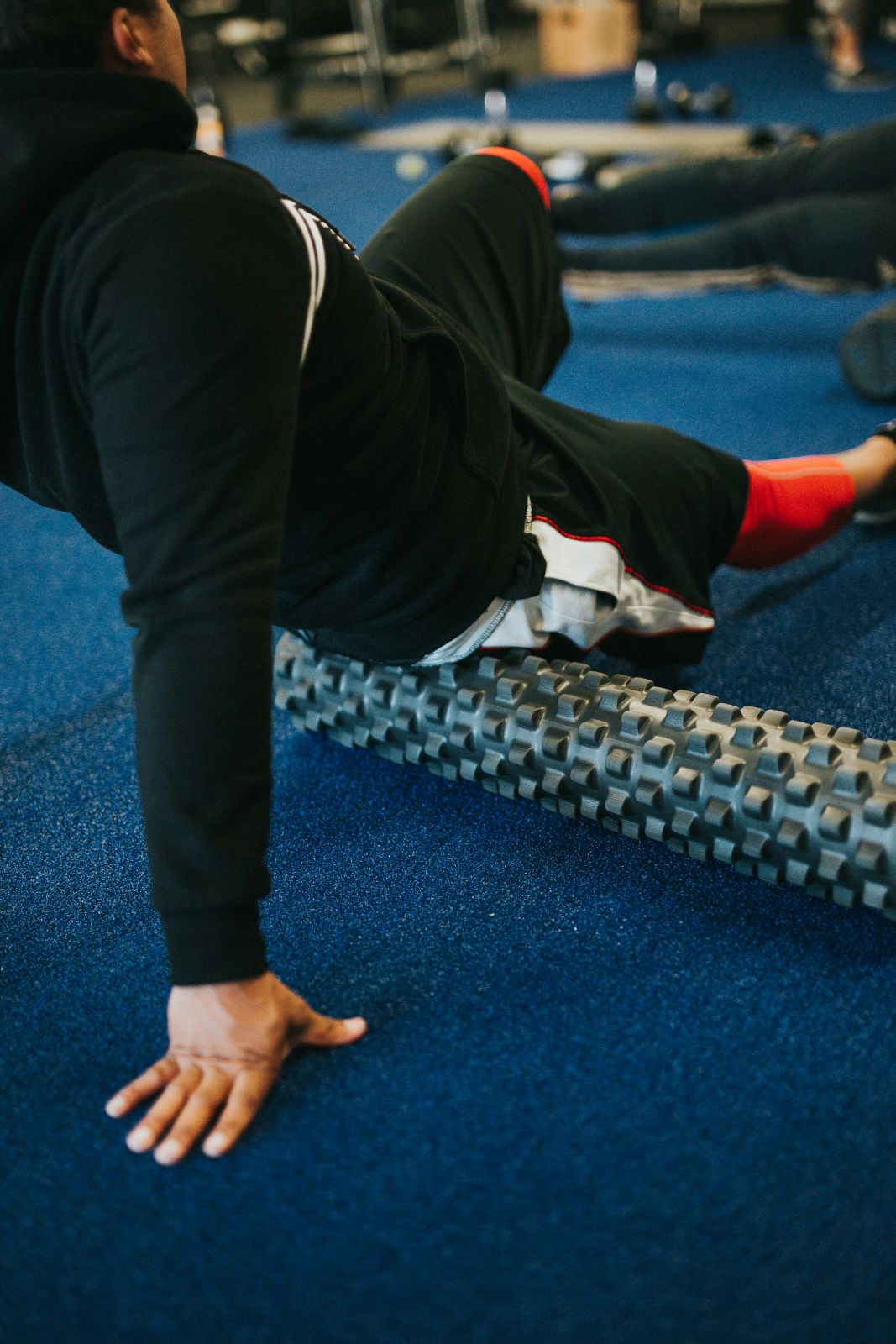
Physiotherapy
Physiotherapy focuses on the restoration of an individual's movement and function when they are impacted by an injury or illness.
More on physiotherapy
Sports medicine
Sports medicine focuses on the prevention, diagnosis, treatment and rehabilitation of injuries or conditions like osteoarthritis related to sports and physical activity.
More on sports medicine
Orthopaedics
Our team of orthopaedic partners offer care for a wide range of conditions including knee, hip and ankle to shoulder, elbow, wrist and hand surgery.
More on orthopaedicsWhen to get it looked at
A knee that swelled within a few hours of an injury, or that feels unstable, should be assessed within a few days rather than left to settle. Early diagnosis changes the rehabilitation, and a knee that keeps giving way is doing further damage each time it does.
Get it looked at the same day if you cannot bear weight, if the knee is locked and will not straighten, if it looks out of shape after an injury, or if the foot is cold, numb or pale. Contact us, speak to your GP, or call NHS 111, and go to an emergency department if the knee is deformed.
Frequently Asked Questions
Do all anterior cruciate injuries need surgery?
No. A meaningful number of people return to activity, including some sport, without reconstruction. The decision is best made after a proper rehabilitation programme, when it can be based on how the knee actually performs rather than on the scan alone.
How quickly do I need to be seen?
Within days rather than weeks if the knee swelled quickly or feels unstable. Early assessment does not usually change the surgical timing, but it changes the rehabilitation, and it identifies the injuries that do need urgent attention.
How long until I am back to sport?
For an isolated medial collateral injury, often four to eight weeks. For a cruciate reconstruction, nine to twelve months is realistic, and returning earlier is one of the strongest predictors of a second injury.
Does a brace help?
For some injuries in the early phase, yes, particularly medial collateral injuries. As a long term substitute for strength and control it does very little, which is why it is used as part of a plan rather than as the plan.
Will my knee get arthritis afterwards?
A ligament injury does raise the risk over the following decades. It is not inevitable, and what happens in the years afterwards, particularly strength and load tolerance, makes a genuine difference.
Why does my knee still give way after it stopped hurting?
Pain settles long before control returns. Instability is usually a strength and neuromuscular problem rather than a pain problem, and it is the part of rehabilitation most often stopped too early.
Related articles
Regenerative Medicine Explained
The term stem cell therapy often sparks curiosity, and confusion. In the UK, regenerative medicine...
A New Approach to Managing Osteoarthritis: The Role of Stem Cell Therapy and Regenerative Medicine
Understanding Osteoarthritis and Its Impact Osteoarthritis (OA) is one of the most common joint...
The Importance of Criteria-Based ACL Rehabilitation: A Structured Approach
Recovering from an ACL injury can be daunting, but with the right plan, our patients can rebuild...
What our patients say
"Loved working with the whole team at Opus. They really make it easy and make you feel like the star."
Meet the Specialists
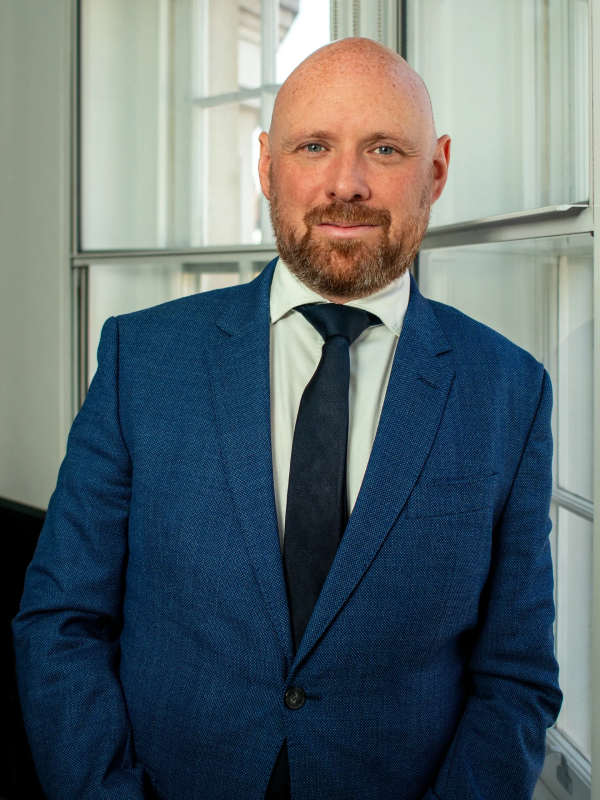
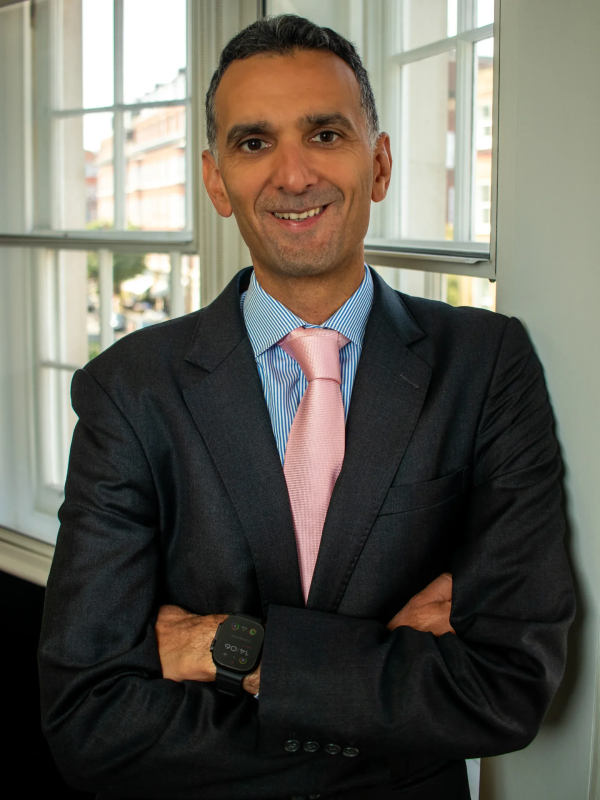
Dr David Porter
MB BS DipESM MScSPORT & EXERCISE MEDICINE DOCTOR
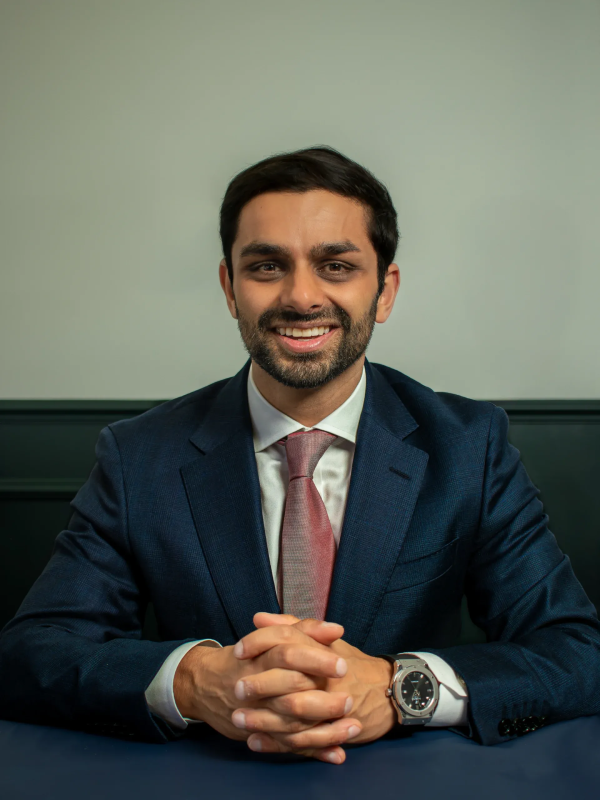
Dr Jonathan Korgaonkar
MBBS MRCP FFSEM Pgcert(US) BSc SPORTS MEDICINE DOCTOR
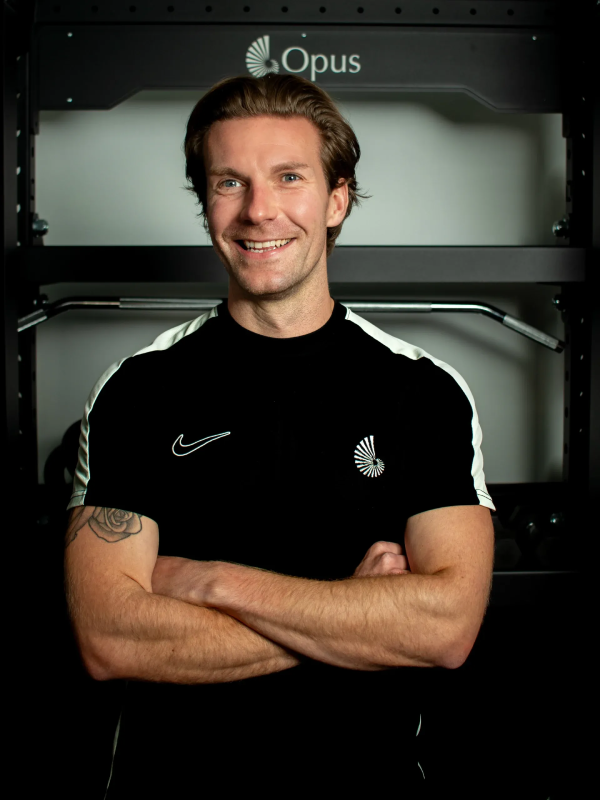
Dr Kush Joshi
MBBS, BSc, MRCP, FFSEM, PGDipSPORTS MEDICINE DOCTOR
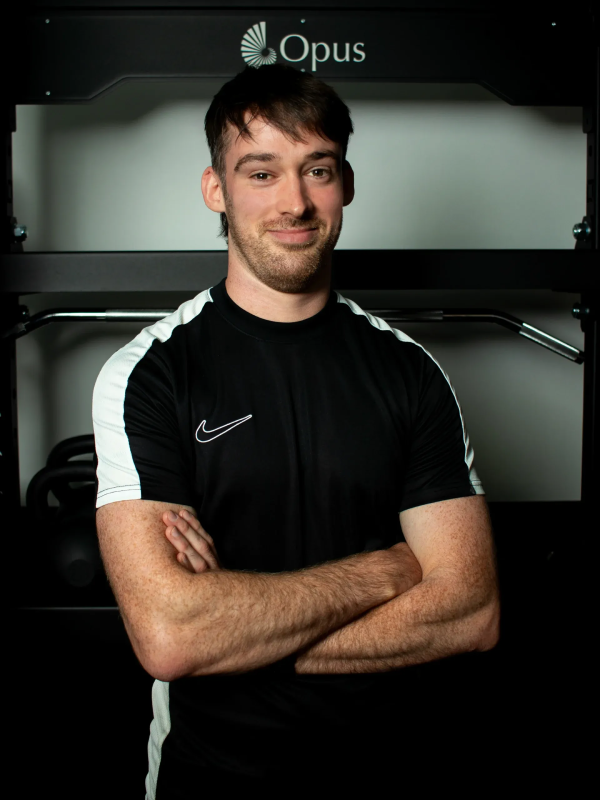
Ian Gilham
BSc (Hons) MCSP PHYSIOTHERAPIST
Bart Hudson-Gill
BSc (Hons) CSCSPHYSIOTHERAPIST AND STRENGTH & CONDITIONING COACH
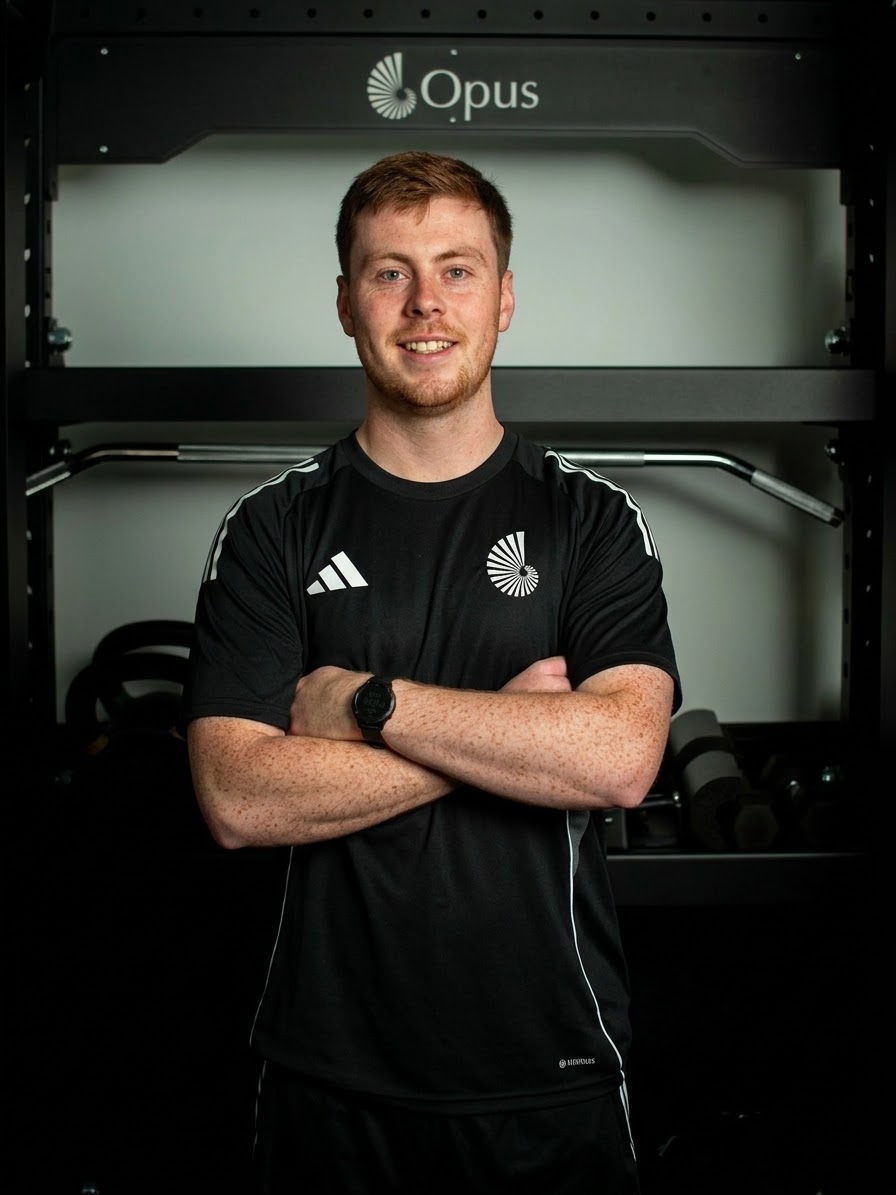
Brian Lynch
BSc (Hons) MCSP PHYSIOTHERAPIST
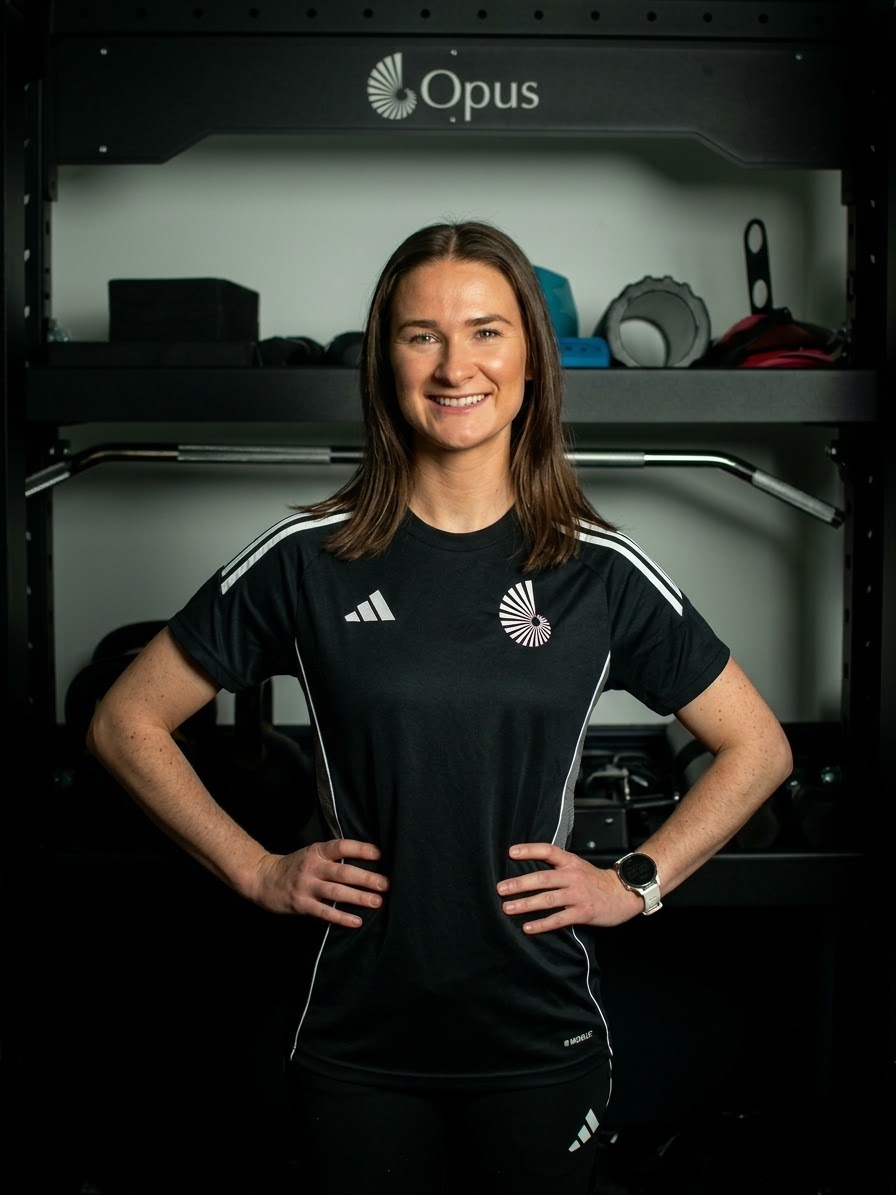
Gráinne Stapleton
BSc (Hons) PHYSIOTHERAPIST
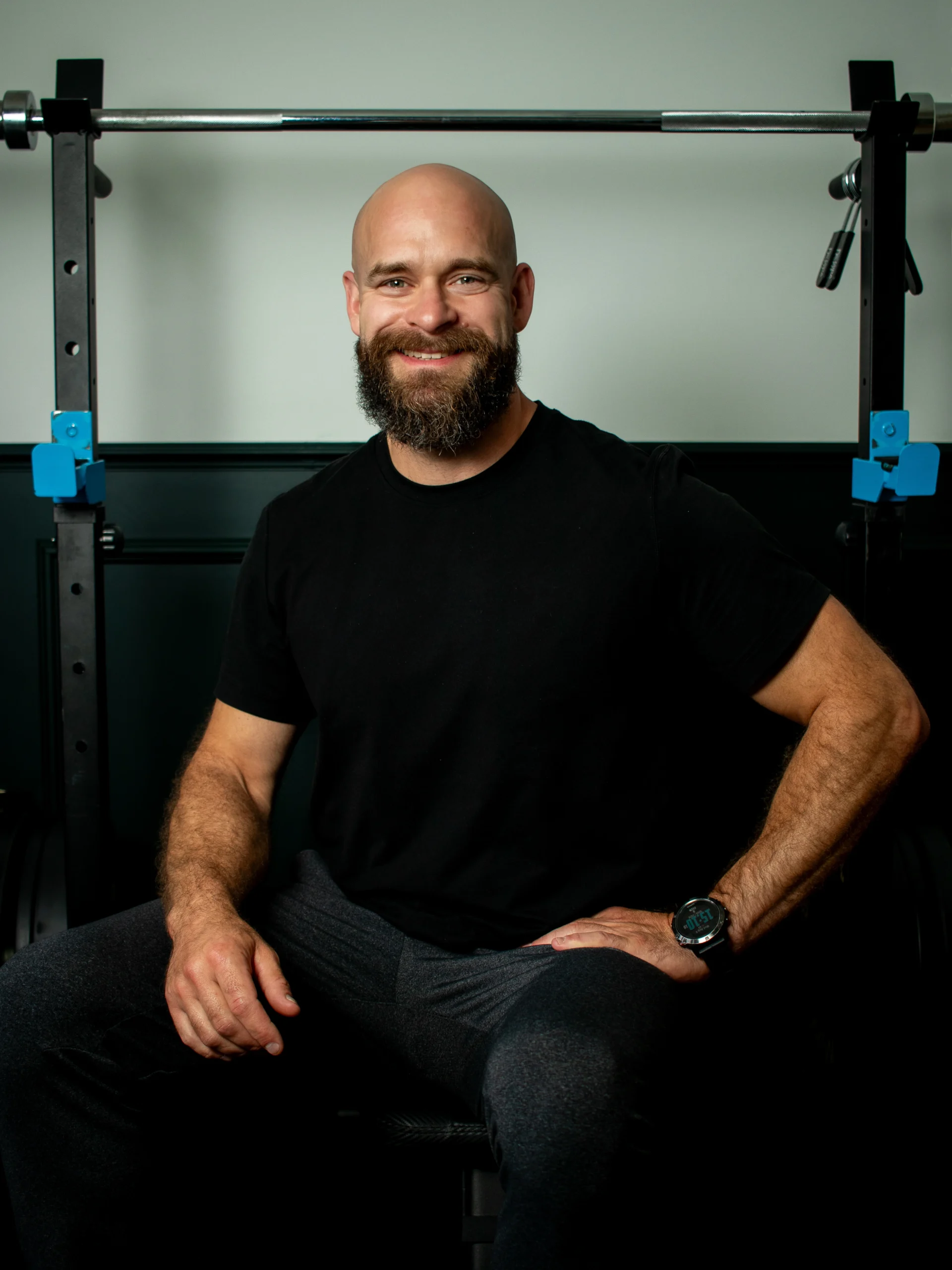
Gavin Eivers
BSc (Hons)STRENGTH & CONDITIONING COACH
Book an appointment
Our specialists are here to help. Book your appointment and take the first step towards better health.