
By Ian Gilham, BSc (Hons) MCSP, Lead Physiotherapist at Opus Biological
Most rehabilitation follows a familiar pattern. Symptoms settle, you are discharged, and you return to exactly what you were doing before. Six months later, the problem is back.
The issue is rarely the treatment itself. It is the goal. When the only target is to reduce pain and return to function, you are aiming too low – and setting yourself up to repeat the cycle.
At Opus, we take a different approach. We believe rehabilitation should leave you in a better physical state than you were in before your injury, not simply restore you to baseline.
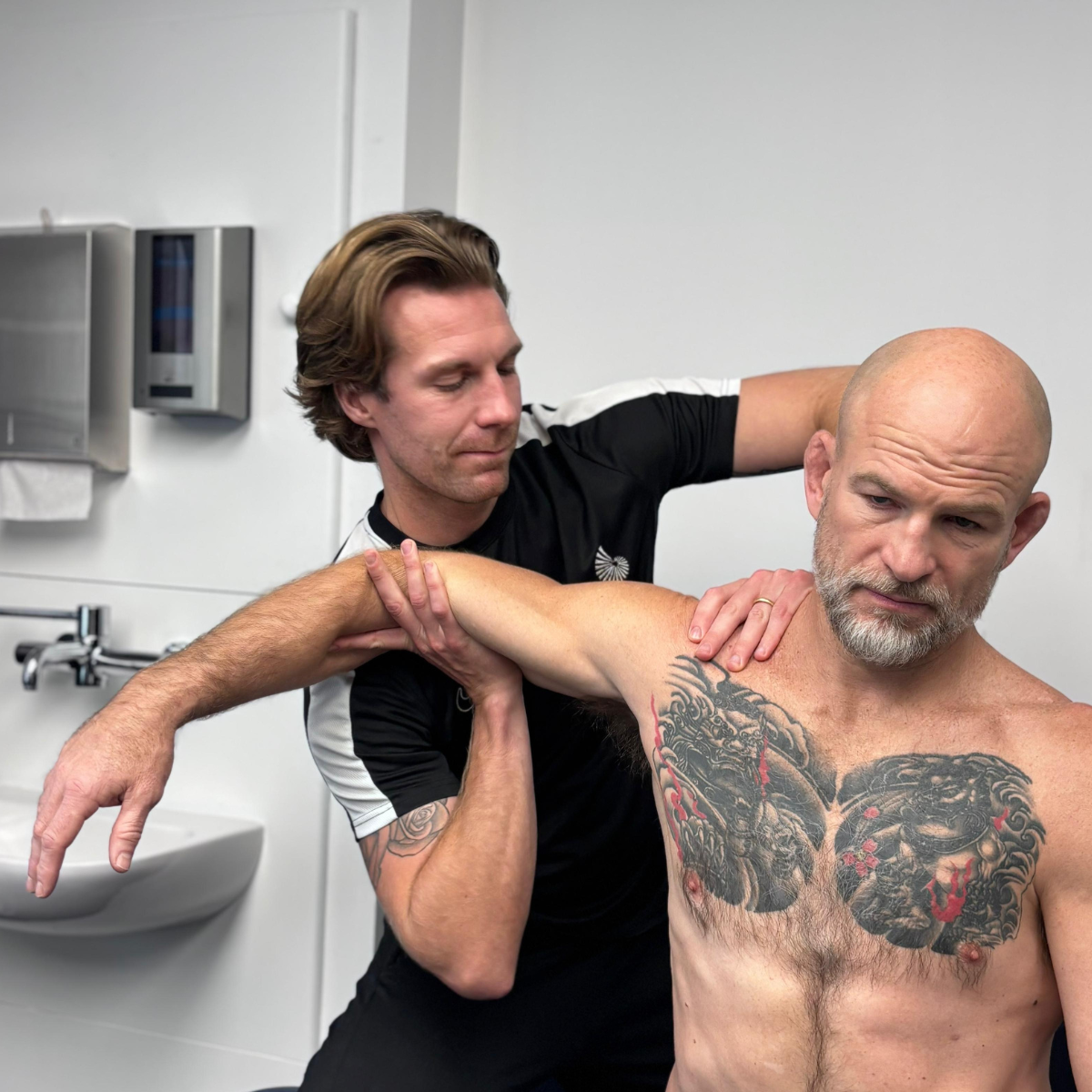
What does long-term rehabilitation actually look like?
Effective rehabilitation is a learning process, not just a recovery from one. Done properly, it gives patients the understanding, habits and physical foundation to manage their own bodies well beyond the point of discharge.
That means going further than exercises and appointments. It means addressing every factor that influences how the body heals, adapts and performs.
Sleep
Poor sleep slows tissue repair, increases pain sensitivity and undermines motivation. Optimising sleep quality is one of the most impactful things a patient can do during rehabilitation – and one of the most overlooked.
Nutrition and hydration
The body cannot rebuild effectively without the right fuel. Adequate protein intake, hydration and micronutrient balance all play a direct role in recovery timelines and outcomes.
Load management
Returning to activity too quickly, or too cautiously, can both cause setbacks. Sensible load management means matching your activity levels to your current capacity and progressing in a structured way that your body can adapt to.
Minimising aggravating factors
Understanding what makes your condition worse – and what eases it – puts you in control. This kind of patient education is central to preventing recurrence and building confidence in your own body.
Why does conventional rehabilitation fall short?
Traditional rehabilitation models tend to focus on the immediate problem: reduce inflammation, restore range of motion, strengthen the affected area. These are important steps, but they rarely address the broader picture.
A patient who recovers from a knee injury but returns to poor movement patterns, inadequate strength and conditioning, disrupted sleep and a sedentary lifestyle outside of training is likely to re-present within months – sometimes with a different injury altogether.
The goal should not be to create dependency on appointments. It should be to give people the tools, confidence and understanding to take long-term ownership of their physical health.
What patients should aim for after rehabilitation
When rehabilitation is completed and guided properly, patients should leave with:
A sustainable strength and conditioning routine. Not a sheet of exercises that gathers dust, but a programme that fits realistically into your life and supports the way you move day to day.
Cardiovascular fitness matched to your goals. Whether you run, cycle, swim or simply want to stay active as you age, your aerobic capacity matters for recovery and long-term health.
Sensible load management for your activity level. Knowing how to progress training, when to pull back, and how to recognise the difference between productive discomfort and a warning sign.
Active recovery habits you actually stick to. Mobility work, rest days, sleep hygiene – the things that are easy to skip but make the biggest difference over time.
How Opus approaches rehabilitation differently
At Opus, physiotherapy is not delivered in isolation. Our clinicians work as part of a multidisciplinary team that includes sports medicine, Reformer Pilates, nutrition, performance psychology and body optimisation – all under one roof in Marylebone.
This means your rehabilitation plan can address not just the injury, but the lifestyle factors that contributed to it. Your physiotherapist coordinates with colleagues across disciplines to ensure nothing is missed – from movement quality and strength to stress, sleep and nutrition.
The result is a patient who does not just recover, but recovers and stays recovered.
When should you consider this approach?
Long-term rehabilitation planning is particularly valuable if:
- You have experienced the same injury or pain more than once
- You have been discharged from physiotherapy before but symptoms returned
- You want to return to sport or high-level activity after a significant injury
- You are looking to invest in preventative care rather than waiting for the next problem
- You want a structured, expert-led plan that goes beyond the basics
Take the next step
If you are interested in a rehabilitation approach that prioritises long-term health management, book an appointment with our physiotherapy team. We will carry out a thorough assessment and build a plan that works with your goals, your lifestyle and your body.
Ian Gilham is Lead Physiotherapist at Opus Biological, a multidisciplinary sports medicine and performance health clinic in Marylebone, London.
Why should rehab focus on long-term health management rather than quick fixes?
Because short-term symptom relief without addressing underlying causes – such as poor movement patterns, inadequate strength, disrupted sleep or lifestyle factors – often leads to re-injury. Long-term rehabilitation builds patient ownership, sustainable habits and lasting physical resilience.
How long should rehabilitation last?
This depends on the individual and the injury. At Opus, rehabilitation is guided by objective progress markers rather than arbitrary timelines. The aim is to discharge patients when they have the tools and confidence to manage independently – not simply when symptoms subside.
What is the difference between physiotherapy and long-term rehabilitation?
Physiotherapy is a core component of rehabilitation, but long-term rehab takes a broader view. It integrates strength and conditioning, load management, nutrition, sleep optimisation and lifestyle education alongside hands-on treatment.