Performance Psychology Archives - opusbiological.com
What the Women’s Euros Teach Us: Lionesses Win, But There’s More to Learn About Injury in the Women’s Game

What the Women’s Euros Teach Us: Lionesses Win, But There’s More to Learn About Injury in the Women’s Game

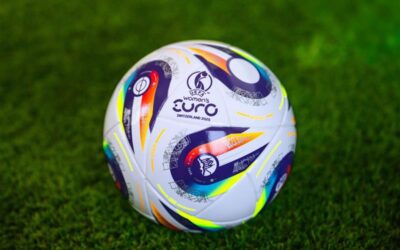
On Sunday 27 July 2025, England’s Lionesses retained their European crown in thrilling fashion, defeating Spain 3–1 on penalties after a tense 1–1 draw at St. Jakob‑Park in Basel. It was a performance defined by resilience, tactical adaptability, and mental steel.

But while England’s back-to-back UEFA Women’s Euro victories rightly dominate the headlines, an equally important story unfolds. The growing need to address sex-specific injury risks in female footballers, especially as the women’s game continues its rapid ascent.

England’s Comeback Queens

Despite trailing 0–1 at half-time, England mounted a spirited second-half comeback, sparked by substitute Chloe Kelly, who delivered the cross for Alessia Russo’s 57th‑minute equaliser. With no goals in extra time, the match moved to penalties, where Kelly once again became a national hero, burying the final spot-kick and sealing England’s first major title won abroad.

  • “They know how to win, they had proven it before, and that was all they needed to turn to in the toughest moments.” – BBC Sport

https://www.bbc.co.uk/sport/football

Statistically, the Lionesses defied the odds throughout Euro 2025: https://www.uefa.com/womenseuro/statistics/

  • Came from behind in all three knockout matches
  • Had 10 goal involvements from substitutes, a tournament record
  • Became the first team to win the final after trailing at half-time

But resilience often comes at a price. Particularly when it comes to the physical toll on players’ bodies.

The Injury Disparity Between Male and Female Footballers

One of the starkest issues in elite women’s football is the prevalence of non‑contact injuries, especially anterior cruciate ligament (ACL) tears. Women are estimated to be 6–8 times more likely than men to suffer ACL injuries in football due to anatomical, hormonal and biomechanical factors.

A 2021 study published in the British Journal of Sports Medicine observed that: https://bjsm.bmj.com/content/55/3/135

  • “Female athletes demonstrate altered landing mechanics, greater valgus knee angles, and hormonal fluctuations that increase ligament laxity, particularly during ovulation.”

And this isn’t just theory. Lucy Bronze reportedly played the entire tournament with a stress fracture, while multiple squads have quietly battled ongoing muscular and ligament injuries that disproportionately affect women at this elite level.

Why Women Need Tailored Sports Medicine

Despite progress, many training regimes remain based on male physiology. They often overlook the complexities of the female athlete’s endocrine system, injury profile and recovery curve.

Research, including the 2024 UEFA Women’s Health Report https://www.uefa.com/insideuefa/news/0278-15ea58b9fdd7-c84169b43d5e-1000–women-s-football-and-health-report-2024/, emphasises the urgent need to adapt everything from pre‑season screening and load management to menstrual‑cycle tracking and neuromuscular conditioning for ACL prevention. Yet only a minority of professional clubs have fully integrated female-specific health monitoring into their high-performance frameworks.

We believe this must change. At Opus we are proud to lead that transformation.

Regenerative Therapies and Prevention at Opus

To meet the needs of today’s elite female athletes, Opus offers a holistic blend of sports medicine and rehabilitation:

Service  Description
Sports Medicine Expert prevention, diagnosis and rehab tailored to musculoskeletal injuries and performance optimisation.
Regenerative Medicine Including allogeneic umbilical cord-derived mesenchymal stem cell therapy and platelet-rich plasma (PRP) injections, integrated with bespoke rehab programmes.
Reformer Pilates For core stability, neuromuscular control and injury prevention.
ACL Prevention Programmes Dedicated protocols to reduce ACL risk via targeted neuromuscular training.
Menstrual Cycle-Informed Training Protocols Tailored load management and timing based on hormonal cycles.

We treat athletes not just based on the injury, but on their unique physiological and hormonal context. This creates personalised pathways to longevity and peak performance.

Final Whistle: Lessons Beyond the Pitch

England’s Euro 2025 victory is a testament to elite preparation, adaptability and belief. But it also reminds us that women’s football is entering a new phase of professionalism. One that demands evolving our understanding of injury risk, prevention and care for female athletes.

As we celebrate the Lionesses’ glory, let’s also commit to building systems that keep women stronger, longer – on the pitch and beyond.

Want to Futureproof Your Athletic Health?

Whether you’re a professional athlete or striving for optimal performance, Opus offers the city’s most advanced destination for sports injury prevention and recovery. 

Whether you’re a professional athlete or striving for optimal performance, Opus offers the city’s most advanced destination for sports injury prevention and recovery. 

Book a consultation with Dr David Porter or our multi-disciplinary team today.

📍 Located in the heart of London
📞 Call us on [020 8609 7843]

Biopsychosocial Considerations of Sports Injury and Rehabilitation: A Holistic Approach to Athlete Recovery

Biopsychosocial Considerations of Sports Injury and Rehabilitation: A Holistic Approach to Athlete Recovery

Opus, founded by David Porter, a new perspective on sports injury rehabilitation is taking shape. Together with Professor of psychology Dave Collins and lead physiotherapist Ian Gilham, the team promotes the biopsychosocial (BPS) model—a comprehensive approach that goes beyond treating the physical injury to address the mental and social factors that impact an athlete’s recovery.

This method aims to support athletes fully, enabling them to return to peak performance with resilience.


Key Points:

  • Interdisciplinary Teamwork: The BPS model draws on a team of specialists, including doctors, physiotherapists, psychologists, nutritionists, and coaches. This interdisciplinary approach ensures that all aspects of an athlete’s recovery are covered, promoting a more rounded and complete rehabilitation.
  • The Biopsychosocial Model: Traditionally, rehabilitation focuses on the physical aspects of injury. However, the BPS model acknowledges that injuries affect athletes in other ways too, such as their mental health (e.g., anxiety or loss of identity) and social status (e.g., their role within the team). The model addresses these factors together for a holistic recovery.

  • Patient-Centred Care: One of the core principles of the BPS model is putting the athlete at the centre of their care. This patient-centred approach ensures that athletes are actively involved in their recovery process, which can increase motivation and help tailor the rehabilitation to their specific needs.

  • Real-Life Examples: The article shares practical case studies where the BPS model has been effectively applied. In one case, a competitive equestrian rider with a severe pelvic injury received coordinated care involving medical, psychological, and social support, which helped her overcome fears about returning to competition.

  • Rehabilitation Stages: Recovery under the BPS model follows a clear, structured path, with each phase of rehabilitation managed by the interdisciplinary team. Early stages focus on reassurance and stabilisation, while later stages incorporate goal-setting to keep the athlete motivated and engaged.

  • Social Support: The social aspect of recovery is vital for maintaining mental wellbeing. The BPS model encourages athletes to remain connected with their teams during rehabilitation, helping them feel included and supported throughout the process.

  • Goal Setting and Progress Measurement: Setting clear, achievable goals is central to the BPS model. Breaking the rehabilitation process into manageable steps allows athletes to see progress and stay motivated. Tools like the “Challenge Ladder” help measure this progress, giving athletes a clear path forward.

  • Addressing Psychological Barriers: Injuries often bring psychological challenges, such as fear of reinjury. The BPS model incorporates psychological support to address these fears early on, helping athletes regain their confidence and return to competition without hesitation.

  • Clear Roles for Specialists: With many professionals involved, clear communication is essential. The BPS model establishes well-defined roles for each specialist, doctors, physiotherapists, and coaches, ensuring consistency in care and avoiding confusion for the athlete.

  • A Look to the Future: The authors advocate for broader adoption of the BPS model across sports rehabilitation settings, noting that its holistic approach leads to more effective and complete recovery. This model is particularly beneficial in helping athletes not only return to play but come back stronger, both physically and mentally.

In this article, David Porter, Dave Collins, and Ian Gilham highlight the benefits of the biopsychosocial approach to sports injury rehabilitation.

Focusing on the athlete’s physical, mental, and social well-being, the BPS model provides a more complete path to recovery. Through interdisciplinary collaboration and patient-centred care, this approach ensures that athletes return to their sport stronger and more resilient.

This innovative approach is setting a new standard in sports medicine, helping athletes achieve the best outcomes in their recovery journey. To learn more about how the BPS model can enhance sports injury rehabilitation, read the full article here