Ian Gilham Archives - opusbiological.com
Why Rehabilitation Should Focus on Long-Term Health Management, Not Quick Fixes

Why Rehabilitation Should Focus on Long-Term Health Management, Not Quick Fixes

By Ian Gilham, BSc (Hons) MCSP, Lead Physiotherapist at Opus Biological 

 Most rehabilitation follows a familiar pattern. Symptoms settle, you are discharged, and you return to exactly what you were doing before. Six months later, the problem is back.

The issue is rarely the treatment itself. It is the goal. When the only target is to reduce pain and return to function, you are aiming too low – and setting yourself up to repeat the cycle.

At Opus, we take a different approach. We believe rehabilitation should leave you in a better physical state than you were in before your injury, not simply restore you to baseline.

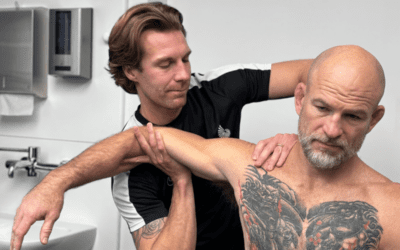
Physiotherapist supporting a shirtless male patient’s arm and shoulder during a mobility assessment in a clinical treatment room, with the patient showing a large chest tattoo.

What does long-term rehabilitation actually look like?

Effective rehabilitation is a learning process, not just a recovery from one. Done properly, it gives patients the understanding, habits and physical foundation to manage their own bodies well beyond the point of discharge.

That means going further than exercises and appointments. It means addressing every factor that influences how the body heals, adapts and performs.

Sleep

Poor sleep slows tissue repair, increases pain sensitivity and undermines motivation. Optimising sleep quality is one of the most impactful things a patient can do during rehabilitation – and one of the most overlooked.

Nutrition and hydration

The body cannot rebuild effectively without the right fuel. Adequate protein intake, hydration and micronutrient balance all play a direct role in recovery timelines and outcomes.

Load management

Returning to activity too quickly, or too cautiously, can both cause setbacks. Sensible load management means matching your activity levels to your current capacity and progressing in a structured way that your body can adapt to.

Minimising aggravating factors

Understanding what makes your condition worse – and what eases it – puts you in control. This kind of patient education is central to preventing recurrence and building confidence in your own body.

Why does conventional rehabilitation fall short?

Traditional rehabilitation models tend to focus on the immediate problem: reduce inflammation, restore range of motion, strengthen the affected area. These are important steps, but they rarely address the broader picture.

A patient who recovers from a knee injury but returns to poor movement patterns, inadequate strength and conditioning, disrupted sleep and a sedentary lifestyle outside of training is likely to re-present within months – sometimes with a different injury altogether.

The goal should not be to create dependency on appointments. It should be to give people the tools, confidence and understanding to take long-term ownership of their physical health.

What patients should aim for after rehabilitation

When rehabilitation is completed and guided properly, patients should leave with:

A sustainable strength and conditioning routine. Not a sheet of exercises that gathers dust, but a programme that fits realistically into your life and supports the way you move day to day.

Cardiovascular fitness matched to your goals. Whether you run, cycle, swim or simply want to stay active as you age, your aerobic capacity matters for recovery and long-term health.

Sensible load management for your activity level. Knowing how to progress training, when to pull back, and how to recognise the difference between productive discomfort and a warning sign.

Active recovery habits you actually stick to. Mobility work, rest days, sleep hygiene – the things that are easy to skip but make the biggest difference over time.

How Opus approaches rehabilitation differently

At Opus, physiotherapy is not delivered in isolation. Our clinicians work as part of a multidisciplinary team that includes sports medicine, Reformer Pilates, nutrition, performance psychology and body optimisation – all under one roof in Marylebone.

This means your rehabilitation plan can address not just the injury, but the lifestyle factors that contributed to it. Your physiotherapist coordinates with colleagues across disciplines to ensure nothing is missed – from movement quality and strength to stress, sleep and nutrition.

The result is a patient who does not just recover, but recovers and stays recovered.

When should you consider this approach?

Long-term rehabilitation planning is particularly valuable if:

  • You have experienced the same injury or pain more than once
  • You have been discharged from physiotherapy before but symptoms returned
  • You want to return to sport or high-level activity after a significant injury
  • You are looking to invest in preventative care rather than waiting for the next problem
  • You want a structured, expert-led plan that goes beyond the basics

Take the next step

 If you are interested in a rehabilitation approach that prioritises long-term health management, book an appointment with our physiotherapy team. We will carry out a thorough assessment and build a plan that works with your goals, your lifestyle and your body.

Ian Gilham is Lead Physiotherapist at Opus Biological, a multidisciplinary sports medicine and performance health clinic in Marylebone, London.

Why should rehab focus on long-term health management rather than quick fixes?

Because short-term symptom relief without addressing underlying causes – such as poor movement patterns, inadequate strength, disrupted sleep or lifestyle factors – often leads to re-injury. Long-term rehabilitation builds patient ownership, sustainable habits and lasting physical resilience.

How long should rehabilitation last?

This depends on the individual and the injury. At Opus, rehabilitation is guided by objective progress markers rather than arbitrary timelines. The aim is to discharge patients when they have the tools and confidence to manage independently – not simply when symptoms subside.

What is the difference between physiotherapy and long-term rehabilitation?

Physiotherapy is a core component of rehabilitation, but long-term rehab takes a broader view. It integrates strength and conditioning, load management, nutrition, sleep optimisation and lifestyle education alongside hands-on treatment.

Role of Compression Therapy in a MSK setting

Role of Compression Therapy in a MSK setting

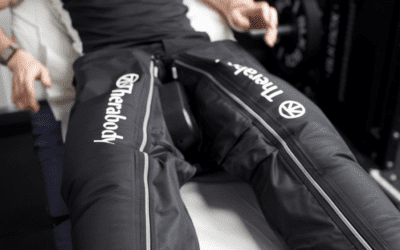
Compression therapy is a widely used technique in musculoskeletal physiotherapy, offering benefits for both recovery and performance enhancement. It involves the application of controlled pressure to muscles, joints, or soft tissues using compression devices such as the Therabody Jet Boots we use here at Opus. This therapy has been extensively utilized in injury management, post-surgical rehabilitation, and athletic performance optimization. We are all well accustomed to seeing Premier League players posting the routine image of them with their feet up, in a set of these boots, watching the La Liga late kick off following their Saturday afternoon match. So there must be a reason why!

Mechanism of Action

Compression therapy works by enhancing circulation, reducing swelling, and promoting tissue healing. The applied pressure assists venous return, helping deoxygenated blood and metabolic waste products move back toward the heart more efficiently. This improved circulation delivers oxygen-rich blood and essential nutrients to tissues, facilitating faster repair and reducing inflammation. Additionally, compression can support the lymphatic system, helping to prevent fluid accumulation in injured or overworked tissues.

Benefits for Recovery

1. Reduction of Swelling and Inflammation

One of the primary benefits of compression therapy is its ability to minimize swelling, a common symptom in musculoskeletal injuries such as sprains, strains, and post-surgical recovery. By applying pressure, excess fluid is prevented from accumulating in the injured area, reducing discomfort and expediting the healing process (Priego-Quesada et al., 2020).

2. Pain Management

Compression garments and bandages provide gentle pressure that can reduce pain by limiting excessive movement and stabilizing the affected area. This can be particularly beneficial for individuals recovering from ligament injuries, fractures, or joint surgeries, such as ACL reconstruction or total knee replacements (Born et al., 2013).

3. Improved Muscle Oxygenation and Tissue Healing

Enhanced blood flow through compression ensures an increased supply of oxygen and essential nutrients to the affected muscles and joints. This accelerates tissue regeneration, which is crucial in conditions such as tendinopathies and muscle tears. Faster healing times can reduce the risk of chronic issues and long-term disability (MacRae et al., 2012).

4. Prevention of Deep Vein Thrombosis (DVT)

For individuals undergoing prolonged immobilization following musculoskeletal injuries or surgeries, compression therapy can help prevent deep vein thrombosis. By promoting circulation in the lower limbs, it reduces the risk of blood clot formation, a serious complication in post-surgical patients (Brophy-Williams et al., 2017).

Benefits for Performance

1. Enhanced Muscle Recovery

Athletes and active individuals use compression therapy to recover faster after intense training sessions. Compression garments aid in reducing muscle soreness and fatigue by clearing metabolic waste, such as lactic acid, from the muscles more efficiently (Houghton et al., 2019).

2. Improved Proprioception and Stability

Compression sleeves and supports provide sensory feedback, improving proprioception—the body’s awareness of joint position and movement. This can be beneficial for injury prevention, as better joint stability reduces the risk of excessive strain and misalignment (Duffield et al., 2010).

3. Reduced Muscle Oscillation and Fatigue

During high-impact activities such as running or jumping, muscles experience micro-vibrations that contribute to fatigue. Compression gear minimizes these oscillations, reducing muscle fatigue and improving endurance over prolonged periods of activity (Hill et al., 2014).

Conclusion

Compression therapy can be a useful tool in musculoskeletal physiotherapy, aiding in both recovery and performance. Its ability to reduce swelling, alleviate pain, and enhance circulation makes it a valuable tool in injury management and rehabilitation. Additionally, athletes and active individuals benefit from its performance-enhancing effects, including faster muscle recovery and improved stability. Whether used for acute injury management or long-term athletic optimization, compression therapy remains an effective and accessible treatment modality in physiotherapy practice.

Reference List


  • Born, D., Sperlich, B., & Holmberg, H. C. (2013). Bringing light into the dark: effects of compression clothing on performance and recovery. Sports Medicine, 43(6), 533-549.
  • Brophy-Williams, N., Driller, M. W., & Shing, C. M. (2017). Acute and chronic effects of compression garments on recovery from exercise-induced muscle damage. Journal of Science and Medicine in Sport, 20(6), 527-531.
  • Duffield, R., Cannon, J., & King, M. (2010). The effects of compression garments on recovery of muscle performance following high-intensity sprint and plyometric exercise. Journal of Science and Medicine in Sport, 13(1), 136-140.
  • Hill, J., Howatson, G., van Someren, K. A., & Gaze, D. C. (2014). The influence of compression garments on physiological and performance responses to exercise: a systematic review. Sports Medicine, 44(6), 791-803.
  • Houghton, L. A., Dawson, B., & Maloney, S. K. (2019). Effects of compression garments on recovery following exercise: A meta-analysis. Physiology & Behavior, 210, 112671.
  • MacRae, B. A., Cotter, J. D., & Laing, R. M. (2012). Compression garments and exercise: garment considerations, physiology and performance. Sports Medicine, 42(10), 819-843.
  • Priego-Quesada, J. I., et al. (2020). Effects of compression garments on sports performance and recovery: A systematic review. Journal of Sports Sciences, 38(12), 1287-1304.
Compression Therapy
Role of Compression Therapy in a MSK setting

Importance of calf capacity

The Importance of Good Calf Muscle Capacity in Preventing and Rehabilitating Lower Limb Injuries

Calf muscles, primarily consisting of the gastrocnemius and soleus muscles, play a vital role in lower limb function and overall biomechanics. These muscles are essential for movements such as walking, running, and jumping, contributing to ankle stability, propulsion, and shock absorption. Strong and flexible calf muscles not only enhance athletic performance but also prevent lower limb injuries and support rehabilitation after injury. This article outlines the importance of calf muscle capacity, provides data on its impact on joint loading, and explains how to assess calf capacity in clinical settings.

The Role of Calf Muscles in Lower Limb Function

The calf muscles work as a dynamic powerhouse during movement. The gastrocnemius and soleus muscles, in conjunction with the Achilles tendon, drive plantarflexion, which is the action of pushing the foot off the ground. This movement is crucial for walking, running, and jumping, as it propels the body forward. Additionally, the calf muscles play a role in absorbing the impact forces generated when the foot strikes the ground, thus reducing stress on other structures like the knee, hip, and lower back.

By acting as shock absorbers and stabilizers, the calf muscles influence the load distribution across the entire lower limb. Proper calf function ensures that forces are dispersed evenly, preventing overloading of other structures and contributing to balanced biomechanics. When calf muscles are weak or fatigued, they fail to perform this role efficiently, leading to improper movement patterns and potentially contributing to injuries of the lower limb, such as ankle sprains, Achilles tendinopathy, anterior knee pain, and plantar fasciitis. Weak calf musculature may also exacerbate symptoms such as osteoarthritis in the foot, ankle and knee.  A study by Alshami and Alhassany (2020) 1, found that calf muscle strength was significantly reduced in the patients with knee OA compared with that in the healthy control participants. Therefore it could be a good idea to ensure that within an OA knee patient’s exercise programme, there is targeted calf strengthening.

Impact of Strong Calf Muscles on Knee Joint Loading

Strong calf muscles not only support the ankle but also significantly reduce the load on the knee joint during various activities. Research has shown that adequate calf strength can reduce knee joint loading by absorbing the ground reaction forces that occur during walking or running. The soleus muscle, in particular, is known to play a key role in reducing the stress on the knee by generating posterior shear forces at the tibia, which counteract the forward forces that tend to overwork the knee.

A 2019 study by A. Bohm, 2,  found that the soleus muscle can contribute up to 50% of the force needed to decelerate the body during walking and running, thereby offloading the knee joint considerably. Research indicates that strong calf muscles can reduce the load on the knee by up to 20-25% during activities like walking and stair climbing . This effect is critical in both preventing injuries such as patellofemoral pain syndrome and in managing conditions like osteoarthritis, where reduced joint loading can slow the progression of cartilage wear.

In individuals with weakened calf muscles, this offloading effect is diminished, forcing the knee and other structures to take on additional load, which increases the risk of injury. Athletes, in particular, benefit from strong calf muscles, as these muscles allow them to handle high-impact activities like running and jumping without overstressing the knee joint.

Testing Calf Capacity in Clinical Settings

Given the importance of calf muscle capacity in preventing and rehabilitating lower limb injuries, clinicians need reliable methods to assess both the strength and endurance of the calf muscles. Below are some of the most effective ways to test calf capacity in a clinical setting:

  • Calf-Raise Test (Repetitive Heel-Raise Test): The single-leg calf-raise test is a simple and widely used method to assess calf muscle endurance. In this test, the patient stands on one leg and performs heel raises, lifting the heel off the ground as high as possible with the number of repetitions completed before fatigue, recorded. This test evaluates both the gastrocnemius and soleus muscles, providing a measure of endurance, which is critical for injury prevention. Hebert et. Al (2017) 2, carried out a great study which generated a guide to target rep ranges for different patient groups based on age and sex.
  • Maximal Voluntary Isometric Contraction (MVIC): This test measures the maximum force a person can generate during an isometric contraction of the calf muscles. Using a dynamometer, clinicians can measure the force output when the patient pushes against resistance in a fixed position. The MVIC is a reliable method to assess the maximal strength of the calf muscles, especially useful in identifying deficits that may contribute to injury risk or delay rehabilitation.
  • Single-Leg Hop Test: This test is used to evaluate functional strength and power in the calf muscles. The patient is asked to perform a series of single-leg hops for distance or height. A significant discrepancy between the two legs indicates potential calf muscle weakness or imbalance. This test is particularly useful for athletes who need to perform explosive movements during sport, as it mimics the high-force demands placed on the calf muscles.
  • Functional Movement Assessments: Assessing how the calf muscles function during movements like squats, walking, or running is also valuable in clinical settings. Analysing gait or performing functional movement screens allows clinicians to observe whether the calf muscles are functioning optimally during dynamic activities. This type of assessment is particularly relevant for athletes and individuals recovering from injury, as it highlights any biomechanical deficiencies related to calf muscle performance.

Rehabilitation of Lower Limb Injuries: Calf Strengthening

Injury rehabilitation programs often include exercises aimed at restoring calf muscle strength, endurance, and flexibility. Isometric calf exercises can be used early in rehabilitation to improve muscle activation without placing too much strain on the injured tissue. Over time, patients progress to more dynamic exercises such as calf raises, hopping, and plyometric drills, depending on the severity of their injury and their physical goals. Green et. Al (2022) 3, break up the involvement of calf specific exercises into 4 nice stages which a patient or player should go through in order to go from day 1 to return to play. These stages are: Early loading and foundation calf and lower limb function, Loaded strengthening, loaded power, plyometrics and ballistics and finally, Locomotion.

Conclusion

Good calf muscle capacity is vital for preventing lower limb injuries and supporting effective rehabilitation. Strong and flexible calf muscles reduce the load on the knee joint by as much as 20-25%, play an essential role in stabilizing the ankle, and help prevent common injuries such as Achilles tendinopathy, plantar fasciitis, and knee injuries. Clinicians can use a variety of tests, such as the calf-raise test and MVIC, to assess calf muscle strength and endurance. By incorporating calf training and flexibility exercises into rehabilitation and prevention programs, individuals can improve their lower limb function, reduce the risk of injury, and ensure a quicker recovery following injury.

Reference List


  • Alshami, A.M. and Alhassany, H.A. (2020). Girth, strength, and flexibility of the calf muscle in patients with knee osteoarthritis: A case–control study. Journal of Taibah University Medical Sciences, 15(3), pp.197–202. doi:https://doi.org/10.1016/j.jtumed.2020.04.002.
  • Bohm S, Mersmann F, Santuz A, Arampatzis A.. 2019. The force–length–velocity potential of the human soleus muscle is related to the energetic cost of running. Proc. R. Soc. B Biol. Sci. 286, 20192560 ( 10.1098/rspb.2019.2560)
  • Hébert-Losier, K., Wessman, C., Alricsson, M. and Svantesson, U. (2017). Updated reliability and normative values for the standing heel-rise test in healthy adults. Physiotherapy, 103(4), pp.446–452. doi:https://doi.org/10.1016/j.physio.2017.03.002.
  • Green, B., McClelland, J.A., Semciw, A.I. et al. The Assessment, Management and Prevention of Calf Muscle Strain Injuries: A Qualitative Study of the Practices and Perspectives of 20 Expert Sports Clinicians. Sports Med – Open 8, 10 (2022). https://doi.org/10.1186/s40798-021-00364-0
Role of Compression Therapy in a MSK setting

Sometimes – less means more

Unfortunately, sometimes we come face to face with patients who have a rather long road ahead of them when it comes to returning to their pre-injury status. An ACL or Achilles reconstruction for example. This means a longer period for them to be vigilant, compliant and motivated with their session attendance, exercise and management techniques in and away from face-to-face sessions. I for one know that if I was placed in this scenario, I would find it tough to keep the same level of determination to adhere to my programme from beginning to end. So, can we use a little something to aid this lengthy process for our patients which will not negatively impact their progress? In my opinion, yes. Deloading.

Bell et. al (2023) (1) define ‘Deloading’ as a period of reduced training stress designed to mitigate physiological and psychological fatigue, promote recovery, and enhance preparedness for subsequent training.

In the realm of sports rehabilitation, the concept of deload periods has gained significant traction as an approach to managing and enhancing recovery from injuries. Deload periods, often implemented within a structured rehabilitation program, involve a planned reduction in exercise intensity and or volume. This technique is particularly beneficial in long-term recovery processes, offering numerous physiological and psychological benefits that can expedite healing and improve overall outcomes

The primary physiological benefit of deload periods is the mitigation of overtraining and excessive fatigue (Rogerson et.al 2024) (5). During a prolonged rehabilitation process, continuous high-intensity training can lead to increased stress on the injured tissues, potentially exacerbating the injury or slowing down the healing process. By incorporating deload periods, the body is afforded the necessary time to recover and adapt to the rehabilitation exercises without being overwhelmed by continuous strain.

Deload periods can also play a crucial role in preventing the risk of re-injury. As targeted structures are gradually strengthened during rehabilitation, they require adequate rest to fully recover and adapt to the increased loads. Without sufficient recovery, these structures remain vulnerable to further damage. As per Mosewich, Kent and Kowalski (2013) (4) deloading helps ensure that the healing tissues are not subjected to undue stress, thus reducing the likelihood of setbacks.

Additionally, deload periods facilitate metabolic recovery. Intense exercise sessions can deplete glycogen stores, disrupt hormonal balances, and lead to an accumulation of metabolic byproducts. A period of reduced training intensity allows for the replenishment of glycogen stores, normalization of hormone levels, and clearance of metabolic waste, thereby optimizing the body’s readiness for subsequent training phases (Ivy 2004) (3).

Beyond the physiological advantages, deload periods offer substantial psychological benefits that are vital for a successful rehabilitation journey. Long-term injury recovery can be mentally taxing, often leading to feelings of frustration, anxiety, or even burnout. Scheduled deload periods provide individuals with a break, helping to alleviate mental fatigue and maintain motivation throughout the rehabilitation process. It is a well-known fact that within elite sport it is common for a player to be advised to go away to somewhere warm to put their feet up for 7-10 days at a certain stage of their recovery. This gets the player away from the current rehabilitation setting, enabling them to switch off mentally and relax.

The psychological relief afforded by deload periods also promotes adherence to the rehabilitation program (Bell et. al 2022) (2). Consistently high levels of training intensity can lead to a sense of dread or reluctance towards rehabilitation sessions. By incorporating periodic reductions in training demands, individuals are more likely to remain engaged and committed to their recovery plan, ultimately leading to better long-term outcomes

The implementation of deload periods within a rehabilitation program should be tailored to the individual’s specific injury, recovery progress, and overall training load. Generally, deload periods are scheduled every 6-8 weeks, but this can vary based on the intensity and frequency of the rehabilitation exercises. Monitoring the patient’s feedback, progress, and any signs of overtraining or fatigue can help in deciding the optimum time for this process also.  During a deload week, exercise intensity and volume are typically reduced by 50-70%, allowing the body ample time to recover without completely halting progress.

So, I think based on the above, it is safe to say that as therapists we should very much consider the implementation of the deload principle into the rehabilitation plans of those patients who have a longer and slightly more mentally and physically testing battle ahead. It is a big part of our role to support our patient’s and to keep them on the right track. Sometimes that may mean periodically seeing them and doing less to achieve more down the line.

Reference List


  • Bell, L., Ben William Strafford, Coleman, M., Patroklos Androulakis-Korakakis and Nolan, D. (2023). Integrating Deloading into Strength and Physique Sports Training Programmes: An International Delphi Consensus Approach. Sports Medicine – Open, 9(1). doi:https://doi.org/10.1186/s40798-023-00633-0.
  • Bell, L., Nolan, D., Immonen, V., Helms, E., Dallamore, J., Wolf, M. and Androulakis Korakakis, P. (2022). ‘You can’t shoot another bullet until you’ve reloaded the gun’: Coaches’ perceptions, practices and experiences of deloading in strength and physique sports. Frontiers in Sports and Active Living, [online] 4. doi:https://doi.org/10.3389/fspor.2022.1073223.
  • Ivy JL. Regulation of muscle glycogen repletion, muscle protein synthesis and repair following exercise. J Sports Sci Med. 2004 Sep 1;3(3):131-8. PMID: 24482590; PMCID: PMC3905295.
  • Amber D. Mosewich , Peter R.E. Crocker & Kent C. Kowalski (2013): Managinginjury and other setbacks in sport: experiences of (and resources for) high-performance women athletes, Qualitative Research in Sport, Exercise and Health, DOI:10.1080/2159676X.2013.766810
  • Rogerson, D., Nolan, D., Korakakis, P.A. et al. Deloading Practices in Strength and Physique Sports: A Cross-sectional Survey. Sports Med – Open 10, 26 (2024). https://doi.org/10.1186/s40798-024-00691-y
Role of Compression Therapy in a MSK setting

Take a dip!

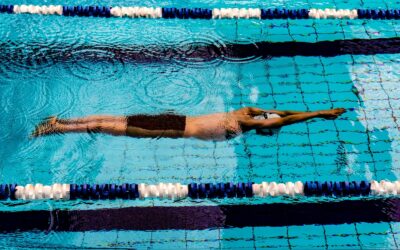
Hydrotherapy, or aquatic based therapy, is a treatment method I have personally used with patients ever since first becoming an MSK physiotherapist. From my first ever exposure to the method in my early NHS, Junior Physiotherapist role, to using a pool with elite athletes competing in a number of different sports in my more recent career, I very rarely find that the patient doesn’t leave the session with some form of positive gain. Hydrotherapy is defined as the external or internal use of water in any of its forms (water, ice, steam) for health promotion or treatment of various diseases with various temperatures, pressure, duration, and site (Mooventhan and Nivethitha, 2014) (4). Like many good things, it has been used for 1000s of years to assist in the management of health conditions whether that be to aid movement or relieve pain. Today, we very much utilise the benefits of water to treat a variety of health conditions ranging from cardiovascular, to rheumatological, neurological and musculoskeletal injuries. So what are the benefits of hydrotherapy? Well, to break it into pointers, these are the reasons as to why we can find benefit from hydrotherapy:
  1. Pain Relief 
  • Immersion in warm water can help reduce pain and inflammation in muscles and joints. The heat increases blood flow, which can ease discomfort and accelerate the healing process. The pressure exerted by water also helps to reduce swelling and improve circulation
  1. Muscle Relaxation and Recovery
  • Warm water helps to relax tense muscles, reducing spasms and stiffness. It can also enhance muscle recovery after intense physical activity by promoting blood flow and reducing lactic acid buildup.
  1. Improved Circulation
  • Warm water immersion helps dilate blood vessels, improving circulation throughout the body. This can aid in delivering oxygen and nutrients to tissues and removing waste products.
  1. Stress Reduction and Mental Health
  • The soothing properties of water can help reduce stress and anxiety. The buoyancy and warmth create a relaxing environment that can promote mental calmness. This can have a direct positive correlation to improving a person’s ability to sleep due to the relaxed state they enter.
  1. Mobility
  • The buoyancy of water reduces the load on joints, making it easier to move and perform exercises. Water provides a low-impact environment for exercise, reducing the risk of injury. This makes hydrotherapy an excellent option for rehabilitation after surgery or injury.
It is easy to see how we can utilise hydrotherapy to benefit a variety of patients based on the benefits mentioned. Carere and Ore (2016) carried out a review which concluded that hydrotherapy has a positive effect on pain, quality of life, condition-related disability and functional exercise capacity. In fact, the perceived benefit of well-being was actually superior to land-based exercise protocols in cases where water temperature was within a thermoneutral range (33.5–35.5 °C). (2) Cikes et al. (2021) (3) looked specifically at the use of hydrotherapy as an alternative to dry land therapy for rotator cuff repair patients. Through their study they found that the use of pool-based rehabilitation was as effective as dry land rehabilitation at the 1 and 2 year follow up points but that Pool based rehab was in fact MORE effective than dry land exercise at the 3 month follow up point. This therefore suggests that the use of water in the early to mid stages of this particular recovery is beneficial. Then, away from rehabilitation, the pool can also be a useful tool in the role of optimizing recovery for athletes between heavier training sessions or competition. As such, the pool can be used as a recovery tool to support low load conditioning and accelerated recovery between training sessions or match play. This is particularly relevant following intense training days on the field and/ or in the gym, which are designed to load the athlete to develop their tolerance to increased training demands. (Buckthorpe et al 2019) (1) So, whether it be for: rehabilitation from surgery or an acute injury, pain management for a longer-term condition or as a tool in optimizing active recovery, hydrotherapy is another great string to our bow as physiotherapists and can be of great benefit to a large chunk of our patient population.

Reference List

 
  • Buckthorpe, M., Pirotti, E. and Villa, F.D. (2019). BENEFITS AND USE OF AQUATIC THERAPY DURING REHABILITATION AFTER ACL RECONSTRUCTION -A CLINICAL COMMENTARY. International Journal of Sports Physical Therapy, [online] 14(6), pp.978–993. Available at: https://www.ncbi.nlm.nih.gov/pmc/articles/PMC6878863/.
  • Carere, A. and Orr, R. (2016). The impact of hydrotherapy on a patient’s perceived well-being: a critical review of the literature. Physical Therapy Reviews, 21(2), pp.91–101. doi:https://doi.org/10.1080/10833196.2016.1228510.
  • Cikes, A., Kadri, F. and Lädermann, A., 2021. Evaluation of Three Different Rehabilitation Protocols After Rotator Cuff Repair, and the Effectiveness of Water/Pool Therapy. A Randomized Control Study. Journal of Shoulder and Elbow Surgery, 30(7), p.e421.
  • Mooventhan, A. and Nivethitha, L. (2014). Scientific evidence-based Effects of Hydrotherapy on Various Systems of the Body. North American Journal of Medical Sciences, [online] 6(5), p.199. doi:https://doi.org/10.4103/1947-2714.132935.
Role of Compression Therapy in a MSK setting

The power of words!

Something I always try to personally remind myself when seeing a patient, is how important the use of my language and terminology is in providing them a safe, informative and hopefully, comfortable environment. I think it is fair to say that a large percentage of patient’s withhold some level of apprehension when attending a medical appointment, particularly that first meeting. For me, that first time with a patient is as much about building a strong and trustworthy relationship as it is providing a treatment plan or diagnosis. I am sure each and every medical professional has had those appointments where the time is up and nothing ‘objective’ or ‘physical’ has taken place. Instead, the time has been taken up by conversation, or possibly even one way conversation where the professional’s role has simply been to listen rather than talk. For me, this is still active treatment and often, very beneficial to the patient. On more than one occasion I have been glad to receive an email or contact from a patient with whom this has been the case, where they have simply said ‘thank you’ for giving them the time to tell their story and share their beliefs.

An interesting stat that I have always remembered is that 40-80% of medical information provided by healthcare practitioners is forgotten immediately. The greater the amount of information presented, the lower the proportion correctly recalled and furthermore, almost half of the information that is remembered is incorrect (Kessels 2003)(3). This amplifies the importance of trying to keep terminology simple and keep focus on the most relevant information for that patient. From personal experience, it is more often than not, also the negative information or language used by a health professional that the patient clings to and remembers. Linskins et. al (2023) (2) carried out a randomised control trial on the effects of negative language use of physiotherapists in the treatment of lower back pain. To no surprise, the findings were that the use of negative language heightened a patient’s state of anxiety, with higher rates of belief and concerns that their condition would last for longer. This is not to say we should be unrealistic in what a patient’s possible prognosis may be, however it is definitely an indicator that how we relay that information is key in how they may perceive their recovery or long term management of a condition. I personally always like to ensure a patient leaves their appointment having completed something ‘pain free’ or that they didn’t believe they could actually do prior to that session. It gives a great base for positive reinforcement and the use of positive language, hopefully giving them something to work with and focus on going forwards.

Through my own career to date I have been lucky enough to work with some fantastic doctors and physiotherapists and it is from these, that I believe I have been able to do my best in attempting to maximise my interpersonal and communication skills when face to face with a patient. I was recently asked by a physiotherapy student, what key pieces of advice I would give for taking an effective subjective assessment. My response was based round the following points:

  • Let the patient lead the conversation
  • Do not interrupt the patient when they are speaking – no matter if the clock is ticking
  • Make eye contact with them, not constant eye contact with your computer screen
  • Emphasise you are here as a tool for them, not as a solution – give the patient some self importance and responsibility
  • Do not make the patient feel hurried
  • Use simple terminology
  • address the negatives, but focus on the positives

Franx and Murphy (2018) (1) summarise the importance of language in a medical setting nicely. They state that ‘listening consists of following the lead of language, often along many strange paths, until a proper understanding is reached. In this way, a patient’s true background is opened that is required for an effective intervention.’

Reference List


  • Franz, B. and Murphy, J.W. (2018). Reconsidering the role of language in medicine. Philosophy, Ethics, and Humanities in Medicine, 13(1). doi:https://doi.org/10.1186/s13010-018-0058-z.

  • Fieke) Linskens, F.G., van der Scheer, E.S., Stortenbeker, I., Das, E., Staal, J.B. and van Lankveld, W. (2023). Negative language use of the physiotherapist in low back pain education impacts anxiety and illness beliefs: A randomised controlled trial in healthy respondents. Patient Education and Counseling, 110, p.107649. doi:https://doi.org/10.1016/j.pec.2023.107649.

  • Kessels, R.P.C. (2003). Patients’ memory for medical information. Journal of the Royal Society of Medicine, [online] 96(5), pp.219–22. doi:https://doi.org/10.1258/jrsm.96.5.219.