Lowri Seager Archives - opusbiological.com
What the Women’s Euros Teach Us: Lionesses Win, But There’s More to Learn About Injury in the Women’s Game

What the Women’s Euros Teach Us: Lionesses Win, But There’s More to Learn About Injury in the Women’s Game

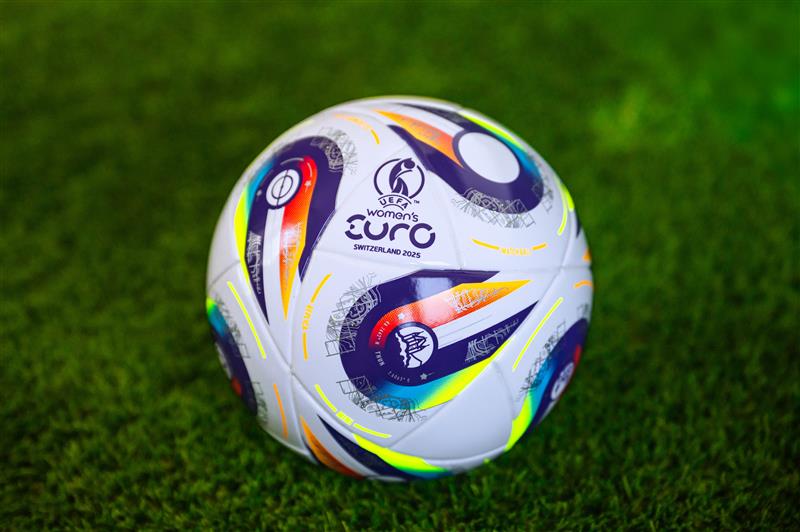
On Sunday 27 July 2025, England’s Lionesses retained their European crown in thrilling fashion, defeating Spain 3–1 on penalties after a tense 1–1 draw at St. Jakob‑Park in Basel. It was a performance defined by resilience, tactical adaptability, and mental steel.

But while England’s back-to-back UEFA Women’s Euro victories rightly dominate the headlines, an equally important story unfolds. The growing need to address sex-specific injury risks in female footballers, especially as the women’s game continues its rapid ascent.

England’s Comeback Queens

Despite trailing 0–1 at half-time, England mounted a spirited second-half comeback, sparked by substitute Chloe Kelly, who delivered the cross for Alessia Russo’s 57th‑minute equaliser. With no goals in extra time, the match moved to penalties, where Kelly once again became a national hero, burying the final spot-kick and sealing England’s first major title won abroad.

  • “They know how to win, they had proven it before, and that was all they needed to turn to in the toughest moments.” – BBC Sport

https://www.bbc.co.uk/sport/football

Statistically, the Lionesses defied the odds throughout Euro 2025: https://www.uefa.com/womenseuro/statistics/

  • Came from behind in all three knockout matches
  • Had 10 goal involvements from substitutes, a tournament record
  • Became the first team to win the final after trailing at half-time

But resilience often comes at a price. Particularly when it comes to the physical toll on players’ bodies.

The Injury Disparity Between Male and Female Footballers

One of the starkest issues in elite women’s football is the prevalence of non‑contact injuries, especially anterior cruciate ligament (ACL) tears. Women are estimated to be 6–8 times more likely than men to suffer ACL injuries in football due to anatomical, hormonal and biomechanical factors.

A 2021 study published in the British Journal of Sports Medicine observed that: https://bjsm.bmj.com/content/55/3/135

  • “Female athletes demonstrate altered landing mechanics, greater valgus knee angles, and hormonal fluctuations that increase ligament laxity, particularly during ovulation.”

And this isn’t just theory. Lucy Bronze reportedly played the entire tournament with a stress fracture, while multiple squads have quietly battled ongoing muscular and ligament injuries that disproportionately affect women at this elite level.

Why Women Need Tailored Sports Medicine

Despite progress, many training regimes remain based on male physiology. They often overlook the complexities of the female athlete’s endocrine system, injury profile and recovery curve.

Research, including the 2024 UEFA Women’s Health Report https://www.uefa.com/insideuefa/news/0278-15ea58b9fdd7-c84169b43d5e-1000–women-s-football-and-health-report-2024/, emphasises the urgent need to adapt everything from pre‑season screening and load management to menstrual‑cycle tracking and neuromuscular conditioning for ACL prevention. Yet only a minority of professional clubs have fully integrated female-specific health monitoring into their high-performance frameworks.

We believe this must change. At Opus we are proud to lead that transformation.

Regenerative Therapies and Prevention at Opus

To meet the needs of today’s elite female athletes, Opus offers a holistic blend of sports medicine and rehabilitation:

Service  Description
Sports Medicine Expert prevention, diagnosis and rehab tailored to musculoskeletal injuries and performance optimisation.
Regenerative Medicine Including allogeneic umbilical cord-derived mesenchymal stem cell therapy and platelet-rich plasma (PRP) injections, integrated with bespoke rehab programmes.
Reformer Pilates For core stability, neuromuscular control and injury prevention.
ACL Prevention Programmes Dedicated protocols to reduce ACL risk via targeted neuromuscular training.
Menstrual Cycle-Informed Training Protocols Tailored load management and timing based on hormonal cycles.

We treat athletes not just based on the injury, but on their unique physiological and hormonal context. This creates personalised pathways to longevity and peak performance.

Final Whistle: Lessons Beyond the Pitch

England’s Euro 2025 victory is a testament to elite preparation, adaptability and belief. But it also reminds us that women’s football is entering a new phase of professionalism. One that demands evolving our understanding of injury risk, prevention and care for female athletes.

As we celebrate the Lionesses’ glory, let’s also commit to building systems that keep women stronger, longer – on the pitch and beyond.

Want to Futureproof Your Athletic Health?

Whether you’re a professional athlete or striving for optimal performance, Opus offers the city’s most advanced destination for sports injury prevention and recovery. 

Whether you’re a professional athlete or striving for optimal performance, Opus offers the city’s most advanced destination for sports injury prevention and recovery. 

Book a consultation with Dr David Porter or our multi-disciplinary team today.

📍 Located in the heart of London
📞 Call us on [020 8609 7843]
Dr David Porter’s Perspective on Tennis Injuries at Wimbledon – and How to Stay on Court

Dr David Porter’s Perspective on Tennis Injuries at Wimbledon – and How to Stay on Court

I’m Dr David Porter, Sports & Exercise Medicine physician at Opus, and former first team doctor to Chelsea football club (https://www.chelseafc.com/en). Each June the lawns of the All England Club become the focal point of the tennis world at Wimbledon (https://www.wimbledon.com/index.html)​​, but for clinicians like me the tournament also highlights the epidemiology of overuse and acute injuries that recreational players will mirror on the municipal courts a week later. Below I outline the most common conditions I diagnose in tennis enthusiasts, the underlying biomechanics, and the integrated prevention‑and‑treatment strategies we employ at Opus.

Quick read: If you’re in pain now, book an assessment with our physiotherapy team via the Opus website or call  +44 20 8609 7843 – prompt diagnosis limits time off court.

The Physical Demands of Modern Tennis

The modern baseline‑dominated game generates peak rotational velocities exceeding 4,000°/s during the forehand¹, placing tremendous eccentric load on the wrist extensor‑supinator complex. Matches can last over three hours, requiring repeated accelerations and decelerations that stress every major joint.

Key reference data:

  • Serve speeds: up to 140 mph according to the International Tennis Federation (ITF).
  • Change‑of‑direction events: 600–1,000 per five‑set match (source: British Journal of Sports Medicine).
  • Annual incidence of injury: 2.3–3 injuries per 1,000 playing hours in amateurs per the Lawn Tennis Association(LTA).

Common Tennis Injuries and Conditions

Lateral epicondylitis (“Tennis Elbow”)

  • Pathophysiology: Degenerative tendinopathy of the extensor carpi radialis brevis.
  • Risk factors: Excess grip size, late‐contact backhands, and sudden string‑tension changes – see the NHS tendonitis guidance.
  • Presentation: Lateral elbow pain on resisted wrist extension, weak grip.
  • Treatment pathway:
    1. Relative rest & Load Modification (POLICE principle) – NICE CKS.
    2. Eccentric‑concentric exercise supervised by our physios.
    3. Shock‑wave therapy – systematic review in BJSM.
    4. Platelet‑Rich Plasma (PRP) or Mesenchymal Stem Cell (MSC) injections where refractory, following protocols described in Regenerative Medicine.

Shoulder Impingement & Rotator‑Cuff Tendinopathy

High‑velocity serves predispose to internal impingement, supraspinatus overload and posterior capsular tightness.

  • MRI evidence of humeral retroversion in players is detailed in The American Journal of Sports Medicine.
  • My algorithm emphasises scapular control drills and isoinertial rotator‑cuff loading, informed by Quatman et al. 2024.
  • For labral tears or partial cuff tears I liaise with our shoulder surgeon colleagues.

Lumbar Stress Injuries

Lumbar extension and axial rotation during the serve create shear forces up to 1.7 body‑weights².

Patellar & Quadriceps Tendinopathies

Jumping and deceleration provoke patellar tendon strain. Risk rises on grass due to low friction requiring deeper knee flexion.

  • Prevention: Nordic hamstring and single‑leg decline squat programmes (see Physio‑Pedia).
  • Therapies: Isolated heavy–slow‑resistance (HSR) loading, PRP, and in recalcitrant cases ultrasound‑guided MSC injection following the BrIT Therapy consensus.

Ankle Inversion Sprains

Grass surfaces increase slip‑risk. The majority are ATFL grade I–II.

  • Immediate care: POLICE with early weight‑bearing — as per NICE NG59.
  • Rehabilitation: Sensorimotor control work on the Pilates reformer’s unstable carriage, and late‑stage return‑to‑sport drills based on FIFA 11+.
  • Re‑injury reduction: Semi‑rigid ankle braces; meta‑analysis in Sports Medicine‑Open.

Hand Blisters & Calluses

Often dismissed, blisters can derail championships (cf. Agassi 1996). We use Dermabond adhesive and grip‑tapings from the ITF Medical Commission.

Heat‑Related Illness & Hydration‑Electrolyte Imbalance

Even in London, Centre Court’s micro‑climate can reach 30 °C. Follow the NCAA Heat Policy and the “3 Cs” I teach: Colour of urine, Change in body‑mass <2%, Consistency of intake (sipping not gulping).

Diagnostic Approach at Opus

  1. History & Biomechanical Screen 
  2. Point‑of‑care ultrasound for tendon and ligament evaluation
  3. MRI

Evidence‑Based Treatment Options

Modality

Evidence Level

Typical Indications

Notes

Physiotherapy (mechanotherapy)

1A (Cochrane 2025)

Most overuse injuries

Individualised loading programmes

Shockwave Therapy

1B

Chronic tendinopathy

Radial or focused waves

Corticosteroid Injection

1B but short‑term

Acute bursitis, impingement

Counsel about transient gain

PRP Injection

2B

Refractory epicondylitis

Double‑spin leukocyte‑poor

MSC Therapy

2C emerging

Partial cuff tears, tendinopathy >6 mo

Discuss ongoing trials (ClinicalTrials.gov)

Reformer Pilates

2B

Lumbo‑pelvic stability

Opus‑designed tennis‑specific protocol

Custom Orthoses

1C

Pes cavus with lateral ankle sprains

Casted in neutral subtalar

Levels according to the Oxford CEBM.

Prevention Strategies That Work

Dynamic Warm‑Up

Adopt “RAMP” (Raise–Activate–Mobilise–Potentiate) protocols (see UK Sport). Five minutes of skipping, leg swings, inchworms and resisted band external rotation reduces soft‑tissue injury by up to 30%.

Strength & Conditioning

I prescribe:

  • Eccentric wrist extensor loading — protocol from Stasinopoulos & Manias.
  • Rotator‑cuff HSR in 15° scapular plane abduction — guidelines at Physiopedia.
  • Eccentric–isometric patellar control (Dye’s quadrant approach).

Equipment Tuning

  • Grip Size: Spencer et al. showed 15% grip‑size error increases extensor torque by 25% (Journal of Hand Surgery).
  • String Tension & Gauge: Lower tensions (<55 lbs) reduce peak shoulder internal rotation moment by 6% (ITF Technical Centre).
  • Footwear: Anti‑torsion shank and grass‑court outsole patterns minimise inversion loads; research in Foot wear Science shows that a pronounced lateral‑edge flare can reduce peak eversion torque by 12 %. 

Footwork & Neuromuscular Agility

Efficient split‑steps and first‑step explosiveness are modifiable factors. Six weeks of ladder drills and reactive cone work improved time‑to‑stabilisation by 18 % in collegiate players in a randomised trial published in the Journal of Strength & Conditioning Research. We super‑set these with Pilates jump‑board intervals to integrate proximal hip stability, referencing principles from Polestar Education.

Tailoring Your Game to the Court Surface

Surface

Mechanical Demand

Injury Bias

Practical Tip

Grass (Wimbledon)

Low friction, low coefficient of restitution

Ankle inversion, knee extensor overload

Wider base during deceleration; use herring‑bone outsole pattern (ITF Surface Pace Ratings)

Clay

Higher friction, longer rallies

Adductor strains, lumbar rotation stress

Lunge conditioning and slide‑control drills; consult Rafa Nadal Academy methodology

Hard

High vertical GRF, predictable bounce

Patellofemoral pain, Achilles tendinopathy

Alternate insole densities; follow ACSM surface‑impact guidelines

Rotate footwear in line with the “Surface ⇄ Shoe ⇄ Load” model described by Silva et al. 2023.

Periodisation & Recovery – The Missing Set

“Most club players compete every week and train ad‑hoc – the opposite of what physiology dictates.”

Micro & Meso Cycles

  • Adopt a 3 : 1 load–deload ratio (three progressive weeks, one consolidation) as endorsed by the UK Strength & Conditioning Association.
  • Use session‑RPE × duration to monitor weekly Acute–Chronic Workload Ratio (ACWR); keep it 0.8‑1.3 (see Gabbett 2020).

Recovery Pillars

  1. Sleep: ≥7 h; use wearable metrics from WHOOP.
  2. Nutrition: 1.6‑1.8 g protein·kg⁻¹·day⁻¹; consult British Dietetic Association.
  3. Active recovery: 20 min low‑intensity cycling enhances venous return (study in European Journal of Applied Physiology.
  4. Cold‑Water Immersion: 11‑15 °C for 12 min lowers DOMS by 16 % — meta‑analysis in Sports Medicine.

Return‑to‑Play (RTP) Decision‑Making

A purely time‑based clearance is outdated. 

  1. Resolution of pain (VAS <1/10) and inflammation.
  2. Range of motion within 95 % of contralateral limb.
  3. Readiness testing — isokinetic strength deficit <10 % (via Biodex).
  4. Reactive agility equal to baseline on the Y‑Balance Test.
  5. Re‑integration — graduated match play under coach supervision.

We document objective criteria in the electronic medical record (EMR) and share it with the athlete’s coach and, when appropriate, with their LTA Accredited+ strength & conditioning professional.

Key Take‑Home Messages

  • Load management beats miracle cures. Every chronic tennis injury I treat began as a manageable ‘niggle’.
  • Technique tweaks ≈ tissue stress shifts.
  • Integrated care accelerates outcomes. 

Need help? 

Call +44 20 8609 7843 or

info@opusbiological.com

Same‑day appointments available.

Disclaimer

This blog post is for general educational purposes. It is not a substitute for personalised medical advice. If you have persistent pain or functional limitation, consult a qualified healthcare professional.

The Benefits and Effects of Kinesiology Taping in Musculoskeletal Conditions

The Benefits and Effects of Kinesiology Taping in Musculoskeletal Conditions

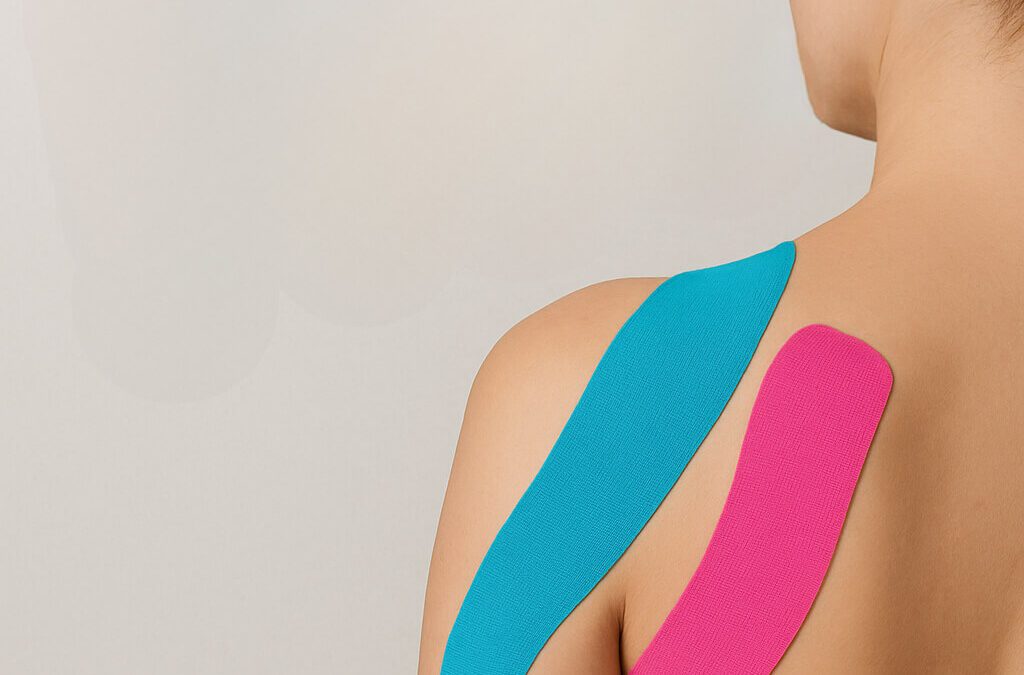
Kinesiology taping (KT), has gained popularity amongst healthcare professionals and athletes for its potential benefits in managing various musculoskeletal conditions. Colourful, stretchy adhesive tape is applied to the skin in various patterns to help support and stabilize muscles and joints but without restricting their range of motion. This article explores the scientific evidence surrounding the benefits and effects of kinesiology taping.

Pain Reduction

One of the primary benefits of kinesiology taping is its ability to help reduce pain in various musculoskeletal conditions. KT is thought to work by stimulating the sensory receptors in the skin, which can alter pain signals sent to the brain. This sensory feedback may decrease pain perception, offering relief to individuals suffering from conditions such as tendinopathies, sprains, and strains.

Research in the Journal of Orthopaedic & Sports Physical Therapy (2013) found that KT was beneficial in reducing pain and improving functionality in individuals with conditions like patellofemoral pain syndrome and rotator cuff injuries.

Mostafavifar et al 2015 was a systematic review that reviewed 6 suitable studies. Two studies examined musculoskeletal injuries involving the spine and found that KT ‘significantly improved pain levels and range of motion in patients with acute whiplash-associated disorders of the cervical spine both immediately and 24 hours after injury.’

Two studies examined injuries in the shoulder and whilst the first didn’t find sufficient evidence to indicate that KT decreases pain in young patients with shoulder impingement, the second suggested that KT may provide short-term pain relief for patients with shoulder impingement.

Enhanced Muscle Function and Performance

Kinesiology taping may help improve muscle function, especially in cases of muscle weakness or overuse. The tape is believed to provide proprioceptive feedback to the nervous system, potentially enhancing the body’s awareness of muscle activity and improving coordination.

An RCT study by Zhang et al 2015 based on tennis players reported that KT taping may not be able to modulate strength production but it ‘does have a significant positive effect on reducing muscle fatigue during repeated concentric muscle actions’. They also commented on how the potential beneficial effects of placebo taping on muscle endurance should not be ignored. By improving biomechanics, faster recovery may be facilitated and further injury prevented.

Joint Support and Stability

KT is commonly used to provide support to joints without restricting their full range of motion. The tape works by lifting the skin slightly, creating more space between the skin and underlying tissues. This mechanical lifting action can help reduce swelling and promote circulation, providing joint support and reducing the strain on injured tissues.

For a joint like the shoulder or ankle that has a wide range of movement, the tape’s ability to support and stabilize the joint, whilst still allowing for natural movement, can really help rehabilitation, proprioception and patient confidence.

Reduction of Swelling and oedema

Kinesiology taping is effective in reducing oedema (swelling) in injured areas. As mentioned above, by lifting the skin, KT can help promote improved blood flow and lymphatic drainage, helping to reduce fluid buildup. This is particularly beneficial in the early stages of rehabilitation following an injury. A slightly different taping technique is used for this.

Postural Correction and Alignment

Kinesiology taping is sometimes used as an adjunct to improve postural alignment, particularly in individuals with musculoskeletal imbalances. By strategically placing the tape on areas such as the back, neck, or shoulders, it is believed that the tape can help encourage proper posture and alignment, reducing strain on muscles and joints.

Conclusion

Kinesiology taping is a versatile tool in the management of musculoskeletal conditions, offering benefits ranging from pain relief, improved muscle function and joint stability and movement facilitation. Although more research is needed to fully understand its mechanisms of action, current evidence supports the efficacy of KT in treating a variety of musculoskeletal injuries and conditions, such as sprains, strains, tendinopathies, and chronic pain disorders. It can be very patient specific too.

Physiotherapists, chiropractors, and athletic trainers, continue to integrate kinesiology taping into their treatment protocols to support rehabilitation and enhance recovery outcomes.

Reference List


  • Lins, C.A., Souza, A.R., & Gomes, P.R. (2012). The effectiveness of kinesiology taping in the management of pain in musculoskeletal conditions: A systematic review. Journal of Physiotherapy, 58(4), 220-228.
  • Kase, K., Wallis, J., & Kase, T. (2013). Kinesiology Taping Perfect Manual. Kenzo Kase’s Kinesiology Taping Association.
  • Araujo, E.M., & Lima, M.A. (2014). Kinesiology taping for the treatment of musculoskeletal injuries. Journal of Sport Rehabilitation, 23(3), 163-175.
  • Williams, S., & Klavuhn, S. (2015). Kinesiology tape for muscle strength and endurance. Journal of Strength and Conditioning Research, 29(6), 1657-1665.
  • Kase, K., & Hashimoto, T. (2015). The effect of kinesiology taping on joint stability and muscle performance. Sports Medicine, 45(3), 211-220.
  • Mehran Mostafavir, Jess Wertz, James Borchers (2015) Systematic Review of the Effectiveness of Kinesio Taping for Musculoskeletal Injury, clinical focus Pain management Pgs 33-40
  • Shen Zhang, Weijie Fu, Jiahao Pan, Lin Wang , Rui Xia , Yu Liu (2016): Acute effects of Kinesio taping on muscle strength and fatigue in the forearm of tennis players; J Sci Med Sport 459-64

Western Acupuncture and Dry Needling in the management of Musculoskeletal Conditions

Western Acupuncture and Dry Needling in the management of Musculoskeletal Conditions

Musculoskeletal (MSK) conditions can significantly impact an individuals’ quality of life i.e. through chronic pain, injury, muscle spasm or tightness. These MSK conditions in turn can then have a significant impact on mental health through anxiety and depression. Depression is four times more prevalent in people who suffer from persistent pain compared to those without (Gov.uk)

A recent analysis of Global Burden of Disease (GBD) 2019 data showed that approximately 1.71 billion people globally live with musculoskeletal conditions, including low back pain, neck pain, fractures, other injuries, osteoarthritis, amputation and rheumatoid arthritis (WHO). This will undoubtedly have  a huge impact on mobility, well-being, work attendance and therefore retirement age as well as people’s ability to participate in society.

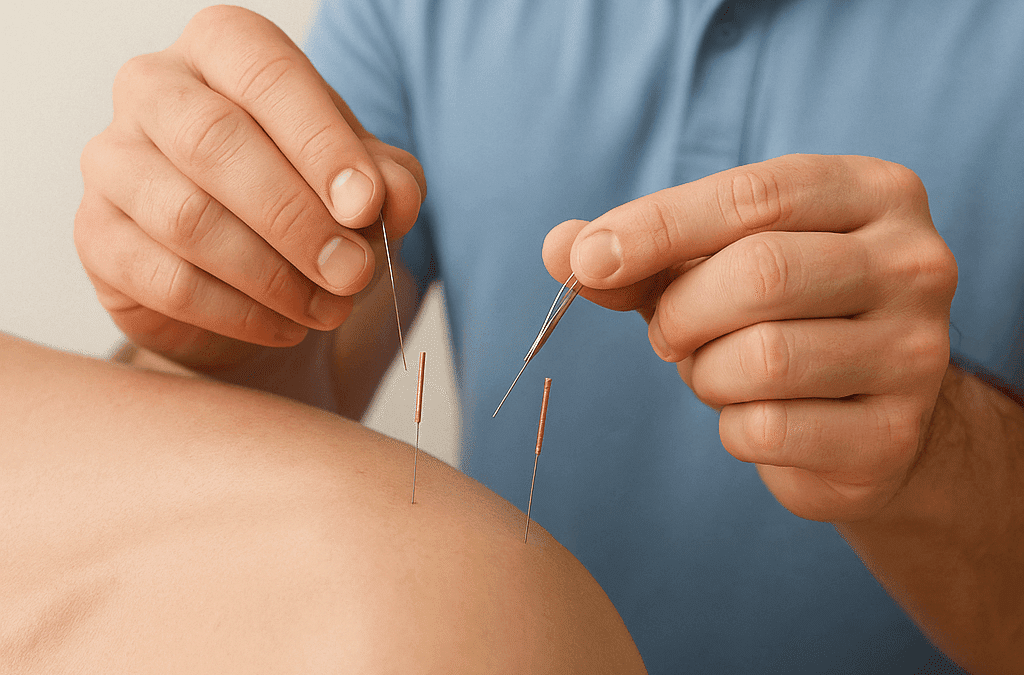
Western acupuncture is based on modern anatomical and physiological principles rather than those used in traditional Chinese Acupuncture. Single-use, sterile needles are used to stimulate specific points on the body to help alleviate pain and enhance function. Dry needling uses a similar concept and the same needles, but targets myofascial trigger points in order to help relieve tension. Chinese acupuncture which was first documented in China over 3000 years ago is thought to balance the flow of qi (energy) throughout your body, through the release of endorphins (Kirchhof-Glazier D 2014). Both Dry needling and acupuncture help to produce an inflammatory reaction, stimulating your body’s natural ability to heal (BMJ 2009).

Recent studies have provided substantial evidence demonstrating the effectiveness of Western acupuncture and dry needling in managing MSK conditions. A systematic review by Tough et al. (2021) indicates that both therapies significantly reduce pain and improve function in various musculoskeletal disorders. Their findings revealed notable reductions in pain intensity and enhancements in mobility following treatment (Tough et al., 2021).

In a randomized controlled trial, Cummings et al. (2022) examined the effects of dry needling on chronic shoulder pain. The results indicated that participants who received dry needling experienced a significant decrease in pain levels and improved shoulder function compared to a control group not receiving treatment.

The mechanisms underlying the effectiveness of both western acupuncture and dry needling involve the stimulation of the nervous system, which promotes the release of endorphins and other neurotransmitters helping to mitigate pain. This neurophysiological response not only alleviates immediate discomfort but may also facilitate long-term healing through enhanced blood flow to affected areas (Dyer et al., 2023).

Additionally, acupuncture and dry needling can induce muscle relaxation and restore proper movement patterns. This is particularly beneficial for conditions such as myofascial pain syndrome, characterized by tight muscles and trigger points. A study by Lee et al. (2020) demonstrated that patients undergoing dry needling exhibited significantly reduced muscle stiffness and improved range of motion, leading to an enhanced overall quality of life (Lee et al., 2020).

The safety of Western acupuncture and dry needling is another significant advantage. When administered by trained professionals, the risks associated with these treatments are minimal, making them suitable for a wide range of patients. A review by Johnson et al. (2022) reported that adverse effects are generally mild, such as temporary soreness or bruising at the needle sites, with serious complications being rare. It is also reported that  when combined with physiotherapy, chiropractic care, or other modalities, overall treatment outcomes for MSK conditions can be enhanced (Johnson et al., 2022).

In conclusion, Western acupuncture and dry needling present promising benefits for the management of musculoskeletal conditions. With a growing body of evidence supporting their effectiveness and safety, these therapies can be valuable additions to treatment options.

Reference List


  • Cummings, T. M., et al. (2022). “Efficacy of dry needling in the management of chronic shoulder pain: A randomized controlled trial.” Journal of Musculoskeletal Pain, 30(2), 89-96.
  • Dyer, D. L., et al. (2023). “The neurophysiological mechanisms of acupuncture: A review of the evidence.” Acupuncture in Medicine, 41(1), 15-22.
  • Johnson, C. D., et al. (2022). “Safety and efficacy of acupuncture and dry needling in the treatment of musculoskeletal disorders: A systematic review.” Physical Therapy Reviews, 27(4), 230-240.
  • Lee, J. H., et al. (2020). “Effects of dry needling on muscle stiffness and range of motion: A systematic review.” Journal of Bodywork and Movement Therapies, 24(4), 328-335.
  • Tough, E. A., et al. (2021). “The efficacy of acupuncture for musculoskeletal pain: A systematic review and meta-analysis.” European Journal of Pain, 25(7), 1345-1359.