opusbiological, Author at opusbiological.com - Page 11 of 12
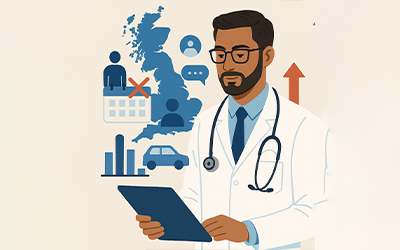
Improving Access to Primary Care Physicians in the UK: Challenges and Solutions

Improving Access to Primary Care Physicians in the UK: Challenges and Solutions

Primary care physicians play a crucial role in ensuring that people have access to basic healthcare services. In the UK, primary care physicians are typically general practitioners (GPs) who provide medical services to patients in the community. However, access to primary care physicians in the UK is not uniform, and many people struggle to access basic healthcare services due to various barriers.

According to a report by the King’s Fund, there are significant variations in access to primary care physicians across the UK. In some areas, patients can easily access a GP, while in others, there are long waiting times, and patients struggle to get an appointment. The report identified several factors that contribute to the variation in access, including population density, demographics, and workforce availability.

One significant challenge facing primary care physicians in the UK is a shortage of GPs. According to the Royal College of General Practitioners, there is a severe shortage of GPs, and the number of full-time equivalent GPs per 100,000 people has been declining since 2014. This shortage makes it difficult for patients to access primary care services, and it also puts a strain on existing GPs, who are often overworked and unable to provide the necessary level of care.

Another issue is the difficulty patients face in getting an appointment with a GP. Many practices have long waiting times, and some patients have reported having to wait weeks or even months to see a GP. This can lead to patients delaying seeking medical attention, which can exacerbate their condition and lead to more significant health problems.

Barriers to Access

There are several barriers to accessing primary care physicians in the UK, including:

Geographic location: Patients living in rural areas often have to travel long distances to access primary care services, as there are fewer GPs in these areas.

Socioeconomic factors: People living in deprived areas are less likely to access primary care services due to factors such as lack of transport, inability to take time off work, and language barriers.

Age and gender: Older people and women are more likely to access primary care services than younger people and men, who may delay seeking medical attention until their condition worsens.

Language barriers: Patients who do not speak English as their first language may struggle to communicate with GPs, leading to misdiagnosis and inappropriate treatment.

Solutions to Improve Access

Several solutions could improve access to primary care physicians in the UK, including:

Increasing the number of GPs: The government should invest in increasing the number of GPs and provide incentives for medical students to pursue general practice.

Using technology: GPs could use telemedicine and remote consultations to reduce waiting times and increase access to healthcare services.

Improving access for deprived communities: The government should invest in providing transport services and addressing language barriers to improve access for people living in deprived areas.

Increasing public awareness: The government should launch public awareness campaigns to encourage people to seek medical attention when they need it and educate them about the importance of primary care services.

The Role of Sports Medicine in Training and Recovery

The Role of Sports Medicine in Training and Recovery

Physical training can take a toll on an athlete’s body, often resulting in injuries and fatigue. However, with the right sports medicine strategies in place, athletes can maximise their training and recovery, ensuring that they perform at their best. In this article I discuss the importance of sports medicine in training and recovery and provide some tips for athletes to help them stay injury-free and achieve their goals.

Sports medicine encompasses a wide range of healthcare disciplines, including physiotherapy, nutrition, and biomechanics. The goal of sports medicine is to help athletes improve their performance, prevent injuries, and recover from injuries quickly.

One of the key aspects of sports medicine is injury prevention. Sports medicine professionals work with athletes to identify potential risk factors and develop strategies to mitigate them. This may involve improving biomechanics, ensuring proper nutrition, and developing personalised training plans.

Another important aspect of sports medicine is recovery. Athletes can experience a range of injuries, from minor strains to more severe sprains and fractures. Sports medicine professionals use a range of techniques, including physiotherapy, massage, and orthobiologics, to help athletes recover quickly and safely.

Maximising Training and Recovery with Sports Medicine:

Here are some tips for athletes to help them maximise their training and recovery with sports medicine:

  • Develop a personalised training plan: Work with a sports medicine professional to develop a training plan that is tailored to your needs and goals. This can help you train more efficiently and effectively, reducing your risk of injury.
  • Focus on proper nutrition: Nutrition plays a critical role in athletic performance and recovery. Ensure that you are getting the right balance of macronutrients (protein, carbohydrates, and fat) and micronutrients (vitamins and minerals) to support your training and recovery.
  • Use recovery techniques: Incorporate recovery techniques such as stretching, massage, and cold therapy into your routine to help your muscles recover more quickly and reduce the risk of injury.
  • Listen to your body: Pay attention to any warning signs that your body may be overtrained or at risk of injury. If you experience pain or discomfort, take a break and seek the advice of a sports medicine professional.

Sports medicine is a critical component of any athlete’s training and recovery strategy. By working with sports medicine professionals and incorporating the tips outlined above, athletes can reduce their risk of injury and perform at their best.

Reference List


The Role of Sports Medicine in Training and Recovery

Stem Cell Therapy: The Future of Sports Medicine

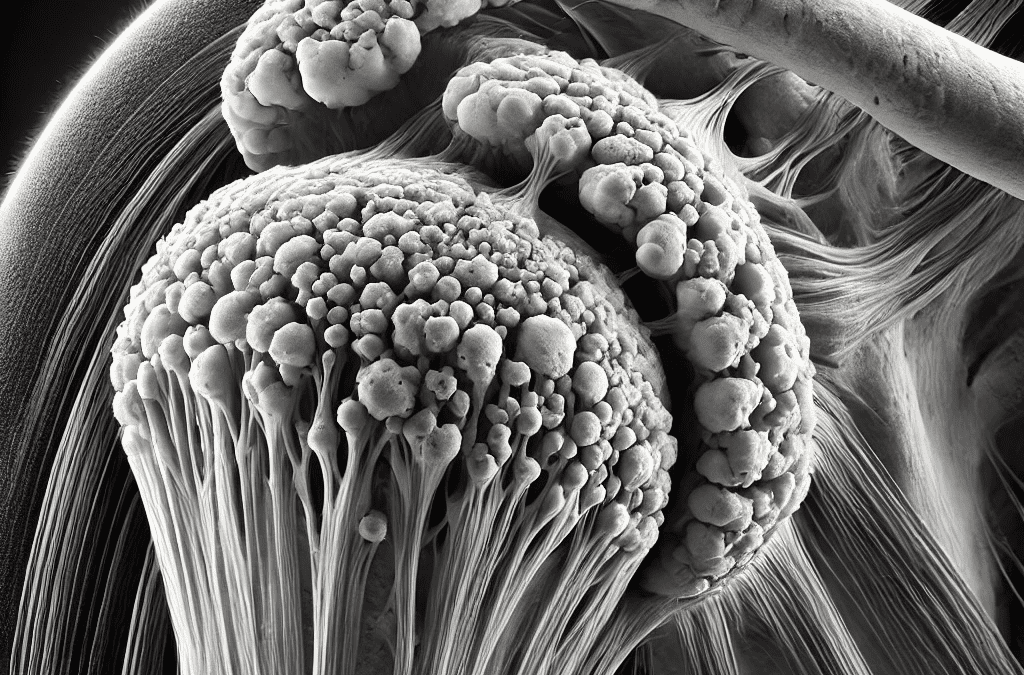
Stem cell therapy is a promising approach to sports medicine that involves the use of stem cells to repair and regenerate damaged tissue. It has the potential to be used to treat a wide range of sports injuries, including ligament and tendon tears, muscle injuries, and cartilage damage.

In addition to bone marrow and cord blood, another source of stem cells commonly used in treatment is fat tissue. However, it’s important to note that professional athletes tend to have very low levels of adipose tissue, which means that fat-derived stem cell treatment may not be a suitable option for them. Ultimately, the specific source of stem cells used will depend on several factors, including the type of injury being treated and the availability of cells.

While stem cell therapy is still in the early stages of development, there is a growing body of evidence suggesting that it may be a promising approach to sports medicine. In a review of the literature, researchers found that stem cell therapy may be effective for treating a variety of sports injuries, including tendinopathies, muscle injuries, and cartilage defects (Chen et al., 2018).

Stem cell therapy also has the potential to be used for injury prevention. By injecting stem cells into areas that are prone to injury, it may be possible to strengthen and stabilise the tissue, reducing the risk of injury.

This is a promising area of study that has the potential to revolutionise sports medicine. By providing a versatile and effective treatment option for sports injuries and potentially even injury prevention, stem cell therapy could change the way we approach sports injuries.

Reference List


  • Chen, J., Zhang, L., & Mao, J. (2018). The role of stem cells in sports medicine: A review of current literature. Stem Cells International, 2018, 9145736. https://doi.org/10.1155/2018/9145736

The Role of Sports Medicine in Training and Recovery

Sports Medicine: Your Key to Optimal Health and Performance

Opus Biological offers a range of services designed to help individuals optimise their health and performance. Whether you are an amateur athlete looking to improve your game or a professional seeking to take your performance to the next level, Opus Biological has the expertise and resources to ensure your success.

Physiotherapy is a healthcare profession that focuses on the assessment, treatment, and management of physical impairments, disabilities, and injuries. By using a variety of techniques; such as exercises, manual therapy, MSK acupuncture, pilates and strength and conditioning training, physiotherapists can help individuals regain mobility, strength, and function.

Physiotherapy can be used to address a range of issues, including reducing pain and inflammation, improving flexibility and range of motion, strengthening muscles, and improving coordination and balance. It can also be an important tool in the prevention and rehabilitation of sports injuries, helping individuals return to their sport or activity as quickly and as safely as possible.

We offer a range of other services designed to help athletes optimise their health and performance. These services include nutritional medicine, strength and conditioning programs, functional movement assessments, reformer pilates, podiatry, osteopathy, and injury rehabilitation programs.

Our team of highly trained and experienced professionals are dedicated to helping patients achieve their full potential. Whether you are looking to prevent injuries, recover from an injury, or simply improve your performance, we have the expertise and resources to help you succeed.

Reference List


The Role of Sports Medicine in Training and Recovery

Physiotherapy: An Essential Component of Sports Injury Rehabilitation

Sports injuries can be frustrating and debilitating, and it’s important to receive proper treatment to ensure a full and speedy recovery. One essential component of sports injury rehabilitation is physiotherapy.

Physiotherapy is a healthcare profession that focuses on the assessment, treatment, and management of physical impairments, disabilities, and injuries. It involves the use of various techniques and modalities to improve movement, reduce pain, and increase function.

In the context of sports injury rehabilitation, physiotherapy can be incredibly beneficial. Some of the benefits of physiotherapy in sports injury rehabilitation include:

  • Pain management: Physiotherapy can help reduce pain and discomfort associated with sports injuries, often through the use of techniques such as soft tissue massage, heat and cold therapy, and stretching.
  • Improving mobility: After a sports injury, it’s common to experience decreased mobility and range of motion. Physiotherapy can help restore and improve these functions through exercises and techniques designed to increase flexibility and strength.
  • Prevention of future injuries: By working with a physiotherapist, you can learn techniques and strategies to prevent future injuries, such as proper stretching and warm-up routines.
  • Returning to sports: Ultimately, the goal of sports injury rehabilitation is to get you back to your sport as soon as possible. A physiotherapist can help develop a personalised rehabilitation plan to ensure a safe and successful return to competition.

It’s important to note that physiotherapy is not a one-size-fits-all solution, and the specific treatment plan will depend on the individual and their specific injury. It’s important to work closely with a physiotherapist to ensure the best possible outcome.

Reference List