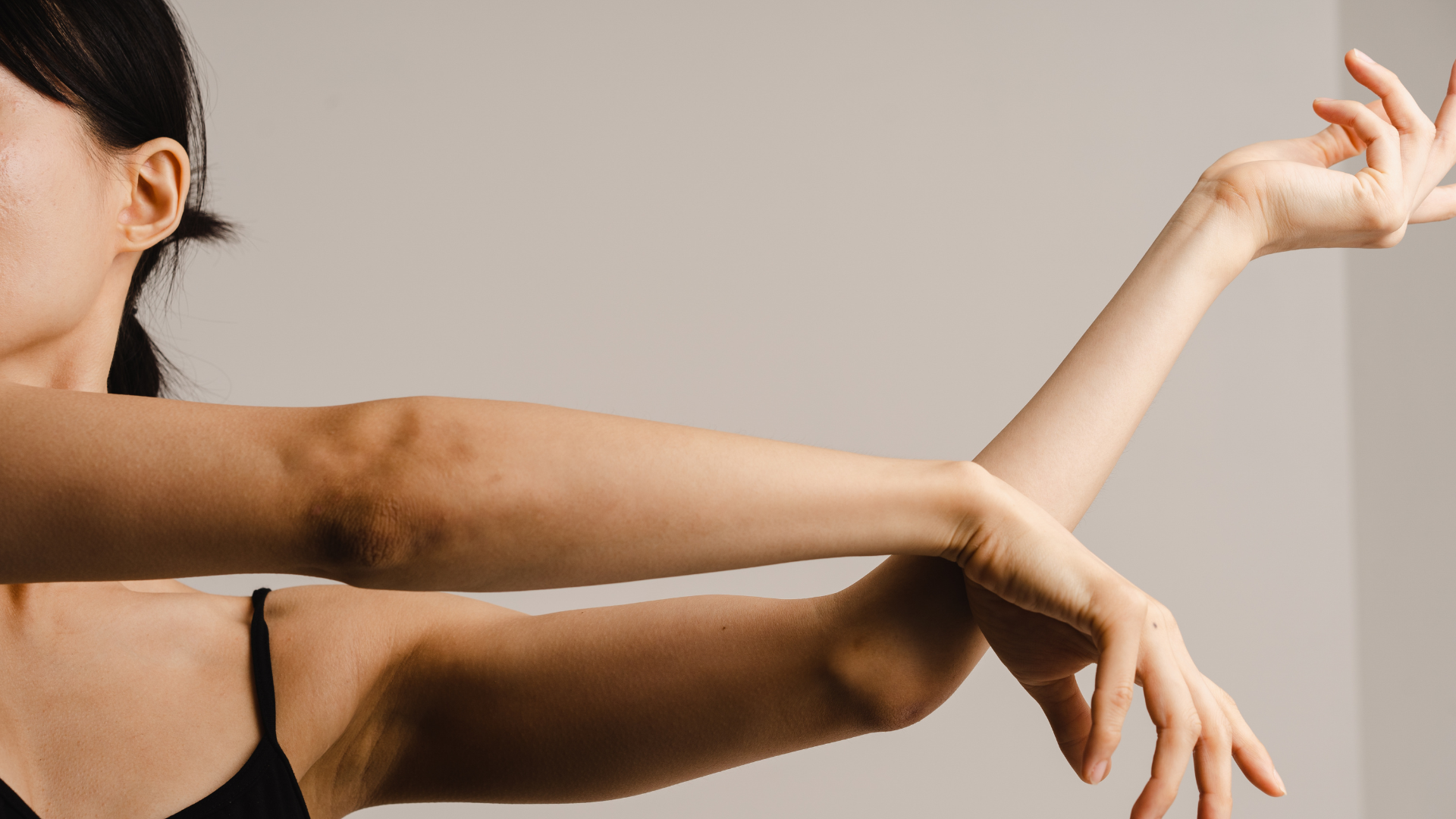
Pilates is a form of resistance training that focuses on improving muscular strength, mobility, posture retraining and balance. Pilates incorporates more of a dynamic approach to exercise and can be adapted using various equipment. The mind-body connection is the foundation of Pilates which promotes isolated muscle activation and joint mobility.
Pilates has been modified to be used as an adjunct to physiotherapy, especially to aid women’s health and chronic lower back pain (CLBP) due to its focus on transverse abdominus, multifidus, diaphragmatic breathing and lumbo-pelvic control (Wells et. Al 2014). Pilates also incorporates a holistic approach to strength training, which is achieved by mind-body connection and breathing. Focusing on a muscle, breath or movement helps to redirect thoughts away from stress and create a meditative practice (Memmedove,2015).
There are various types of Pilates equipment which include reformer, chair, cadillac and mat. The equipment enables the exercises to be modified to the patient’s needs; for example, the springs and ropes on the reformer can provide more stability compared to a mat based Pilates exercise. Luz Jr et. Al found that equipment based Pilates reduced patient specific disability and kinesiophobia (Luz Jr et. al,2014) and therefore aids recovery from injury.
Pilates exercises can be adapted for all age groups and can promote independence for elderly patients. The combination of strength and balance training enables an increase of activities of daily living (ADLs) and prevention of falls (Ferandez-Rodriguez et.al 2021). In addition to preventing injury, more recent studies have shown Pilates to lower the severity of temporomandibular dysfunction, fasting blood glucose and HbA1c level in type 2 diabetes in women (Parveen et. al 2023).
Pilates has been proven to progress both physiological and psychosocial aspects of patients’ well-being. However, there is evidence to suggest that there is no difference between Pilates and other forms of strength training in improving “dynamic strength, isometric strength, resistance strength, balance and flexibility” (Pinto et. Al 2022). It is crucial to understand that there is no optimum form of rehabilitation, and this highlights the importance of patient specific care.
Reference List
da Luz, M.A., Costa, L.O.P., Fuhro, F.F., Manzoni, A.C.T., Oliveira, N.T.B. and Cabral, C.M.N. (2014). Effectiveness of Mat Pilates or Equipment-Based Pilates Exercises in Patients With Chronic Nonspecific Low Back Pain: A Randomized Controlled Trial. Physical Therapy, 94(5), pp.623–631. doi:https://doi.org/10.2522/ptj.20130277.
Fernández-Rodríguez, R., Álvarez-Bueno, C., Ferri-Morales, A., Torres-Costoso, A., Pozuelo-Carrascosa, D.P. and Martínez-Vizcaíno, V. (2021). Pilates improves physical performance and decreases risk of falls in older adults: a systematic review and meta-analysis. Physiotherapy. doi:https://doi.org/10.1016/j.physio.2021.05.008.
Memmedova, K. (2015). Impact of Pilates on Anxiety Attention, Motivation, Cognitive function and Achievement of Students: Structural Modeling. Procedia – Social and Behavioral Sciences, 186, pp.544–548. doi:https://doi.org/10.1016/j.sbspro.2015.04.009.
Parveen, A., Kalra, S. and Jain, S. (2023). Effects of Pilates on health and well-being of women: a systematic review. Bulletin of Faculty of Physical Therapy volume , 28(1). doi:https://doi.org/10.1186/s43161-023-00128-9.
Pinto, J.R., Santos, C.S., Souza Soares, W.J., Silveira Ramos, A.P., Scoz, R.D., Teixeira de Júdice, A.F., Alves Ferreira, L.M., Baltazar Mendes, J.J. and Amorim, C.F. (2022). Is pilates better than other exercises at increasing muscle strength? A systematic review. Heliyon, [online] 8(11), p.e11564. doi:https://doi.org/10.1016/j.heliyon.2022.e11564.
Wells, C., Kolt, G.S., Marshall, P., Hill, B. and Bialocerkowski, A. (2014). The Effectiveness of Pilates Exercise in People with Chronic Low Back Pain: A Systematic Review. PLoS ONE, 9(7), p.e100402. doi:https://doi.org/10.1371/journal.pone.0100402.