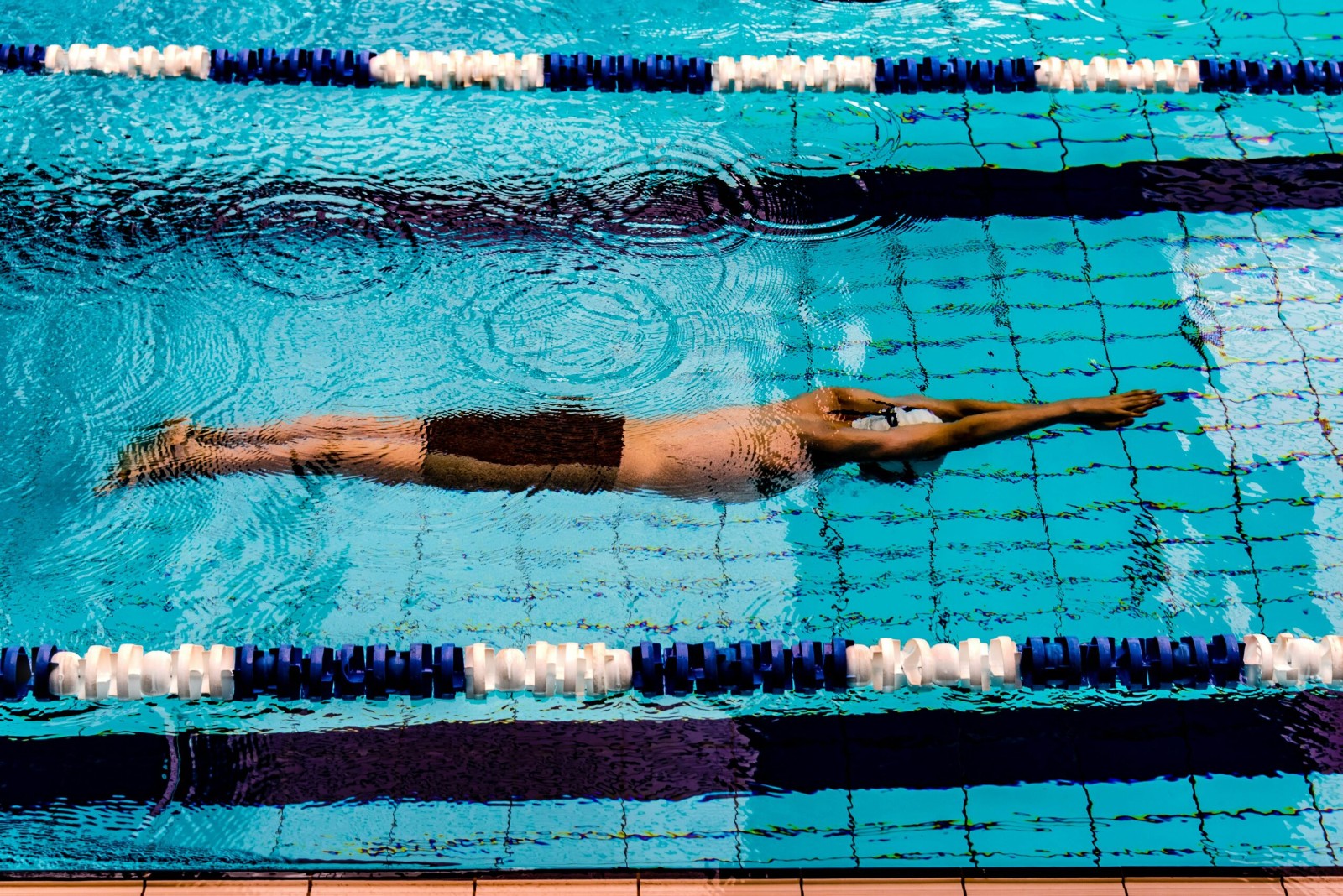
Hydrotherapy, or aquatic based therapy, is a treatment method I have personally used with patients ever since first becoming an MSK physiotherapist. From my first ever exposure to the method in my early NHS, Junior Physiotherapist role, to using a pool with elite athletes competing in a number of different sports in my more recent career, I very rarely find that the patient doesn’t leave the session with some form of positive gain.
Hydrotherapy is defined as the external or internal use of water in any of its forms (water, ice, steam) for health promotion or treatment of various diseases with various temperatures, pressure, duration, and site (Mooventhan and Nivethitha, 2014) (4). Like many good things, it has been used for 1000s of years to assist in the management of health conditions whether that be to aid movement or relieve pain. Today, we very much utilise the benefits of water to treat a variety of health conditions ranging from cardiovascular, to rheumatological, neurological and musculoskeletal injuries.
So what are the benefits of hydrotherapy? Well, to break it into pointers, these are the reasons as to why we can find benefit from hydrotherapy:
- Pain Relief
- Immersion in warm water can help reduce pain and inflammation in muscles and joints. The heat increases blood flow, which can ease discomfort and accelerate the healing process. The pressure exerted by water also helps to reduce swelling and improve circulation
- Muscle Relaxation and Recovery
- Warm water helps to relax tense muscles, reducing spasms and stiffness. It can also enhance muscle recovery after intense physical activity by promoting blood flow and reducing lactic acid buildup.
- Improved Circulation
- Warm water immersion helps dilate blood vessels, improving circulation throughout the body. This can aid in delivering oxygen and nutrients to tissues and removing waste products.
- Stress Reduction and Mental Health
- The soothing properties of water can help reduce stress and anxiety. The buoyancy and warmth create a relaxing environment that can promote mental calmness. This can have a direct positive correlation to improving a person’s ability to sleep due to the relaxed state they enter.
- Mobility
- The buoyancy of water reduces the load on joints, making it easier to move and perform exercises. Water provides a low-impact environment for exercise, reducing the risk of injury. This makes hydrotherapy an excellent option for rehabilitation after surgery or injury.
Reference List
- Buckthorpe, M., Pirotti, E. and Villa, F.D. (2019). BENEFITS AND USE OF AQUATIC THERAPY DURING REHABILITATION AFTER ACL RECONSTRUCTION -A CLINICAL COMMENTARY. International Journal of Sports Physical Therapy, [online] 14(6), pp.978–993. Available at: https://www.ncbi.nlm.nih.gov/pmc/articles/PMC6878863/.
- Carere, A. and Orr, R. (2016). The impact of hydrotherapy on a patient’s perceived well-being: a critical review of the literature. Physical Therapy Reviews, 21(2), pp.91–101. doi:https://doi.org/10.1080/10833196.2016.1228510.
- Cikes, A., Kadri, F. and Lädermann, A., 2021. Evaluation of Three Different Rehabilitation Protocols After Rotator Cuff Repair, and the Effectiveness of Water/Pool Therapy. A Randomized Control Study. Journal of Shoulder and Elbow Surgery, 30(7), p.e421.
- Mooventhan, A. and Nivethitha, L. (2014). Scientific evidence-based Effects of Hydrotherapy on Various Systems of the Body. North American Journal of Medical Sciences, [online] 6(5), p.199. doi:https://doi.org/10.4103/1947-2714.132935.