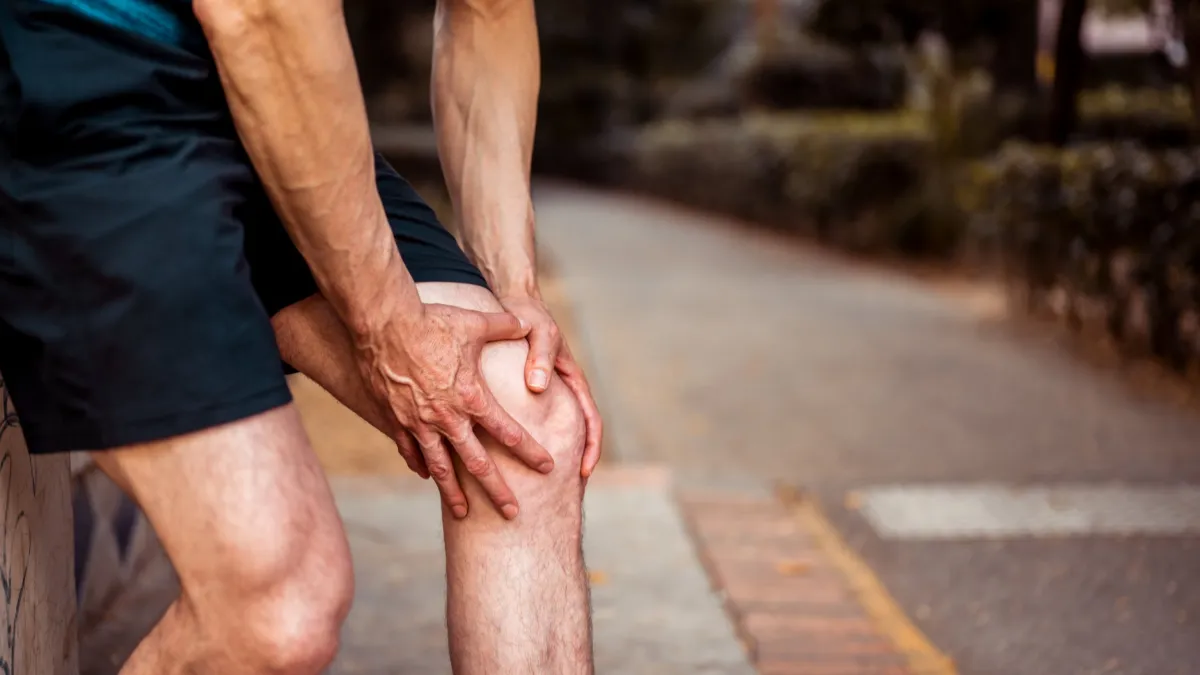
Sports injuries can be frustrating and debilitating, and it’s important to receive proper treatment to ensure a full and speedy recovery. One essential component of sports injury rehabilitation is physiotherapy.
Physiotherapy is a healthcare profession that focuses on the assessment, treatment, and management of physical impairments, disabilities, and injuries. It involves the use of various techniques and modalities to improve movement, reduce pain, and increase function.
In the context of sports injury rehabilitation, physiotherapy can be incredibly beneficial. Some of the benefits of physiotherapy in sports injury rehabilitation include:
- Pain management: Physiotherapy can help reduce pain and discomfort associated with sports injuries, often through the use of techniques such as soft tissue massage, heat and cold therapy, and stretching.
- Improving mobility: After a sports injury, it’s common to experience decreased mobility and range of motion. Physiotherapy can help restore and improve these functions through exercises and techniques designed to increase flexibility and strength.
- Prevention of future injuries: By working with a physiotherapist, you can learn techniques and strategies to prevent future injuries, such as proper stretching and warm-up routines.
- Returning to sports: Ultimately, the goal of sports injury rehabilitation is to get you back to your sport as soon as possible. A physiotherapist can help develop a personalised rehabilitation plan to ensure a safe and successful return to competition.
It’s important to note that physiotherapy is not a one-size-fits-all solution, and the specific treatment plan will depend on the individual and their specific injury. It’s important to work closely with a physiotherapist to ensure the best possible outcome.
Reference List
- “What is physiotherapy?” (n.d.). Chartered Society of Physiotherapy. Retrieved from https://www.csp.org.uk/public-patient/what-physiotherapy
- “Sports Injuries and Rehabilitation.” (n.d.). American Physical Therapy Association. Retrieved from https://www.apta.org/patient-care/sports-injuries-rehabilitation